Polishing & Blasting
Bead Blasting vs Shot Blasting: Texture and Profile Differences
Bead blasting creates a fine, uniform texture suitable for delicate parts and paint adhesion, while shot blasting yields a deeper, rougher profile for heavy corrosion
Oct 26, 2026 · 7 min read
Polishing & Blasting
How to Select Abrasive Media for Aluminum Surface Preparation
Selecting the correct aluminum abrasive media depends on the required surface profile, part geometry, and contamination risk. Using the wrong grit or density can scratch
Oct 8, 2026 · 7 min read
Polishing & Blasting
Cost and Lead Time for Laser Cleaning vs Mechanical Scraping
Laser cleaning cost depends on part size, material, and required surface finish. Mechanical scraping is usually cheaper for heavy buildup but slower per part. Lead time
Oct 5, 2026 · 6 min read
Polishing & Blasting
What Is Surface Profile? Why It Matters for Finishing
Surface profile is the measured pattern of peaks and valleys on a prepared metal surface. It directly affects coating adhesion because a smooth or uneven texture changes
Oct 5, 2026 · 12 min read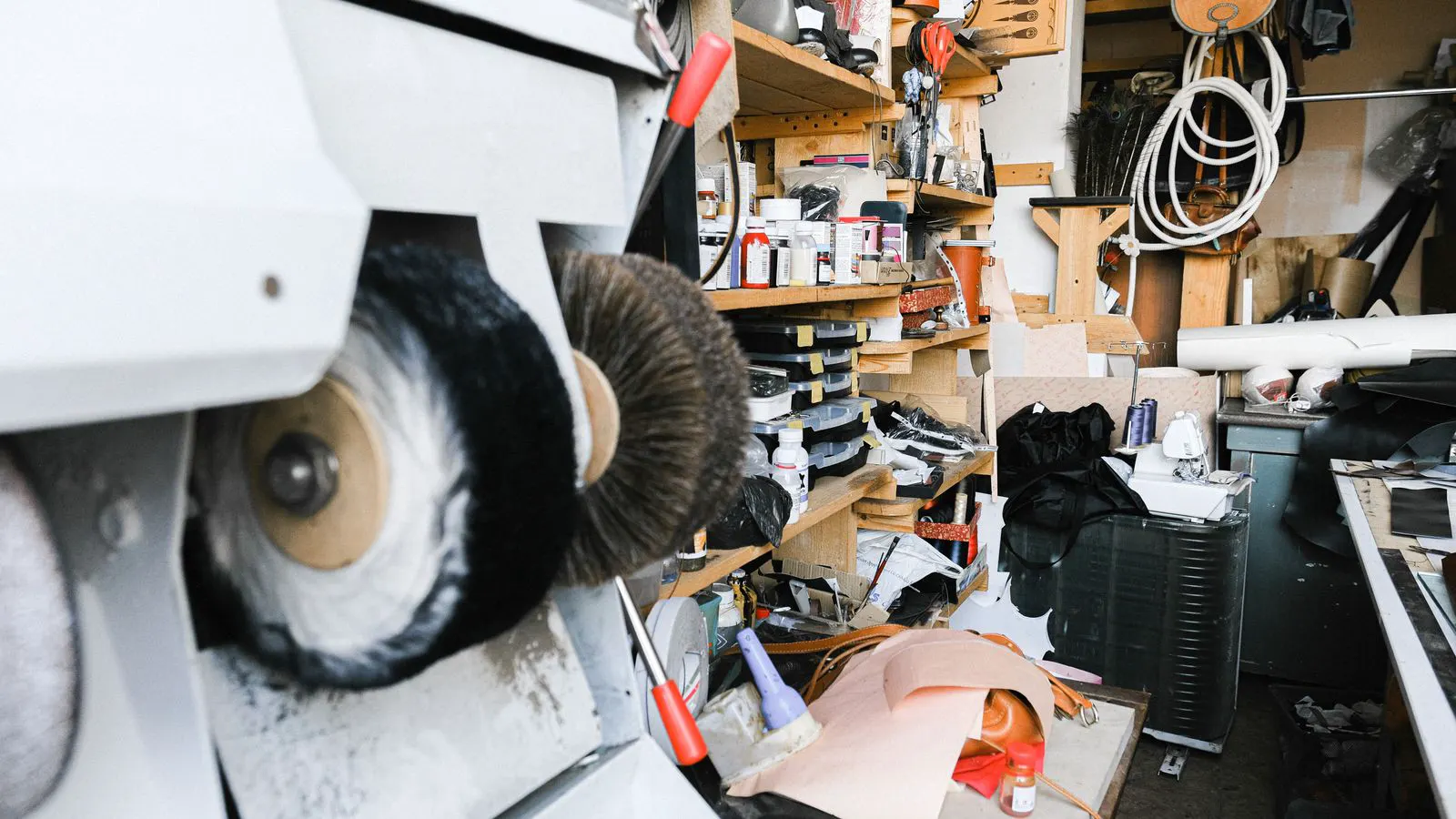
Polishing & Blasting
Metal Polishing Cost and Lead Time: What to Expect
Metal polishing cost depends on part complexity, material, and required finish. Lead times range from days for simple batches to weeks for precision work. A clear RFQ
Oct 5, 2026 · 11 min read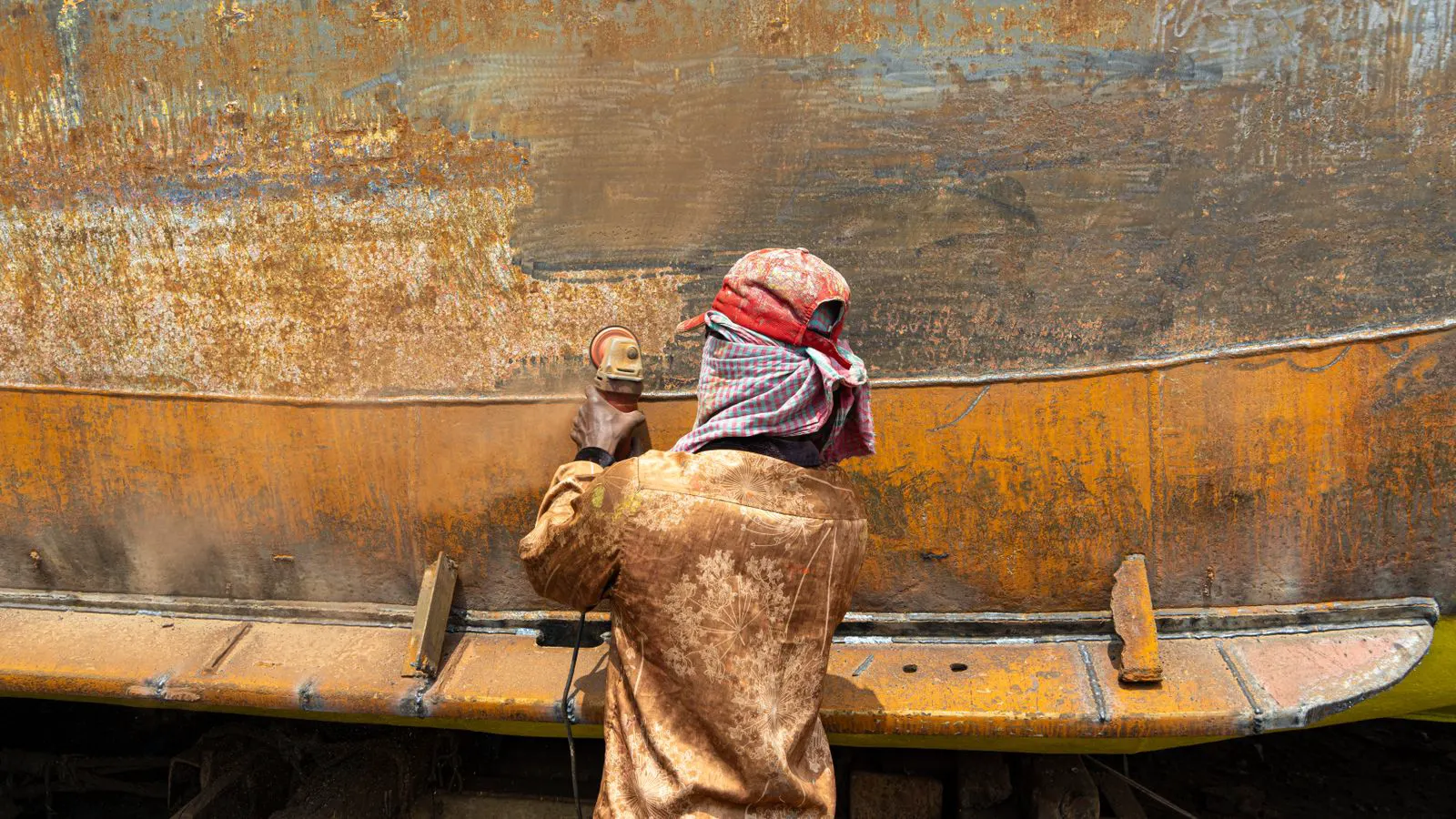
Polishing & Blasting
Sandblasting vs Bead Blasting: Which Is Best?
Sandblasting typically creates a rougher, more aggressive profile, while bead blasting yields a smoother, more uniform finish. The best choice depends on the required
Oct 5, 2026 · 10 min read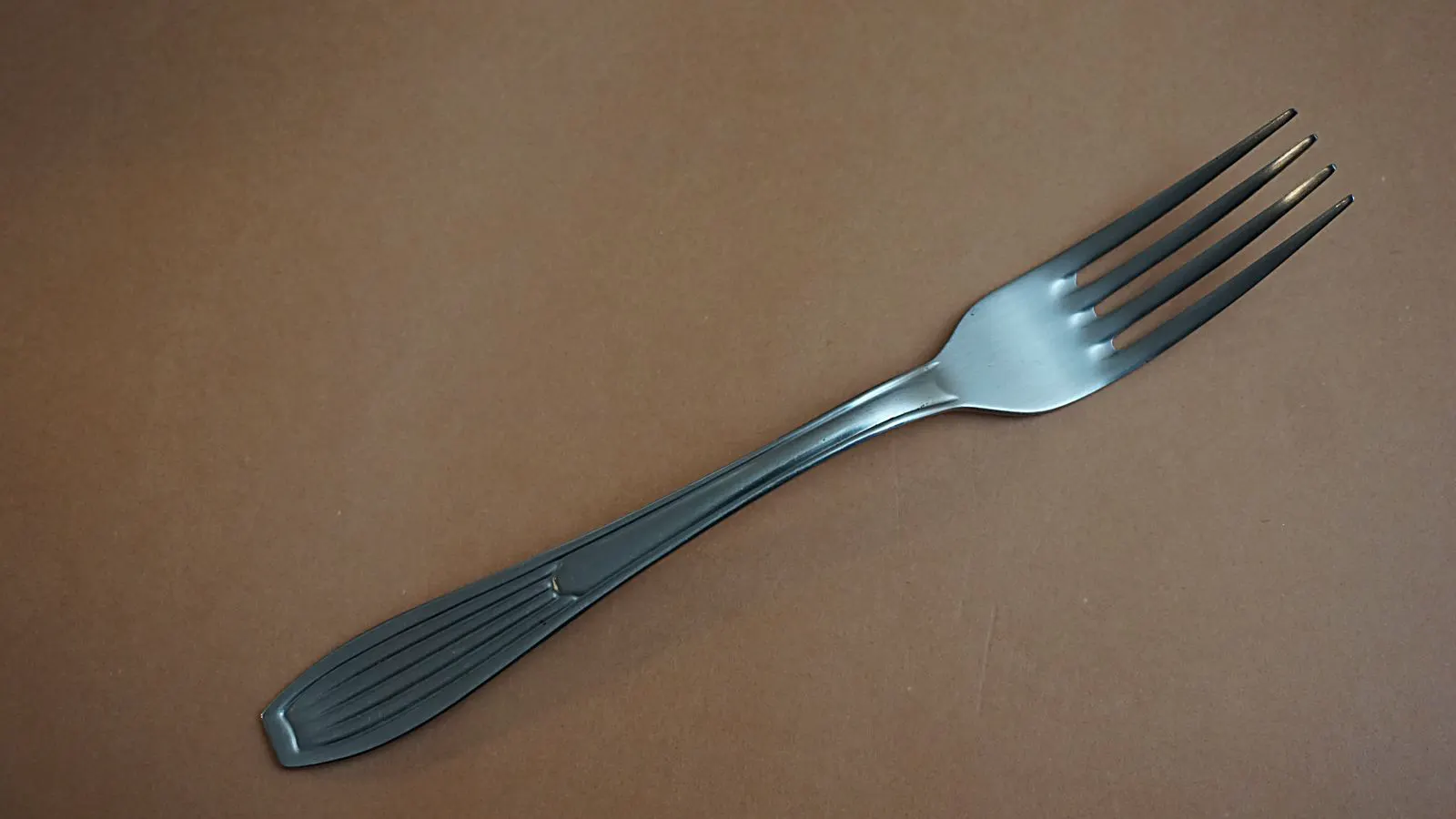
Polishing & Blasting
How to Prepare Stainless Steel for Bead Blasting
Proper stainless steel surface prep involves degreasing, mechanical cleaning, passivation, and final inspection. These steps remove oils, salts, and contaminants that
Oct 5, 2026 · 7 min read
Polishing & Blasting
Checklist: Verifying Blasting Media Purity for Parts
Confirm blast media purity by checking certificates, visual inspection, and lab testing. This audit checklist helps prevent surface contamination and protects metal
Oct 5, 2026 · 6 min read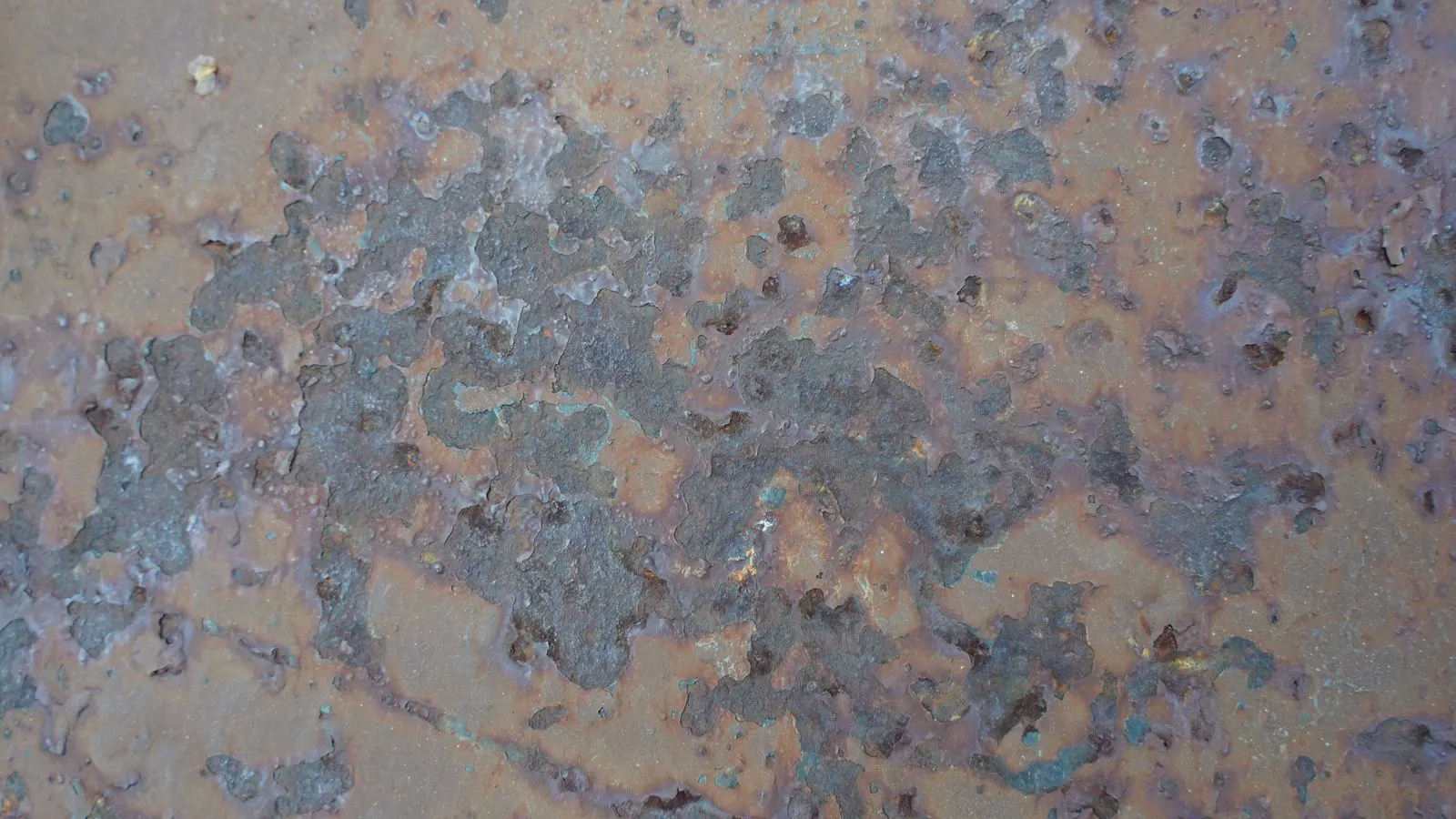
Polishing & Blasting
Fixing Rust After Sandblasting: Causes and Prevention
Post-blasting rust appears when freshly cleaned metal reacts with moisture, oxygen, or contamination. Fix it by removing the oxide layer, sealing the surface, and
Oct 4, 2026 · 8 min read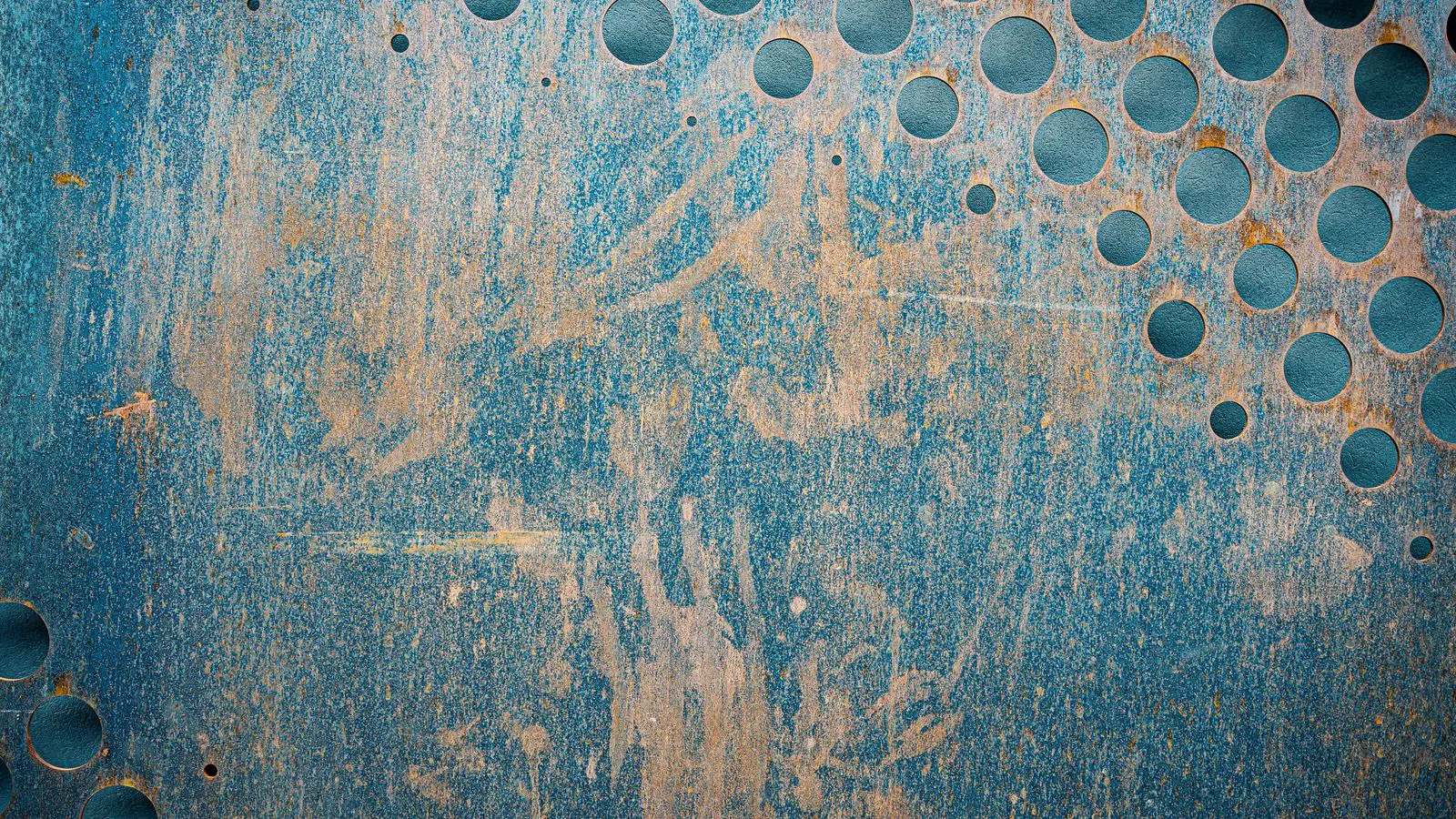
Polishing & Blasting
Troubleshooting Uneven Surface Profile After Sandblasting
Uneven sandblasting results usually stem from inconsistent distance, angle, media flow, or substrate prep. This guide lists common defects, their likely causes, and
Oct 4, 2026 · 8 min read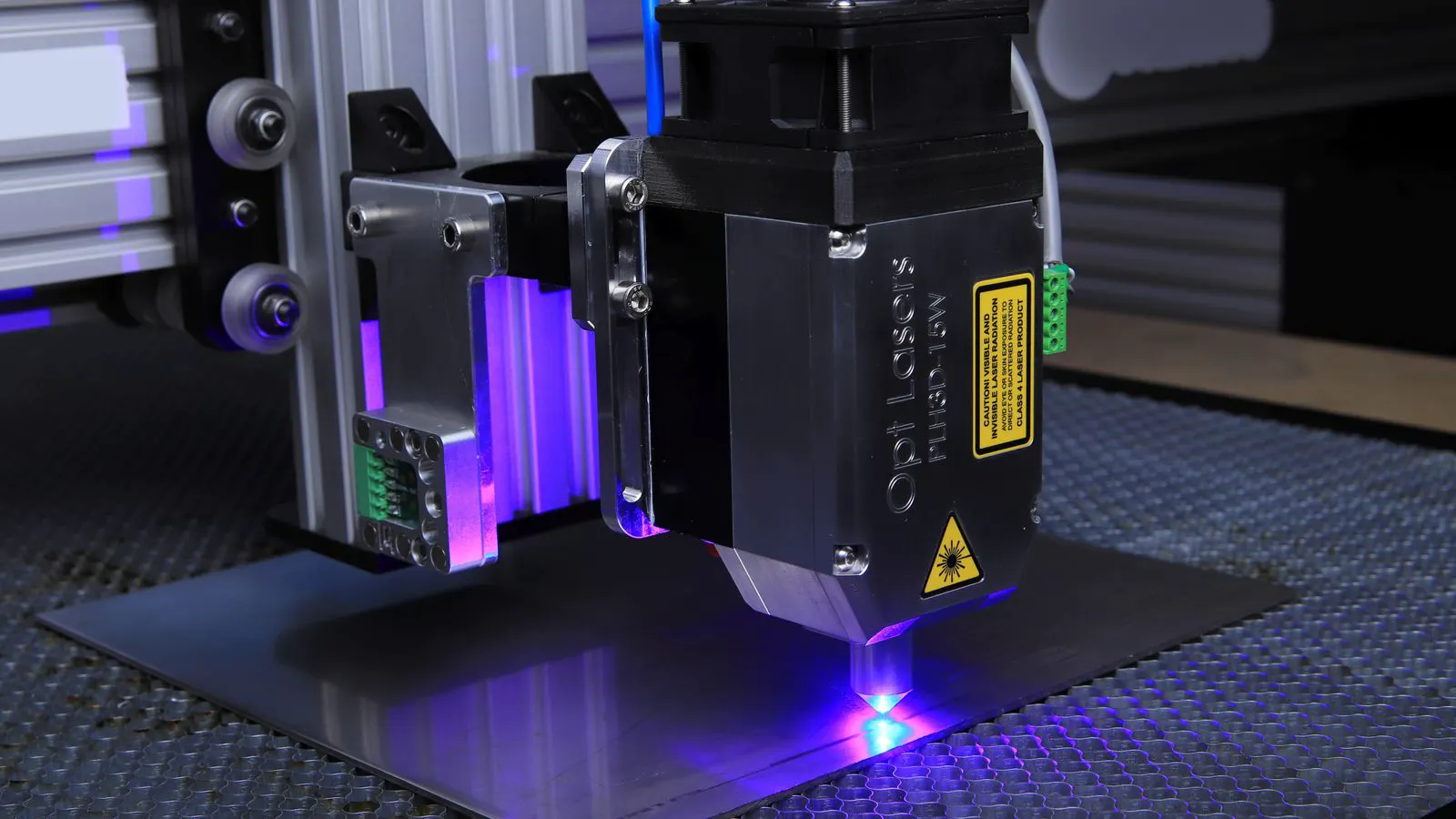
Polishing & Blasting
Future of Laser Polishing for Precision Components
Laser polishing is moving from a niche specialty toward a standard option for high-precision metal parts. It offers tighter control over surface texture, repeatable
Oct 4, 2026 · 7 min read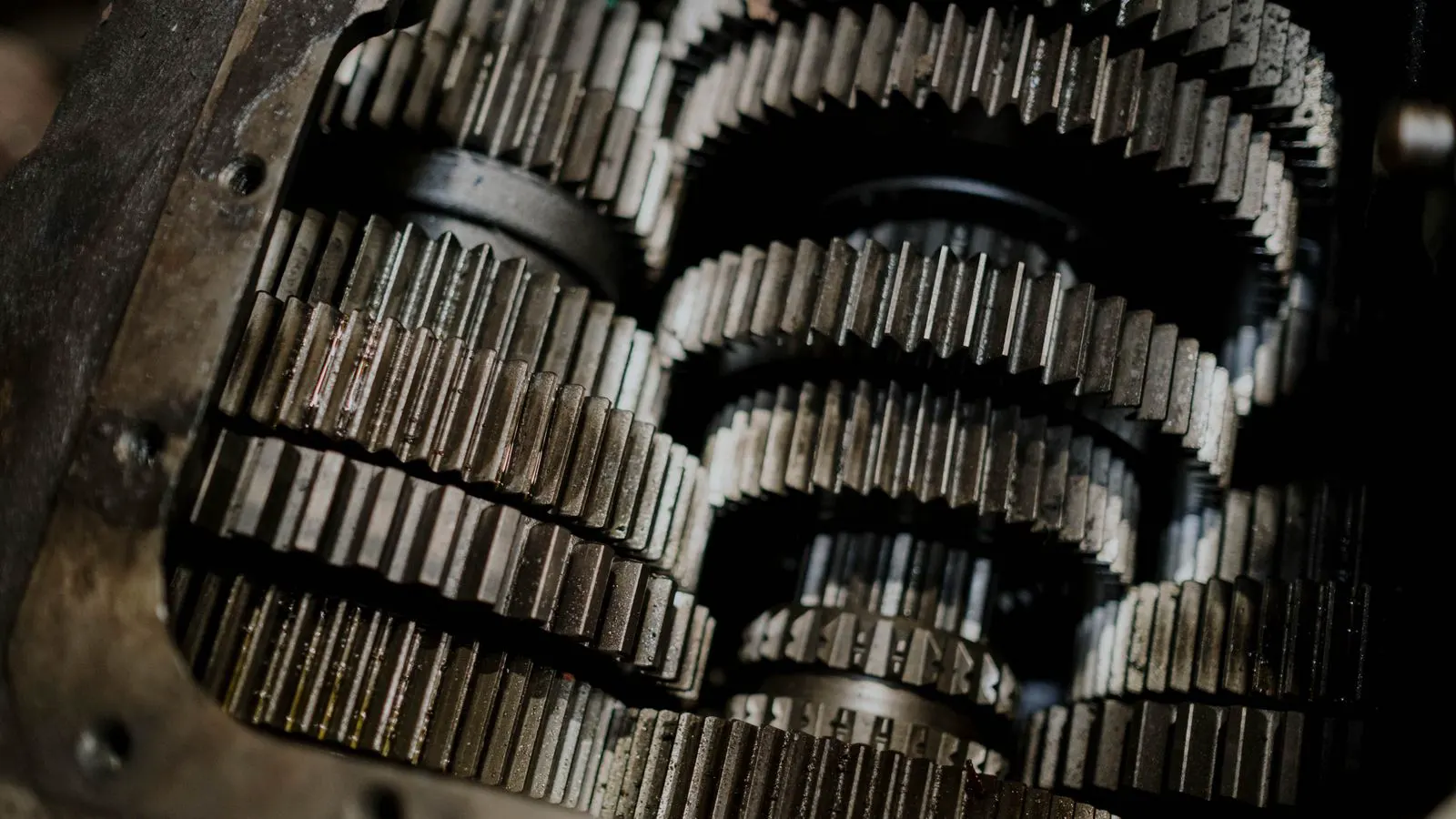
Polishing & Blasting
What Is Abrasive Blasting and How It Works
Abrasive blasting is a surface preparation method that uses high-velocity particles to clean, etch, or coat metal parts. This guide explains the mechanics, media
Oct 4, 2026 · 6 min read