Cost & Lead Time
Checklist: Pre-Shipment Inspection for Plated Parts
A pre-shipment inspection of plated parts requires checking visual appearance, thickness, adhesion, and documentation. This checklist helps buyers identify defects early
Clear answers for metal surface finishing buyers
Buyers and engineers use this site to understand what they are paying for. You will find plain explanations of anodizing, plating, powder coating, polishing, and corrosion protection. The content focuses on the details that affect cost, lead time, and long-term performance.
Each section covers the specific decisions that matter. You can compare finishing methods, review relevant standards, and understand the quality checks a supplier should provide. The goal is to give you the facts needed to write better specifications and ask better questions.
Start with the stage of the sourcing process you are in.
Learn how to select anodic and plating finishes for corrosion resistance, wear protection, and appearance in metal products.
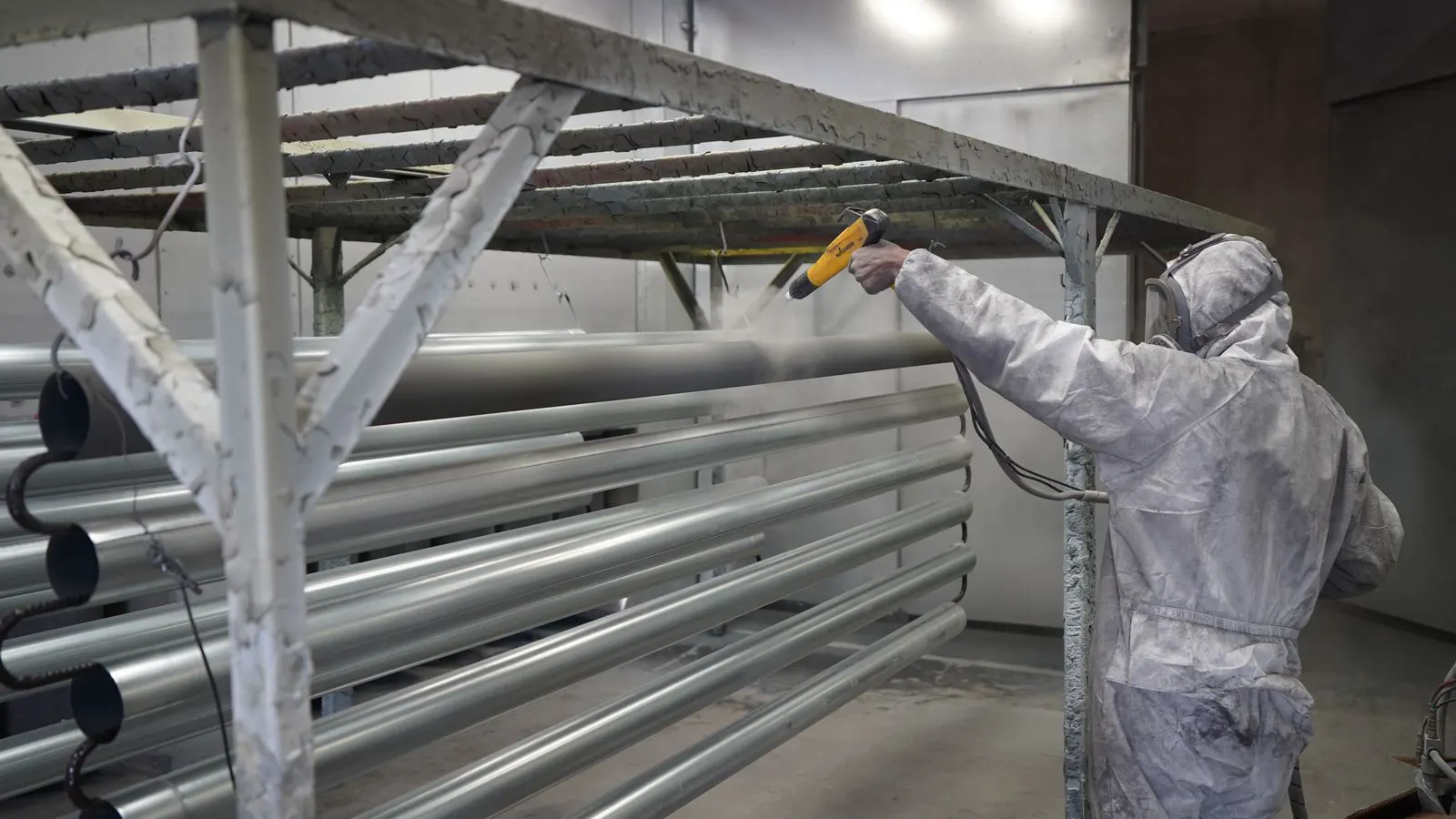
Explore powder coating and liquid painting options for durable, decorative finishes on steel, aluminum, and other substrates.
Compare polishing and blasting methods to improve surface texture, remove contaminants, and prepare parts for further finishing.
Understand passivation and corrosion control practices that protect metals in harsh environments and extend service life.
Review common surface finishing standards and testing methods to verify finish quality, adhesion, and compliance.
Get practical guidance on cost factors and lead times when planning surface finishing projects and supplier quotes.
Use this guide to evaluate finishing suppliers, ask the right questions, and select a reliable partner for your project.
A pre-shipment inspection of plated parts requires checking visual appearance, thickness, adhesion, and documentation. This checklist helps buyers identify defects early

Use a structured incoming inspection protocol to confirm passivation quality on imported stainless steel. Check for visual defects, record test results, review
Chemical etching is a liquid-based process that removes metal to create a specific surface finish. It offers precise control over texture and profile without mechanical
Cadmium plating offers stronger corrosion resistance and easier repair than zinc, but zinc plating is cheaper, more widely available, and easier to source. Choose based
Copper-free plating is becoming standard due to stricter plating regulations. This shift raises material costs but improves compliance. Buyers must plan for material
A cross-hatch adhesion test measures coating bond strength by scoring the surface and peeling off small squares. It is a fast, low-cost check, but it does not replace
Buyers need a third-party lab that follows international standards, controls environmental variables, and provides detailed failure reports. This guide explains how to
Selecting a reliable supplier for industrial liquid paint requires verifying technical data, testing protocols, and production capacity. This guide outlines the specific
Stricter environmental rules are forcing buyers to demand low-voc finishing. This article outlines six shifts in procurement, compliance, and supplier capability. It
Anodizing creates a hard oxide layer on aluminum, increasing its hardness and corrosion resistance. Plating coats a base metal with a thin layer of a different metal, such as nickel or chrome, for appearance or wear resistance.
State the minimum and maximum thickness in microns or mils. For example, a typical decorative powder coat might be 3 to 5 mils. Always reference the relevant industry standard for the specific coating type.
Common checks include salt spray testing for corrosion resistance, adhesion testing (like cross-hatch or pull-off), and thickness measurement. The right tests depend on the application and environment.
Lead time depends on the process, part geometry, quantity, and current supplier capacity. Complex parts or small batches often take longer. Always ask for a confirmed production schedule, not just a standard quote.
Passivation is a chemical process that removes free iron from stainless steel to form a more stable chromium oxide layer. It improves corrosion resistance and is standard for medical and food-grade parts.
Ask for samples of previously finished parts, request documentation of their quality control process, and verify their certifications. Check references from clients with similar applications.