Fixing Rust After Sandblasting: Causes and Prevention
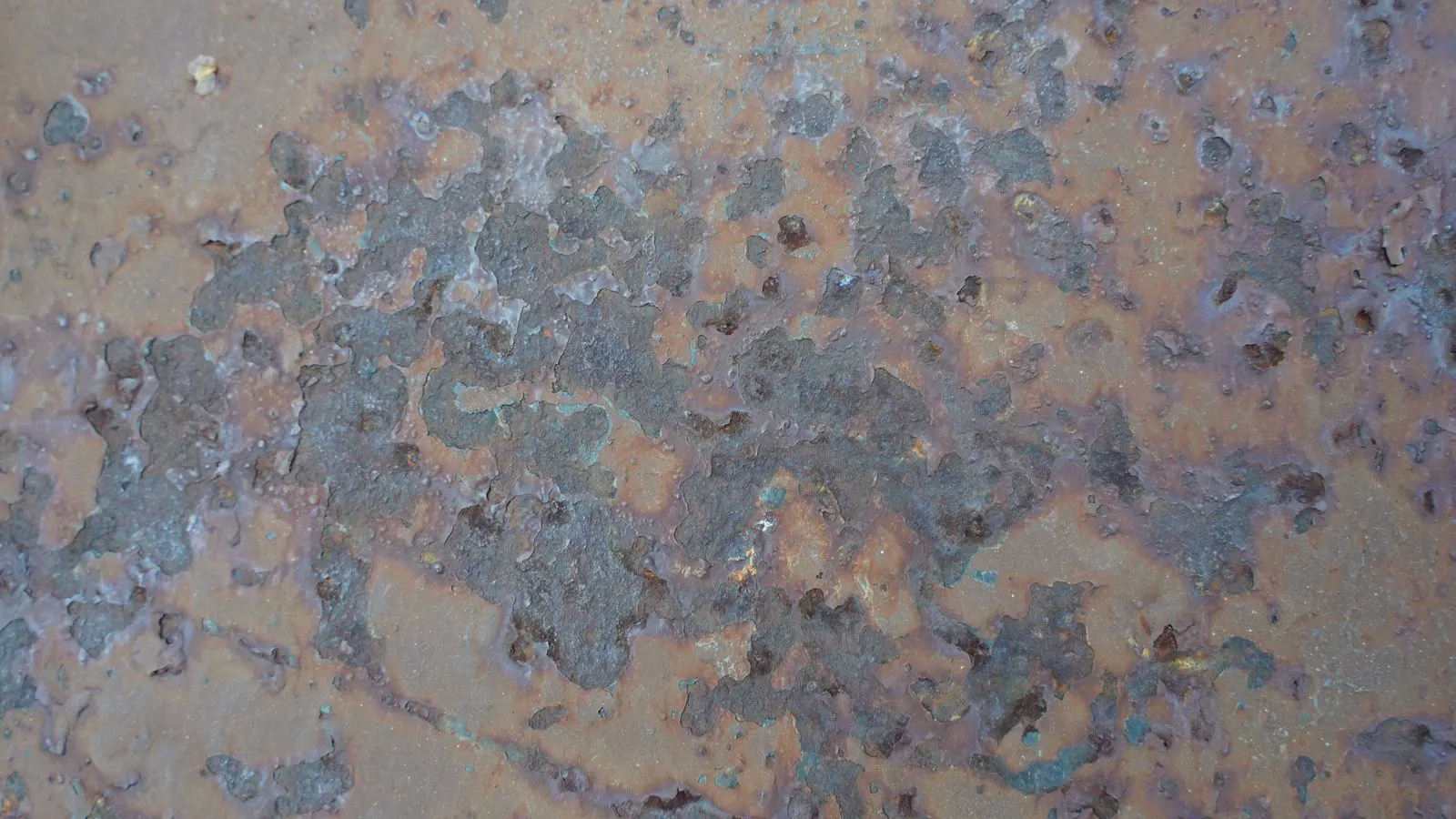
Post-blasting rust appears when freshly cleaned metal reacts with moisture, oxygen, or contamination. Fix it by removing the oxide layer, sealing the surface, and controlling the environment. Proper metal surface preparation and corrosion prevention stop the cycle.
- Freshly blasted metal is not passive. It begins reacting with the air almost immediately.
- Post-blasting rust is often a sign that the part moved or rested too long before treatment.
- Sealing or coating must follow cleaning within a defined time window.
- Contamination from gloves, tools, or dirty air can trigger rust faster than humidity alone.
- A quick rinse and seal can save a part that would otherwise need re-blasting.
Why rust returns after sandblasting
A metal part can look perfectly clean after abrasive blasting and still develop rust within hours. This happens because blasting removes the existing oxide layer and exposes fresh, reactive metal. That clean surface is also highly sensitive to moisture, oxygen, and salts. If the part sits on a wet bench, moves into a humid shop, or touches a rusty tool, the reaction starts fast.
For many buyers, this is a source of frustration. The blasting vendor delivers a part that passes visual inspection, but the customer receives it a few days later with orange stains on the surface. The problem is not always the blasting itself. In most cases, it is the time between cleaning and the next step. Metal surface preparation is only one stage in a longer chain. If the chain breaks, the metal loses its protection.
The term post-blasting rust refers to rust that forms after the part has been cleaned and is no longer in the blast cabinet. It is different from rust left behind by poor media selection or incomplete cleaning. Post-blasting rust usually shows up as fine patches, streaks, or a general haze. It can appear on carbon steel, low alloy steel, or even stainless steel that was not passivated.
What causes post-blasting rust to appear
The most common cause is simple exposure. Freshly blasted metal has no oxide barrier. It acts like a sponge for moisture. If humidity rises, or if the part is stored in an unheated area, condensation can form on the surface. That thin film of water is enough to start corrosion.
Contamination is the second major factor. Grease, skin oil, salt from coastal air, or dust from the shop floor can sit on the part. These materials hold moisture against the metal. They also block any temporary protective film that might form. A part that is clean but contaminated will rust faster than a dirty but dry part.
Third, the part may have been stored too long before coating or sealing. Many coatings require a tight time window. If the part sits for days, a light rust film can form. That film is harder to remove than the original clean surface. It can also trap moisture under a new coat, leading to blistering or early failure.
Finally, the blasting process itself can leave behind media fines or moisture. If the blast cabinet is not properly dried, or if the media is damp, the part leaves the cabinet with a film of water. This is a common issue in high production shops where media is reused without proper drying.
Troubleshooting table for post-blasting rust
Use the table below to match the symptom with the most likely cause. This helps you decide whether the problem is a storage issue, a contamination issue, or a process failure.
| Symptom | Likely cause | What to do |
|---|---|---|
| Fine orange speckles across the whole surface | Part sat in humid air for too long before coating | Move to a drier area, apply a rust converter, or lightly re-blast and seal immediately |
| Rust streaks along edges or low points | Moisture collected in corners during handling | Wipe dry, blast again, and apply a temporary corrosion inhibitor or wax |
| Rust only on areas touched by hands or tools | Skin oil or dirty gloves contaminated the surface | Clean with solvent, re-blast, and enforce clean handling protocols |
| Rust appears after part leaves the blast cabinet but before shipping | Part was not sealed or coated within the required time window | Coordinate with the coating vendor to shorten the transfer time or use a quick-dry sealant |
| Rust forms under a new paint coat | Light rust film was present when the coat was applied | Strip the coat, remove rust, re-blast, and re-coat. Check for condensation on the part before painting |
How to fix post-blasting rust on a part
If you find post-blasting rust on a part, do not just paint over it. The rust will continue to spread. The first step is to identify the extent of the problem. If the rust is only surface-level and the part is otherwise clean, you can often remove it with a light abrasive pass. For small parts, a fine grit blast or a mechanical pad can clean the affected areas. For larger parts, a full re-blast may be needed.
After removing the rust, you must seal the surface. The clean metal will react again if left open. A corrosion inhibitor, wax, or temporary sealant can buy you time. These products are not permanent coatings. They are bridges that allow the part to move to the next process without failing.
If the rust is severe, the part may need a chemical treatment. A rust converter can stop the reaction and turn the rust into a stable layer. This is not a long-term solution for structural or load-bearing parts. It is a practical fix for cosmetic or non-critical surfaces. For parts that must meet strict cleanliness or durability standards, re-blasting and recoating is the safer route.
Prevention tips for clean metal after blasting
The best way to avoid post-blasting rust is to shorten the time between cleaning and protection. This is the single most effective step. Coordinate your blasting and coating schedules so the part moves directly from the blast cabinet to the coating line. If that is not possible, store the part in a controlled environment with low humidity.
Use clean handling. Wear nitrile gloves when moving freshly blasted parts. Dirty hands leave oils that trap moisture. Use clean rags or paper, not cloth that has been used on oily parts. Store parts on clean racks, not on wet floors or rusty shelves.
Check your blast media. Damp media leaves water on the part. If you reuse blasting media, dry it properly before the next cycle. For shop owners, this often means investing in a media dryer or a better drying procedure. For buyers, ask your vendor how they manage media moisture.
Consider a temporary coating. A thin coat of wax or a fast-dry inhibitor can protect the part during transport and storage. This is especially useful if the part will sit for a day or two before the final coating. It is not a substitute for the final finish, but it prevents the rust cycle from starting.
How to inspect for post-blasting rust
You can often spot post-blasting rust with a simple visual check. Hold the part up to a bright light and look for orange or brown patches. Run a clean, dry finger over the surface. If you feel a rough or gritty texture, there may be a rust film present. For a more careful check, use a white cloth to wipe the surface. If the cloth turns orange, the rust is present.
For parts that have already been coated, inspect the edges and corners. Rust often starts at these points because they are harder to clean and coat evenly. If you see bubbling or lifting under the paint, the rust likely started before the coat was applied. This means the part needs to be stripped and re-prepared.
Keep records. If you are managing a production line, track when parts are blasted and when they are coated. If rust appears after a certain number of hours, you have a time limit. Use that data to adjust your workflow. If rust appears after shipping, the problem is likely in transit or in storage at the receiving site.
Questions buyers should ask their blasting vendor
When you request a blasted part, ask about the process. How long does the part sit after blasting? Is there a sealant or inhibitor applied? How is the media dried? What is the maximum time before the part must be coated? These questions are not nitpicking. They are part of metal surface preparation.
If your vendor cannot answer these questions, that is a sign of a weak process. A reliable vendor will have a clear protocol for handling freshly blasted parts. They will also be able to tell you what to expect in terms of appearance and handling. If they cannot explain the process, you are likely to receive a part that rusts quickly.
Ask about the environment. Is the blast cabinet in a humid area? Is there a drying step? Are parts stored in a climate-controlled room after blasting? These details matter. A part that leaves the cabinet in a dry, clean environment will perform better than one that sits in a damp shop.
Finally, ask for a sample. Before committing to a large batch, have one part blasted and coated. Check it after a few days. If it rusts, go back to the vendor. This is cheaper than fixing a large batch of failed parts.
When to re-blast versus when to treat
Not every rust problem requires a full re-blast. If the rust is light and the part is not critical, a chemical treatment may be enough. A rust inhibitor can stop the reaction and allow you to apply a coating. This saves time and cost.
However, if the rust is thick, pitted, or spread across a large area, re-blasting is the better option. A chemical treatment will not remove deep rust. It will only stop the reaction. For parts that must have a smooth, clean surface, re-blasting gives you a consistent result.
The decision depends on the part. A structural beam with light surface rust may not need re-blasting. A precision component with a fine rust film must be re-blasted. The goal is to match the correction to the requirement.
Final thoughts on keeping metal clean
Post-blasting rust is a common problem, but it is preventable. The key is to treat the blasted part as a temporary state. It is clean, but it is also vulnerable. If you respect that vulnerability, you will not face the same issues every time.
Work with your vendors. Make sure everyone knows the time limits and handling requirements. Keep the environment dry. Use clean tools. Apply a sealant if needed. These steps are not complicated. They are practical.
If you follow these steps, your metal surface preparation will be more reliable. Your parts will arrive clean. Your coating will stick better. Your corrosion prevention will work as intended. That is the goal.
Frequently asked questions
Can I paint over post-blasting rust?
No. Painting over rust traps moisture and allows the corrosion to spread under the coat. Remove the rust first, then apply a primer and topcoat.
How long can a freshly blasted part sit before it rusts?
It depends on humidity and temperature. In a dry shop, it may stay clean for hours. In a humid environment, rust can start within minutes. The safest practice is to seal or coat it as soon as possible.
Do stainless steel parts rust after blasting?
Yes. Stainless steel can form rust spots if it is exposed to iron contamination or moisture. If you blast stainless steel, ensure the media is clean and the part is passivated or sealed quickly.
What is the best temporary sealant for blasted parts?
A corrosion inhibitor or wax is usually best. These products are easy to apply and can be removed during the final coating process. Choose a product that is compatible with your final paint or plating.
How do I know if the rust is from the blasting process or from storage?
Check the pattern. If rust is uniform, it is likely from storage or humidity. If rust is only in spots where media may have been damp or contaminated, it is likely from the blasting process. Ask your vendor for details on media drying and cleaning.