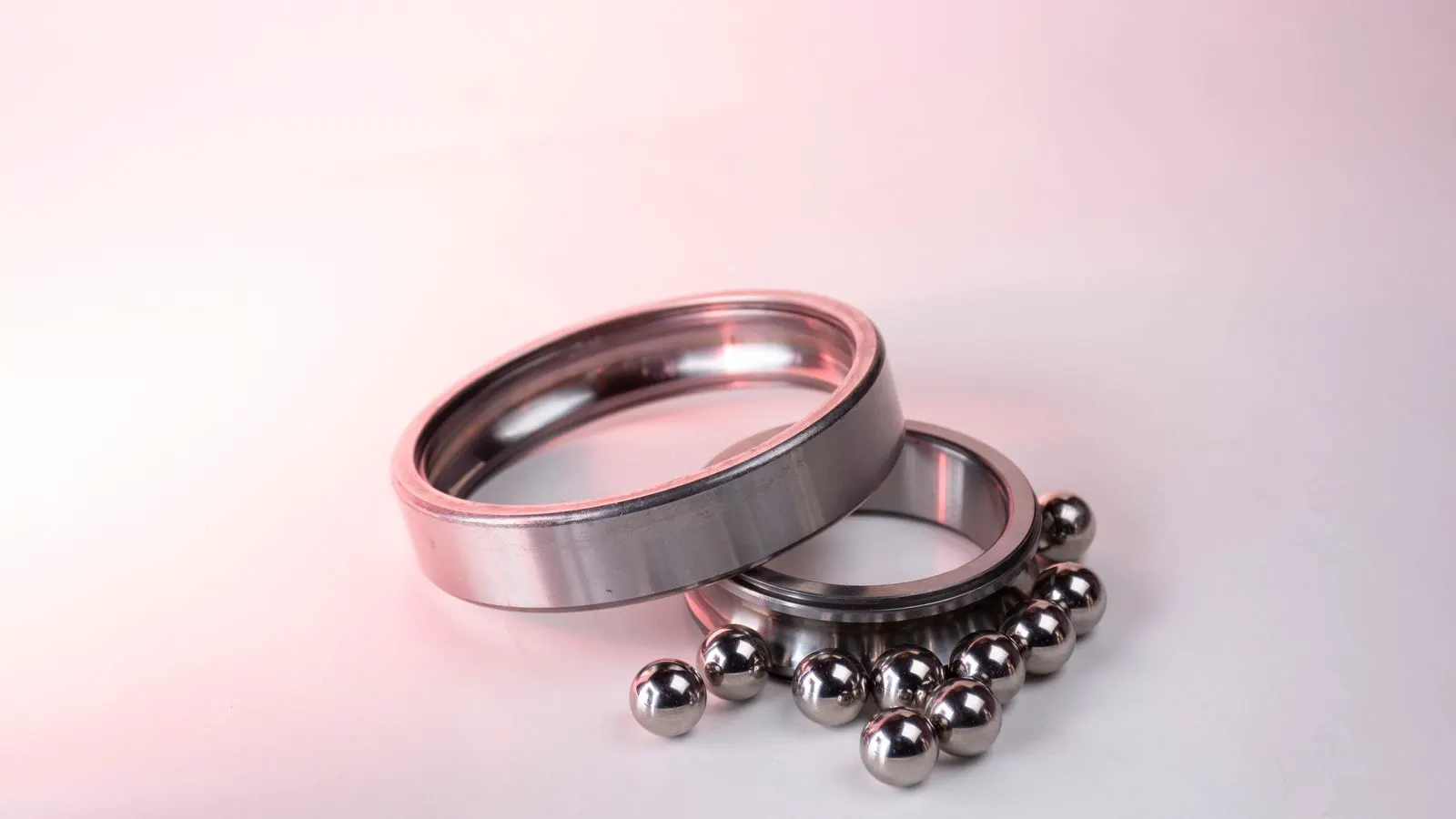
Polishing & Blasting
Polishing vs Bead Blasting: Cost and Lead Time
Polishing and blasting differ significantly in budget and turnaround. Polishing typically costs more per part but may take longer for deep defect removal. Blasting is

Compare polishing and blasting methods to improve surface texture, remove contaminants, and prepare parts for further finishing.
Polishing and blasting differ significantly in budget and turnaround. Polishing typically costs more per part but may take longer for deep defect removal. Blasting is
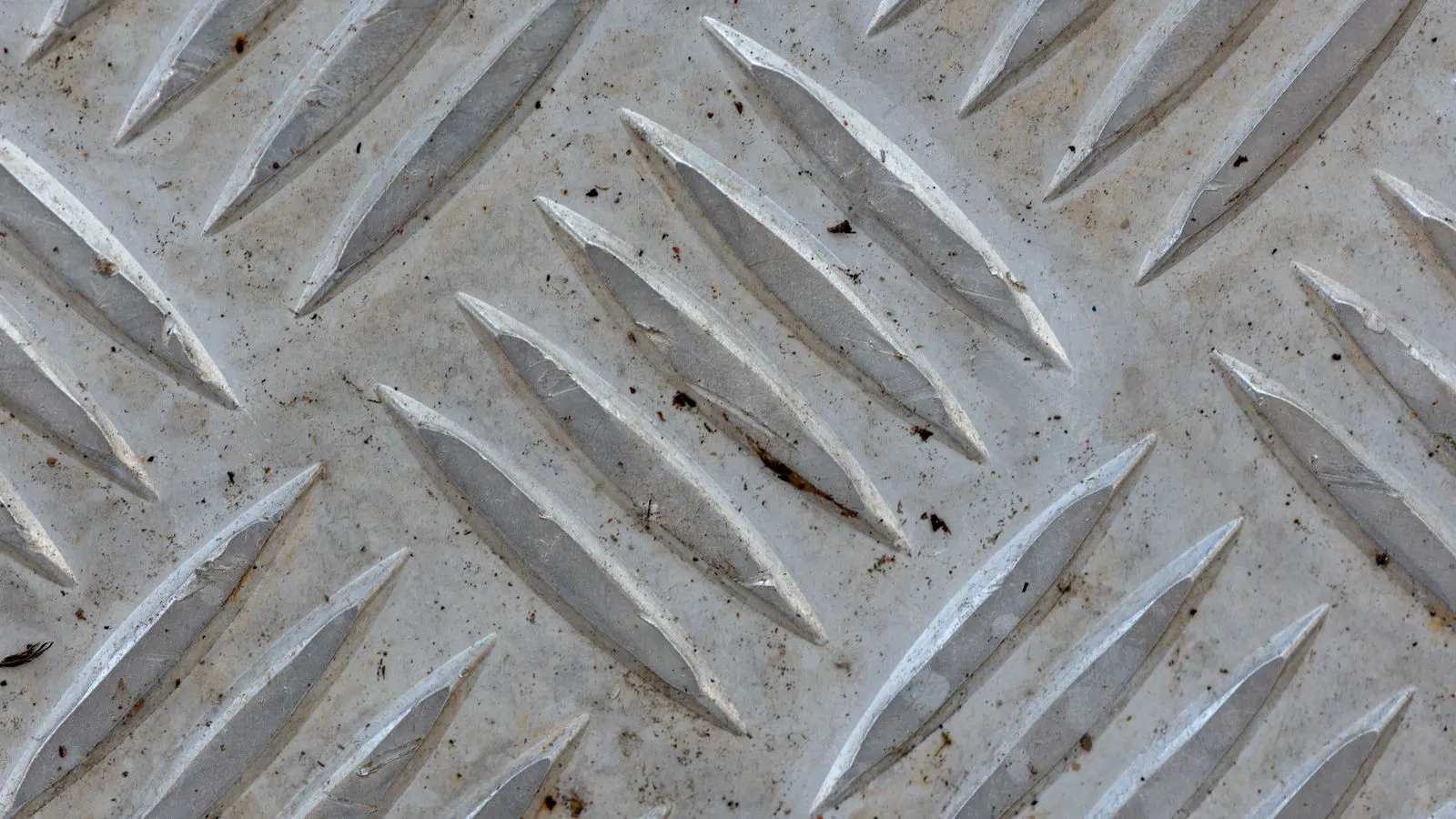
This article provides a structured checklist for choosing blast media. It covers grit, material, profile requirements, and cost factors to help you select the right
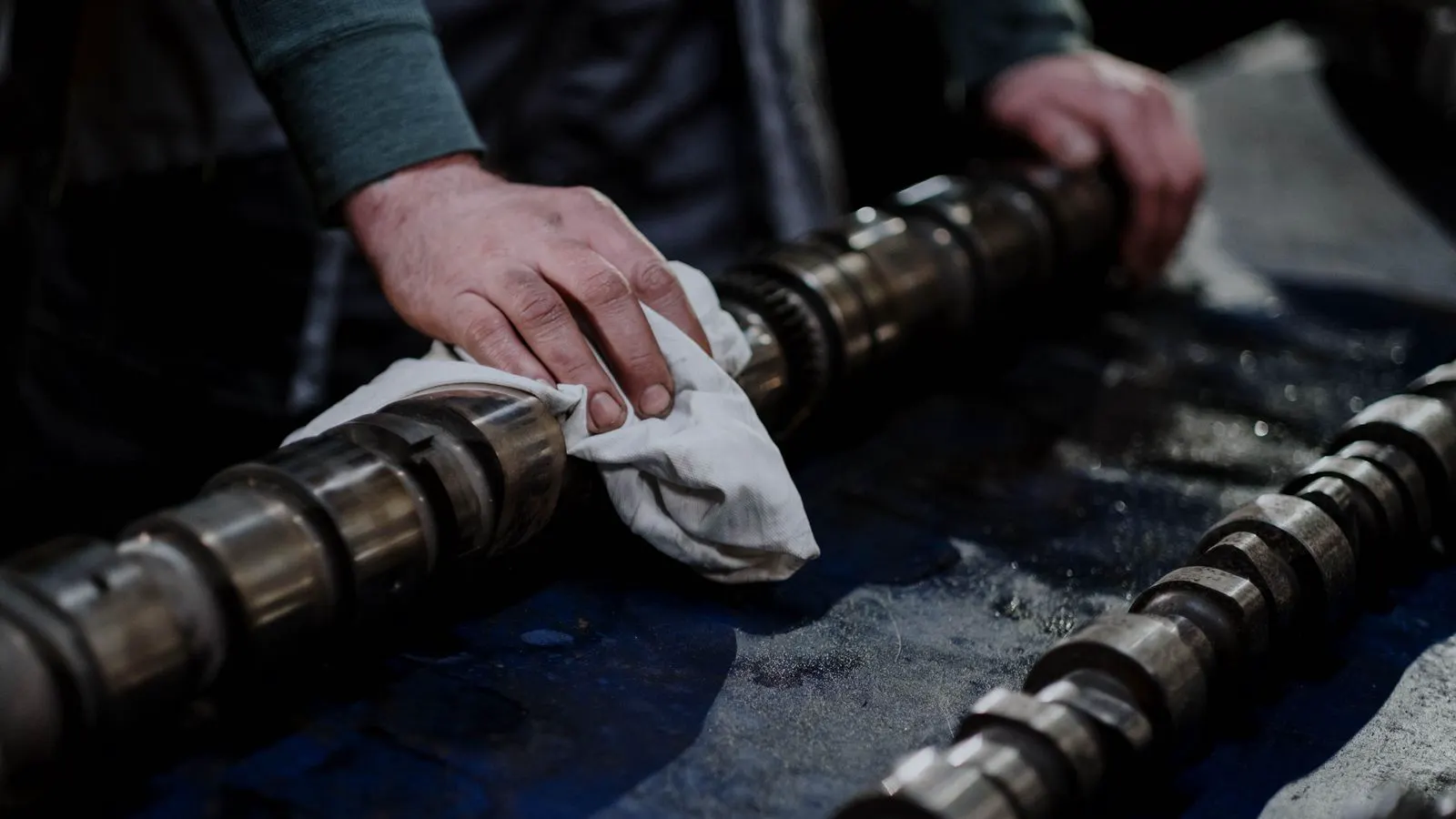
Preparing stainless steel for bead blasting requires thorough degreasing, rust removal, and mechanical cleaning. Proper prep prevents media rebound, ensures even surface
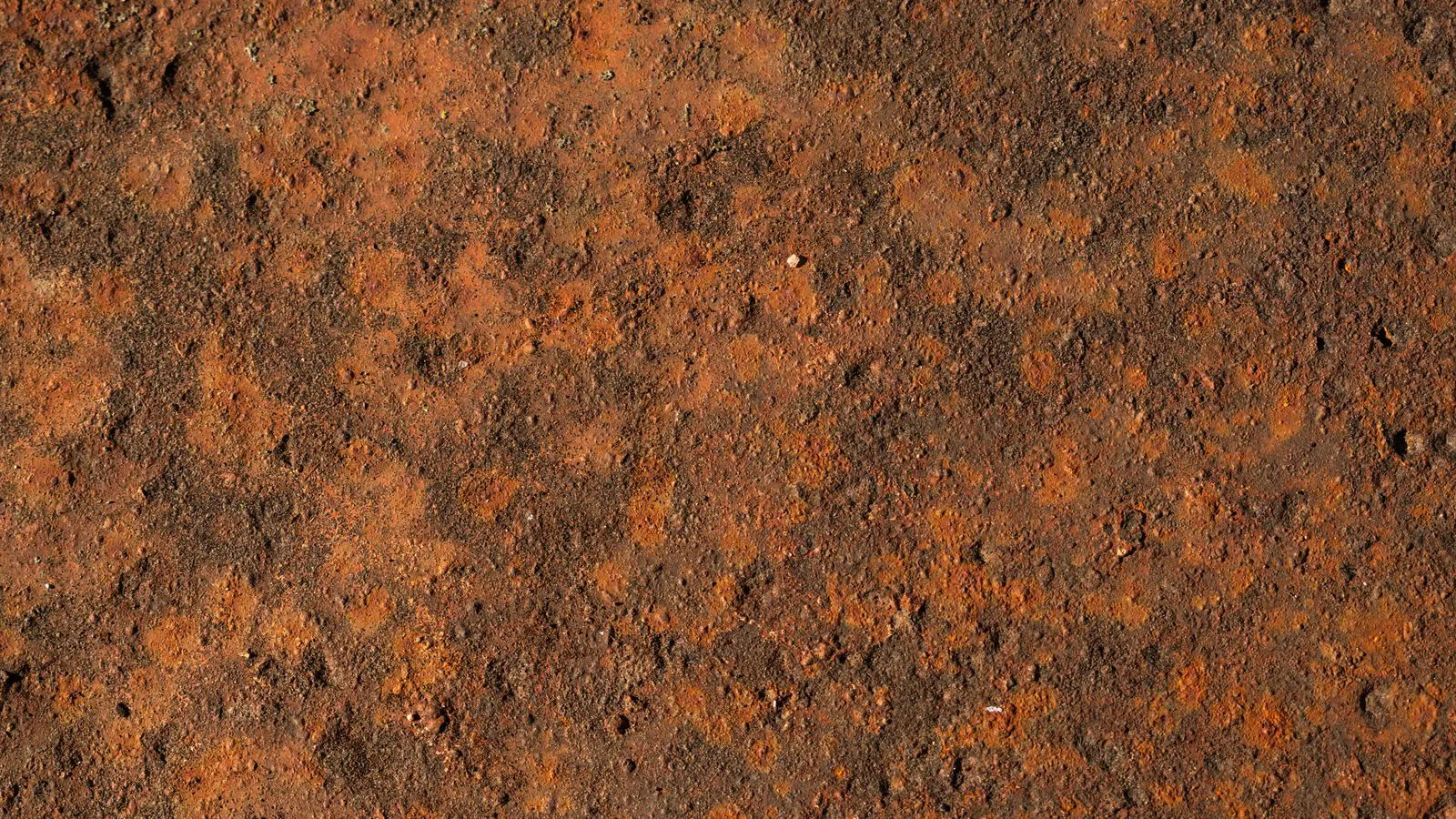
Metal surface profile defines the physical texture of a part after finishing. It controls paint adhesion, wear resistance, and visual appearance. Buyers must specify
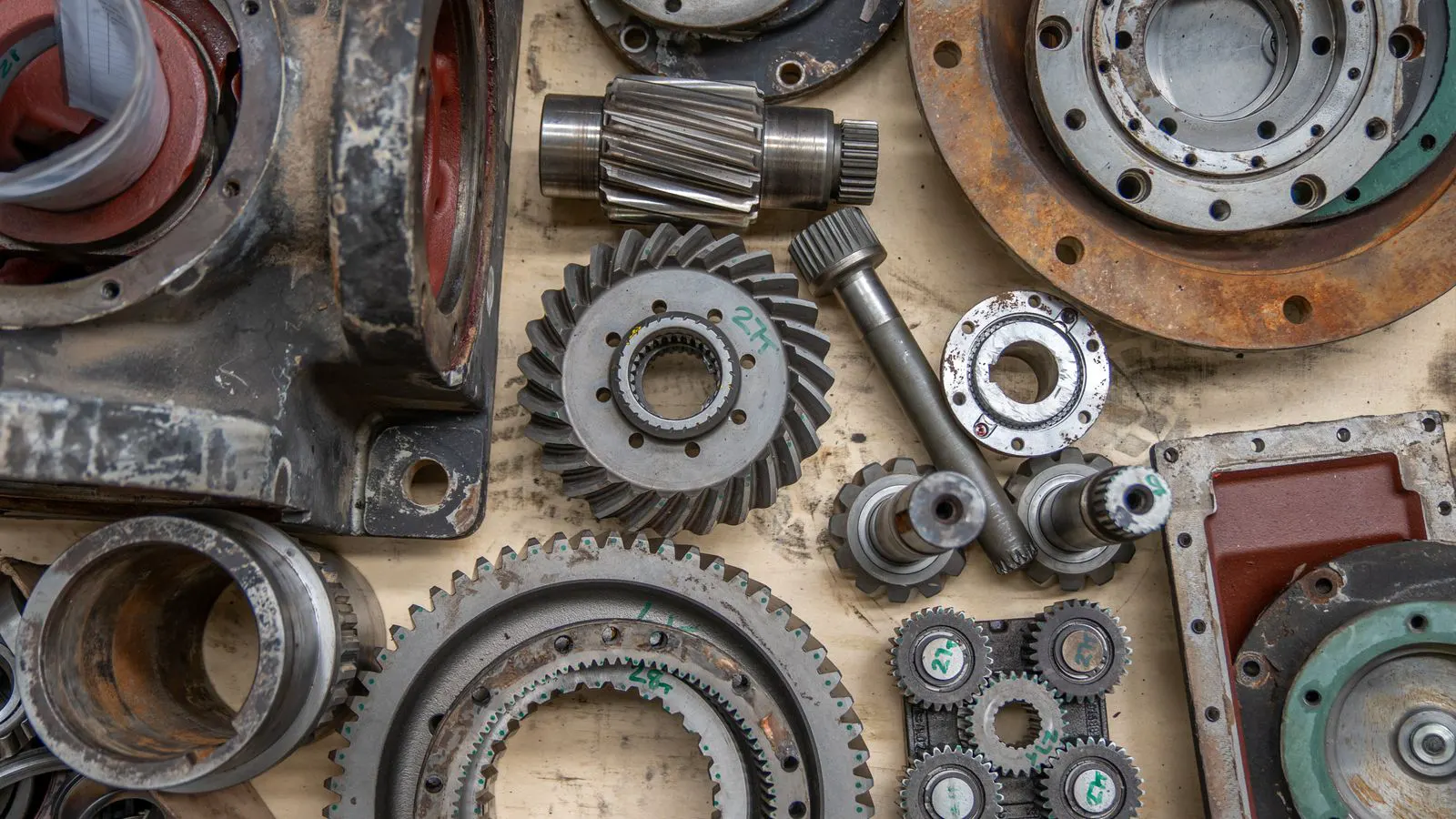
Shot blasting costs depend on part size, material, finish grade, and media choice. Lead times vary by shop capacity and inspection needs. Clear RFQs and fair quote
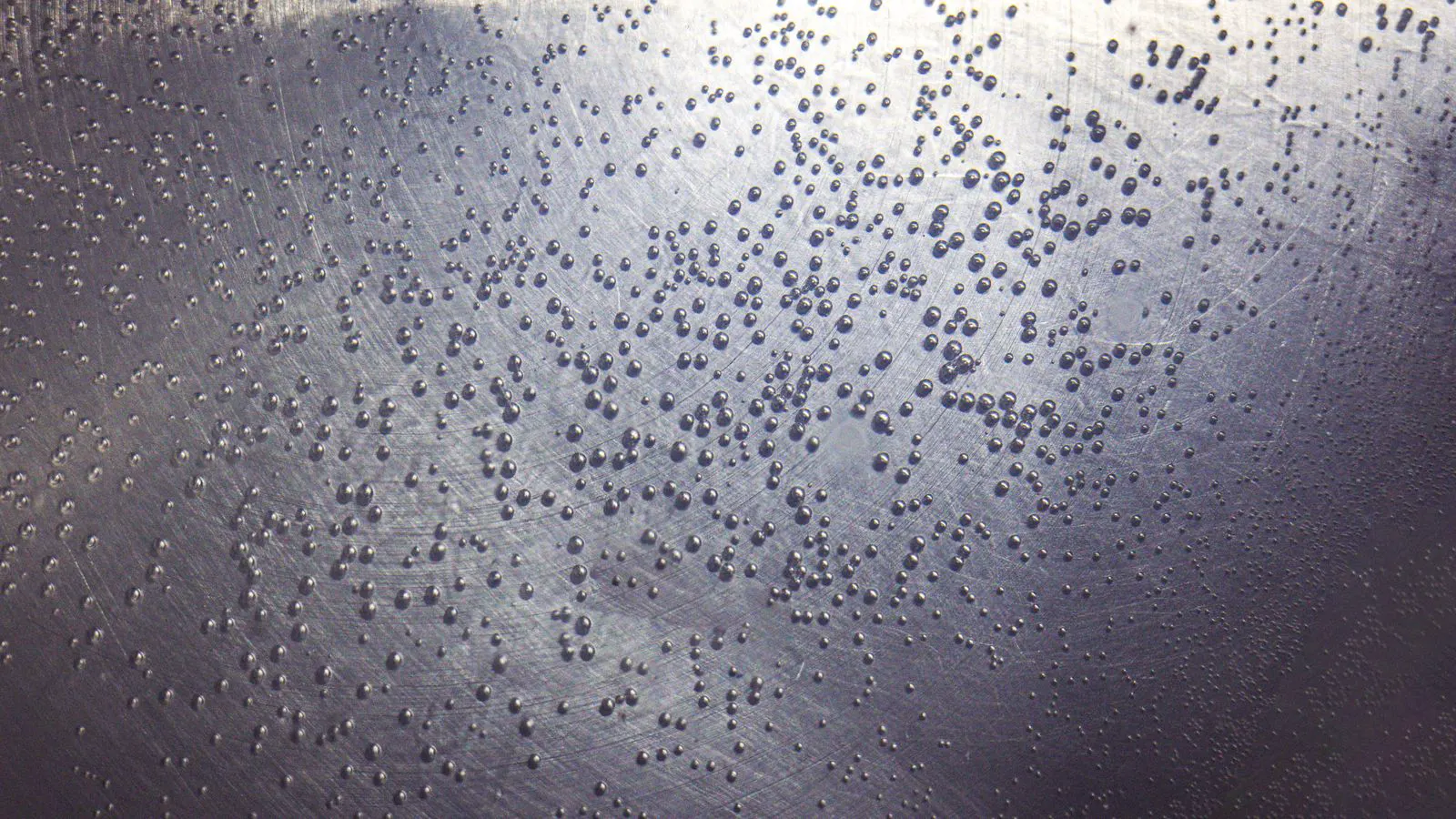
Poor surface profile after bead blasting usually stems from incorrect media selection, inconsistent blast distance, or inadequate part cleaning. This guide explains how
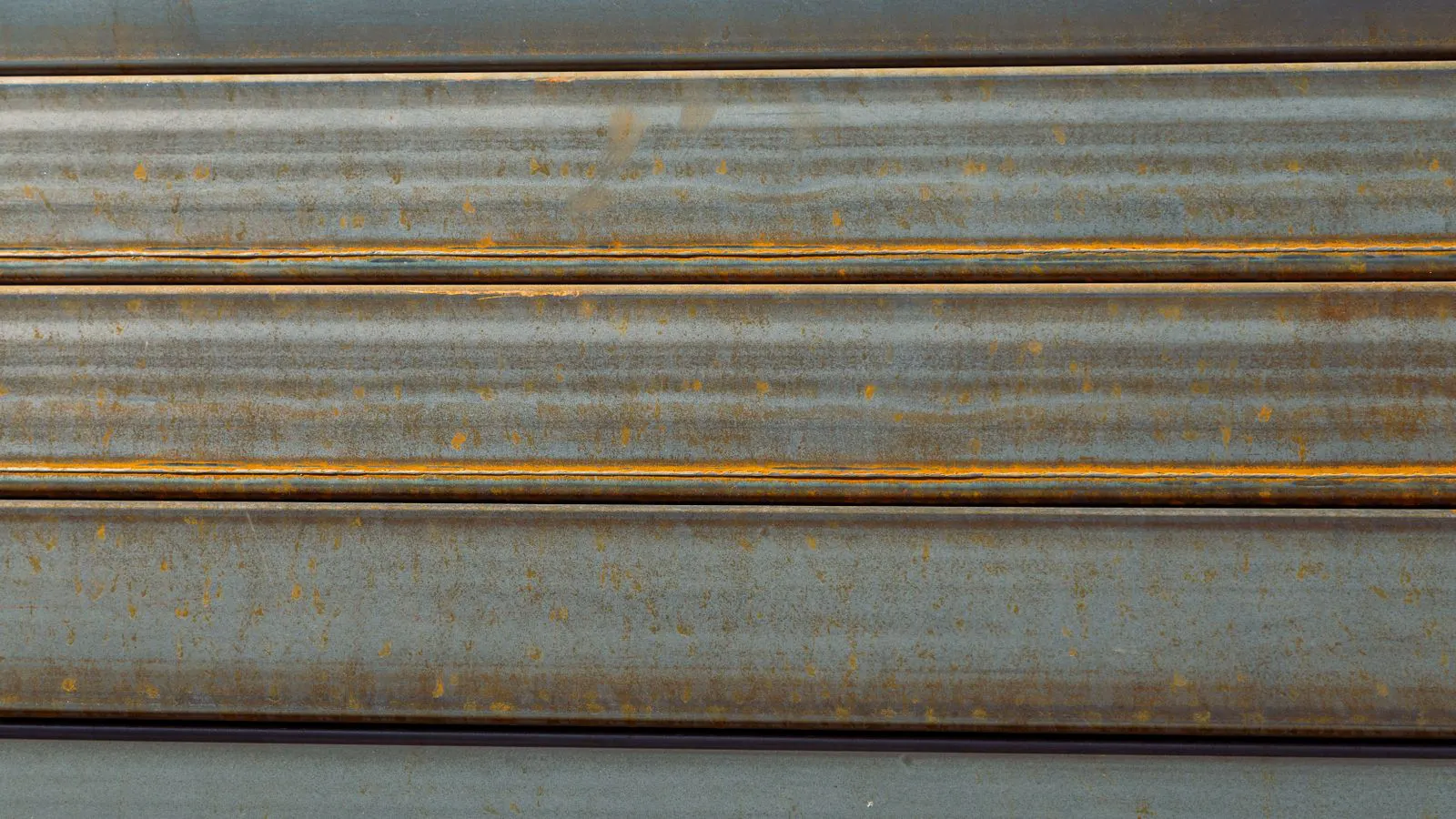
Importers must match abrasive media to the base metal and desired finish. This guide explains how to evaluate grit size, material composition, and supplier reliability.
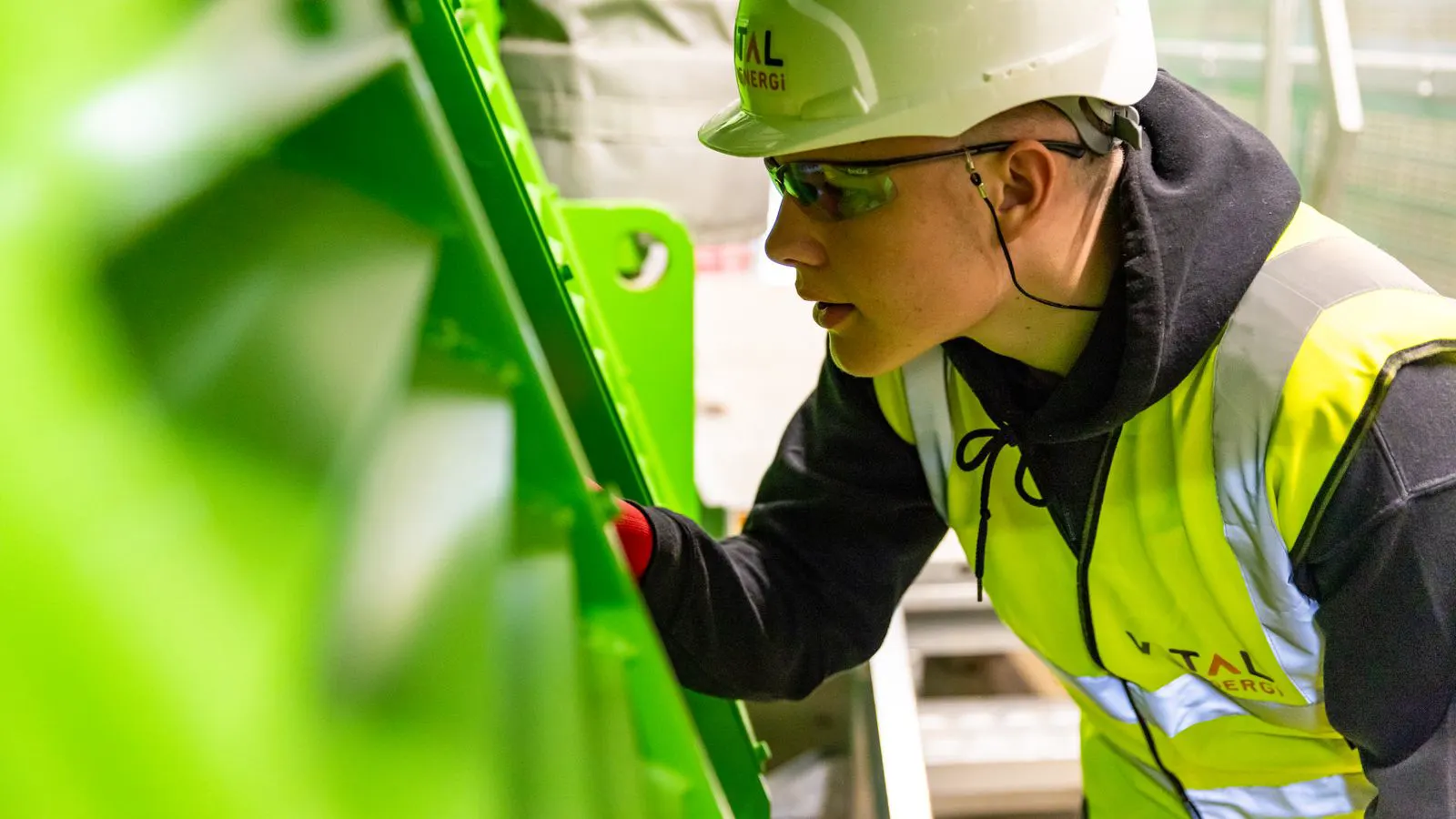
This audit checklist helps importers and engineers verify surface profile, contamination, and substrate integrity before abrasive blasting. It covers pre-blast
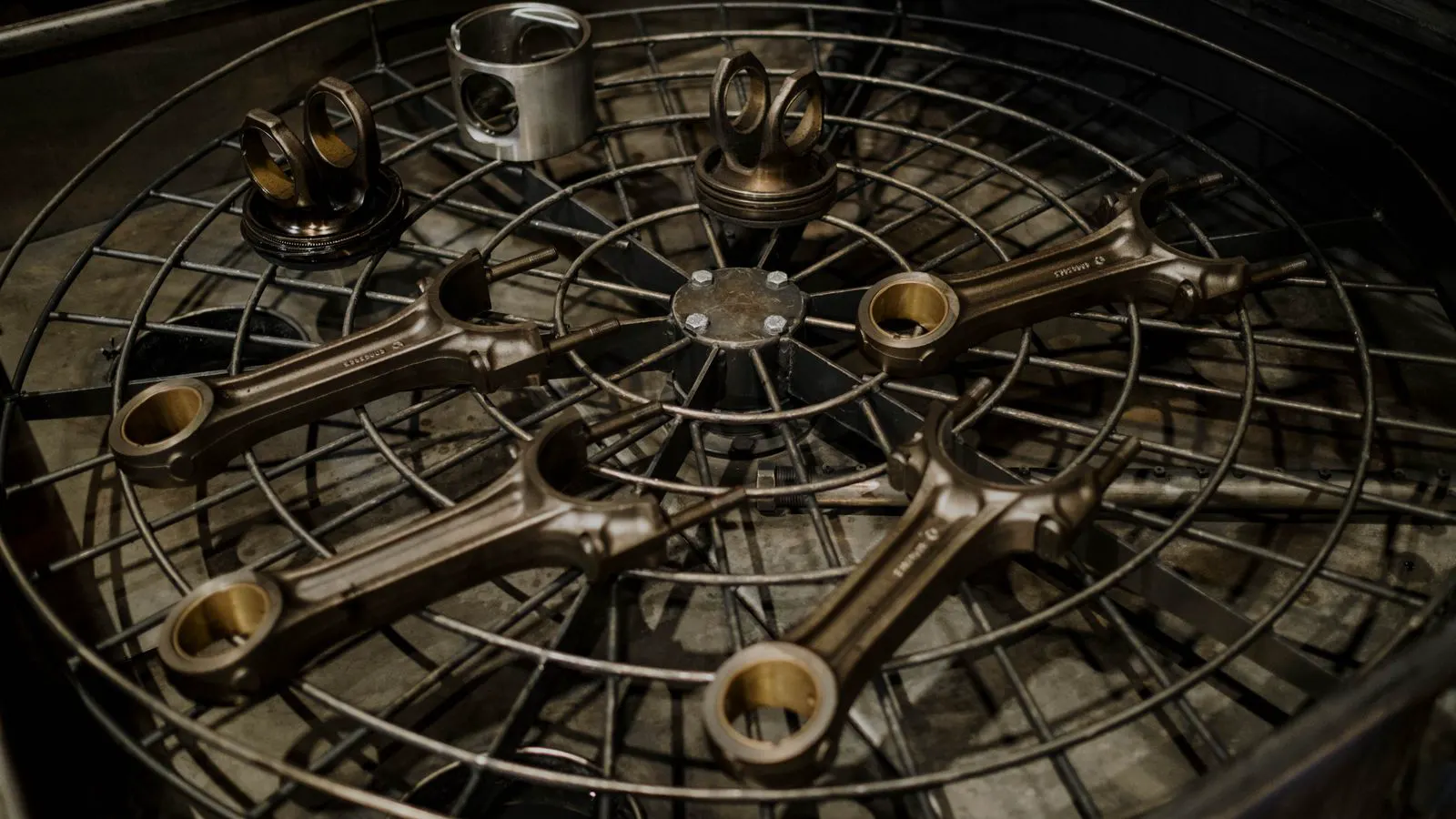
Bead blasting and shot blasting differ primarily in abrasive shape and resulting surface finish. Beads provide a finer, more uniform matte surface, ideal for cosmetic
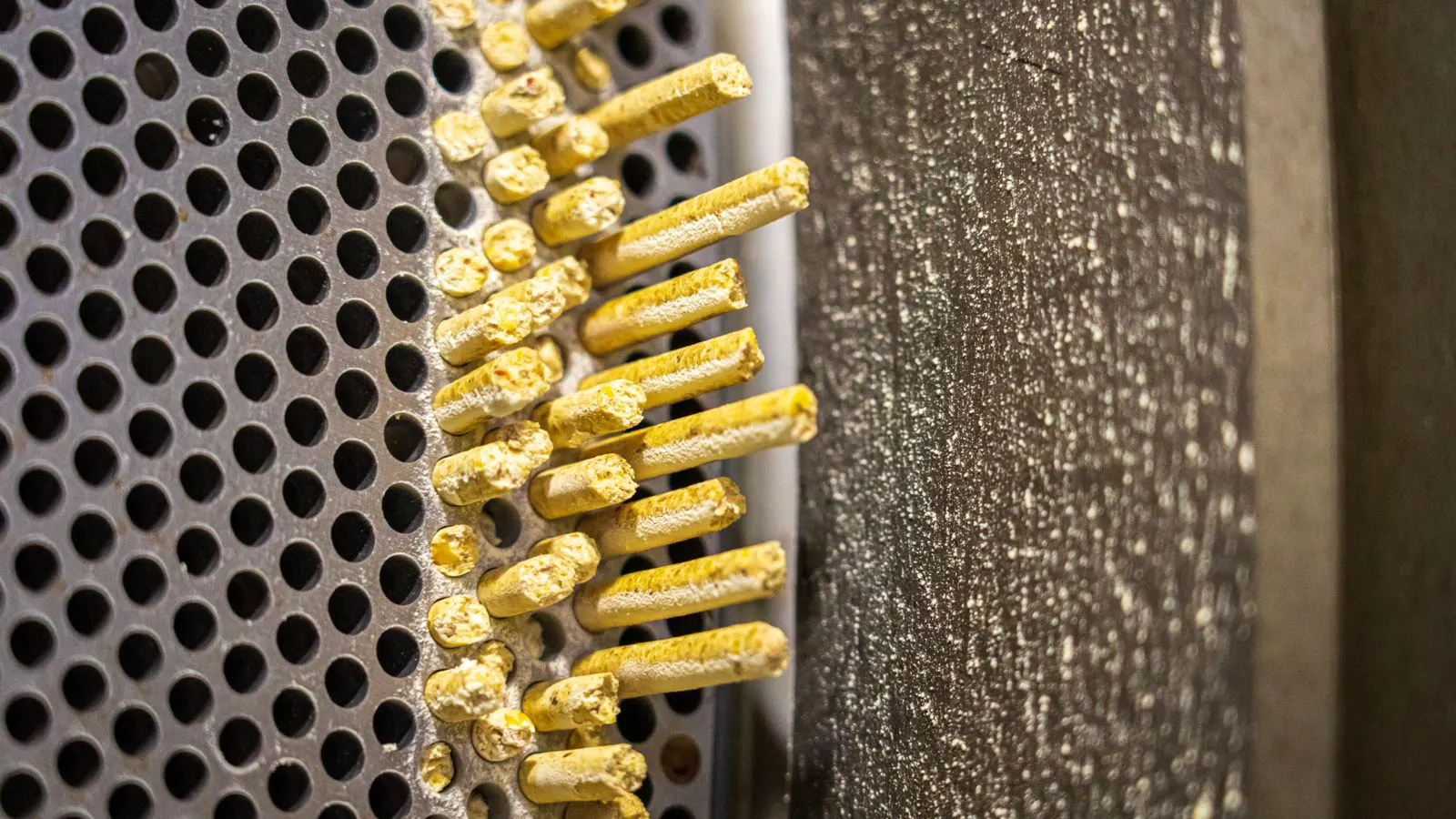
Abrasive blasting is evolving toward precision, sustainability, and digital control. Buyers should plan for media diversity, environmental compliance, surface finish
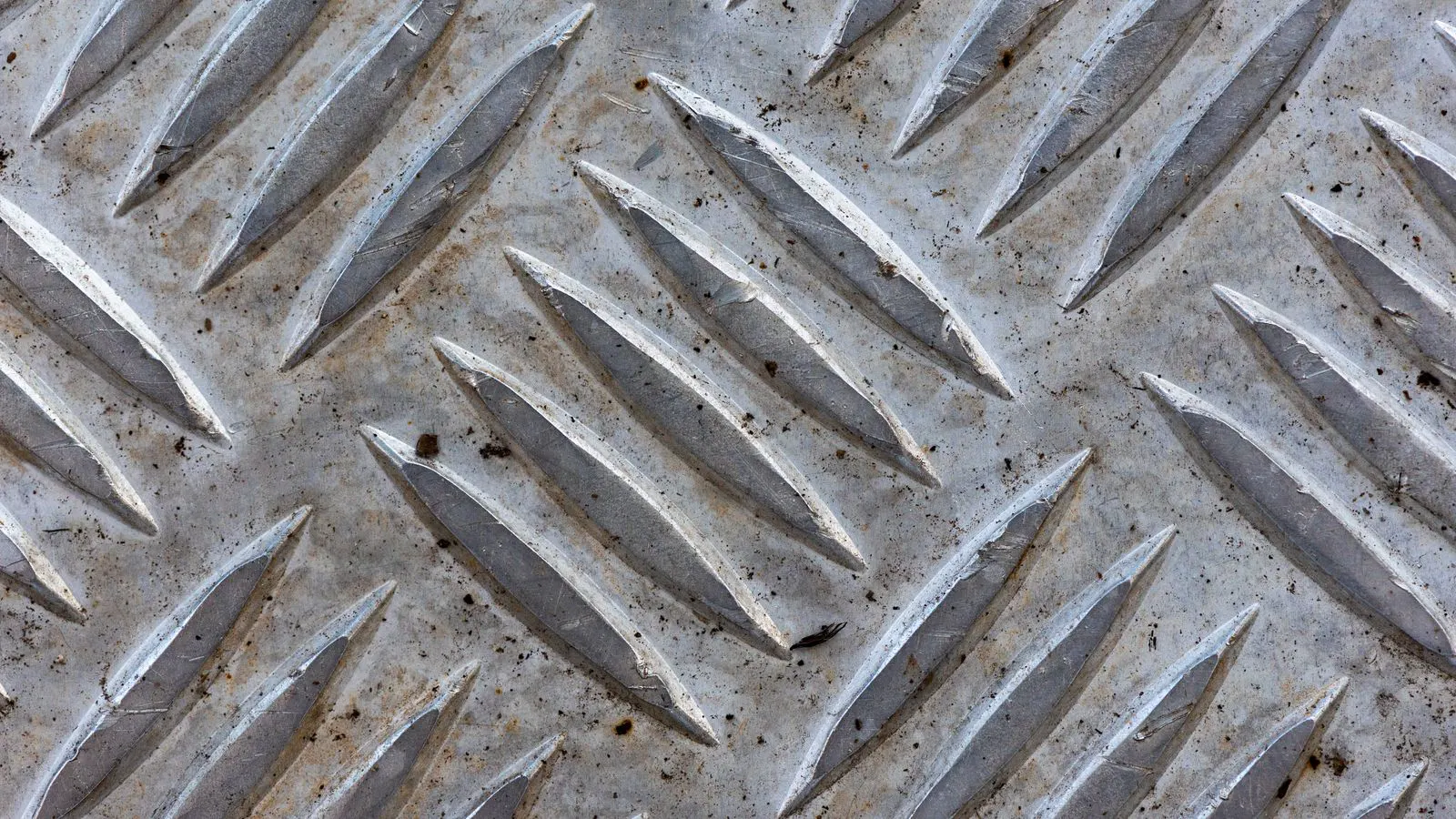
To prevent warping during shot blasting, control heat buildup, use proper clamping and support, and verify flatness before and after the process. Proper metal