Future of Laser Polishing for Precision Components
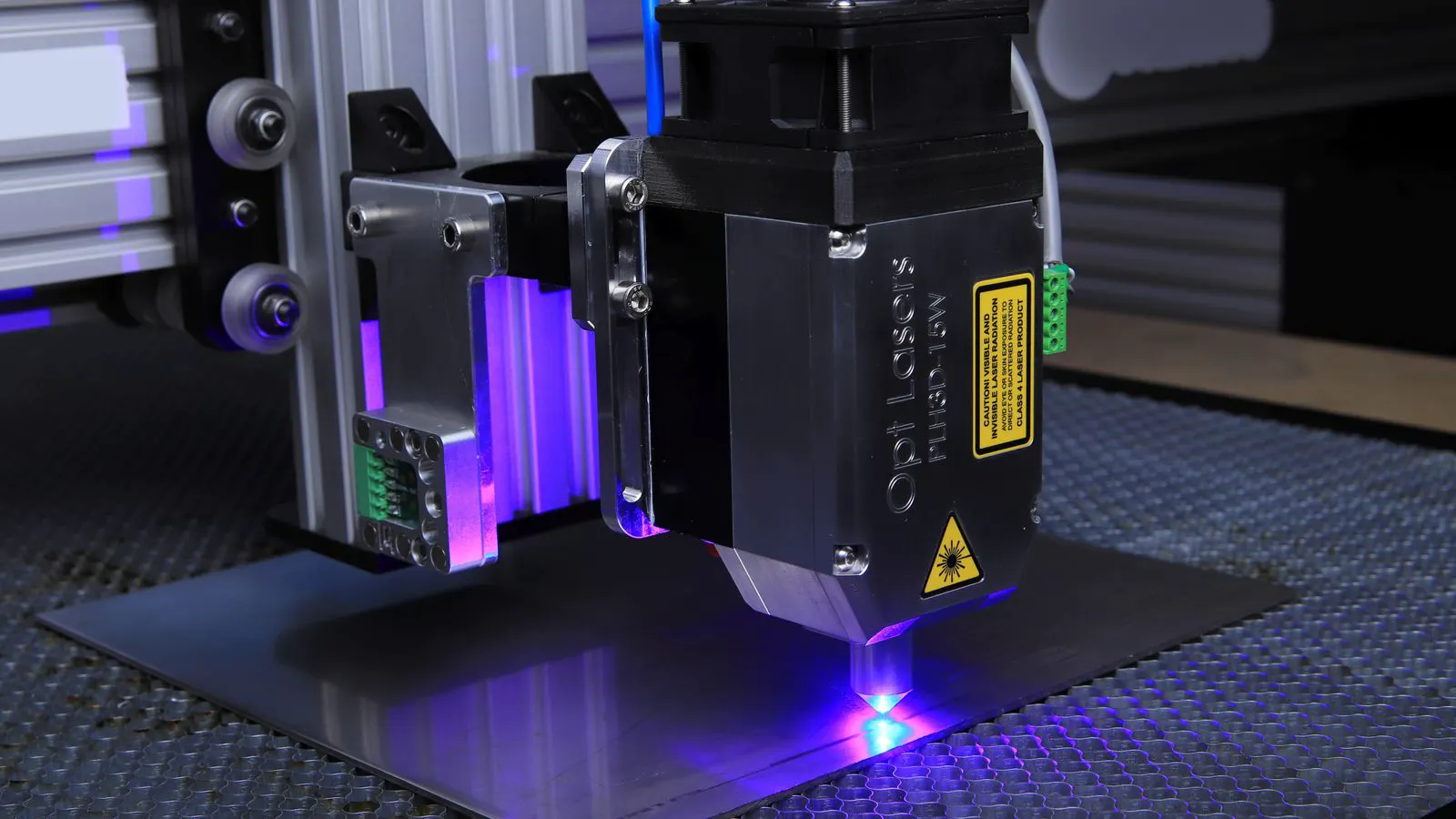
Laser polishing is moving from a niche specialty toward a standard option for high-precision metal parts. It offers tighter control over surface texture, repeatable results, and less material removal. Buyers should plan for better spec writing, improved material prep, and clearer acceptance criteria for laser-polished components.
- Laser polishing is expanding into more precision metal applications where traditional polishing struggles with consistency and material removal.
- Surface texture control is becoming a core acceptance criterion, not just a visual check.
- Material prep, part geometry, and spec clarity are now as important as the laser process itself.
- Buyers should plan for tighter tolerances, better documentation, and clearer communication with suppliers.
- Future-ready procurement means asking for texture data, repeatability evidence, and process controls early.
Why laser polishing is gaining traction on precision components
Laser polishing is no longer just a specialty tool for exotic or ultra-small parts. It is becoming a practical option for precision metal components where traditional mechanical polishing, bead blasting, or abrasives struggle to hold tight tolerances, repeatability, or surface profile. The core reason is simple: laser polishing removes or reshapes material with very fine control, often leaving a smoother, more predictable surface texture than hand-polished or mechanically finished parts.
For engineers and buyers, this matters because precision components are increasingly judged on surface behavior, not just appearance. A turbine blade, a medical implant, a bearing race, or a sensor housing may need a surface that is clean, repeatable, and free of micro-scratches or oxide irregularities. Laser polishing can address those needs in ways that are harder to standardize with conventional methods.
That said, laser polishing is not a universal replacement. It works best when the part design, material, and acceptance criteria are well defined. The next few points cover the shifts buyers should plan for and how to prepare.
Shift one: surface texture is becoming a measured requirement, not a visual one
For many metal finishing projects, the finish is checked by eye, by a profile gauge, or by a simple comparison to a standard. That approach is still common, but it is not enough for high-precision work. Laser polishing is pushing surface texture into the realm of a controlled, measurable attribute.
In practice, this means buyers should expect more attention to surface profile, roughness, and consistency across multiple parts. Instead of asking, “Does it look polished?” the question is moving toward, “Does the surface match the specified profile and repeatability requirements?”
This shift changes how specifications are written. A good spec for laser-polished components should include:
- Material and alloy grade
- Part geometry and critical zones
- Target surface texture, expressed in roughness values where possible
- Acceptance method, such as profile measurement or visual inspection
- Repeatability requirements across lots
If the current spec is vague, the first step is to tighten it. A part that says “polished” is a lot harder to accept consistently than one that says “surface roughness below a specified value in the critical zone, verified by profile measurement.”
Shift two: material prep is now a bigger part of the process
Laser polishing is sensitive to the starting condition of the metal. Oxide, contamination, machining marks, and residual scale can all affect how the laser interacts with the surface. A part that looks clean may still carry invisible residues that change the finish or cause inconsistency.
This is a practical change for buyers. It means material prep is no longer a minor step. It is a quality gate. For stainless steel, for example, the difference between a freshly machined part and one that has been passivated or chemically cleaned can matter. For aluminum alloys, surface oxidation and handling matter. For tool steels, heat treatment state and surface condition can influence the final result.
Buyers should plan for clearer documentation around prep. This may include:
- Cleaning method before finishing
- Whether the part is bare, passivated, or chemically treated
- Handling requirements to avoid contamination
- Inspection of the surface before laser polishing
In the future, parts that arrive with poor prep will be harder to finish to a consistent standard. The cost of fixing that downstream is usually higher than fixing it upstream.
Shift three: part geometry is driving process design
Laser polishing is highly dependent on geometry. A flat or gently curved surface is easier to control than a deep bore, an undercut, or a complex contour. The laser needs line of sight and stable access. When the geometry is difficult, the process may require multiple passes, repositioning, or specialized tooling.
This matters for procurement because it affects lead time, cost, and acceptance. A simple flat surface on a precision housing may be straightforward. The same laser polishing spec on a narrow internal channel is a different project.
Buyers should plan for more detailed geometry review. That means sharing CAD models early, identifying critical zones, and flagging features that limit laser access. It also means being realistic about what laser polishing can and cannot do on a specific part.
In some cases, a hybrid approach makes sense. A part may be bead blasted first to reduce roughness, then laser polished in critical areas to achieve the final texture. This is a practical way to balance cost, access, and finish quality.
Shift four: repeatability is the real value proposition
The reason laser polishing is moving into high-precision work is repeatability. Traditional polishing can vary with operator skill, pressure, and tool wear. Bead blasting can vary with media condition, distance, and flow. Laser polishing, when well controlled, can produce the same result part after part.
For buyers, this is not just a technical point. It is a supply chain point. If a component goes into an assembly where surface quality affects performance, repeatability reduces risk. It makes acceptance more objective. It makes audits and traceability easier.
This shift means that process documentation becomes more important. Buyers should expect suppliers to be able to explain:
- How the laser parameters are controlled
- How consistency is verified across lots
- What happens when a part falls outside acceptance
- What records are kept for traceability
If a supplier cannot answer these questions, the risk is higher. For precision components, process control is part of the product.
Shift five: acceptance criteria are getting more technical
As laser polishing becomes more common, acceptance criteria will get more technical. This is a good thing for buyers, but it requires preparation. The old model of “polished, no visible scratches” is not enough for precision work.
Future-ready acceptance criteria should include:
- Surface roughness values in critical zones
- Visual criteria for scratches, pits, or discoloration
- Measurement method and equipment
- Lot acceptance rules
- Reinspection or rework policy
A simple table can help clarify what is expected:
| Parameter | Why It Matters | Typical Buyer Concern |
|---|---|---|
| Surface roughness | Defines texture and fit behavior | Is the value consistent across parts? |
| Critical zone definition | Ensures the right area is polished | Are the zones clearly marked or referenced? |
| Measurement method | Makes acceptance objective | Is the method stated and agreed? |
| Repeatability | Supports production stability | Can the same result be delivered lot after lot? |
| Rework policy | Reduces dispute risk | What happens if a part fails? |
This level of detail is not overkill. It is the difference between a finish that is acceptable once and a finish that is acceptable every time.
Shift six: supplier capability is now about process control, not just equipment
Buyers often assume that if a supplier has a laser, the part will be polished correctly. That is no longer a safe assumption. The difference between a good laser polishing result and a poor one is often in the process control, not the hardware.
A capable supplier should be able to discuss:
- Calibration and maintenance of the laser system
- How parameters are locked for a specific part
- How surface condition is verified before and after finishing
- How the process is scaled across lots
- How defects are detected and handled
This is where many buyers should prepare by asking better questions early. A supplier that can explain process controls, acceptance checks, and traceability is easier to work with than one that only talks about the laser itself.
How to prepare your specifications for laser polishing
The best preparation is to treat laser polishing like any other precision finishing process. Define it clearly, measure it clearly, and build the acceptance criteria into the spec from the start.
A practical preparation checklist includes:
- Identify the critical zones that must be polished
- Define the target surface texture using measurable values where possible
- Specify the material condition and prep requirements
- State the measurement method and acceptance criteria
- Define rework and inspection rules
- Require process documentation and traceability for production lots
This approach reduces ambiguity. It also makes it easier to compare suppliers on capability rather than just price.
What this means for buyers in the next phase of precision metal finishing
Laser polishing is not about replacing every traditional method. It is about filling a gap in precision metal finishing where control, repeatability, and texture matter. For high-precision components, that gap is increasingly important.
The practical takeaway is to plan for more technical specs, better material prep, clearer acceptance criteria, and stronger supplier process control. If those pieces are in place, laser polishing becomes a predictable part of the finishing workflow rather than a risky experiment.
If you are currently specifying polished surfaces and the requirements are loose, the first step is to tighten them. That step alone will make the transition to more advanced finishing methods easier and more repeatable.
Frequently asked questions
Is laser polishing a replacement for bead blasting or traditional polishing?
No. It is a specialized option for precision work where texture control and repeatability matter. Many parts still benefit from bead blasting, mechanical polishing, or a hybrid approach.
What makes laser polishing suitable for high-precision metal components?
It offers fine control over material removal and surface texture, which supports tighter tolerances and more consistent results across lots.
What should I specify when requesting laser polishing?
Specify material, critical zones, target surface texture, measurement method, and acceptance criteria. Geometry and prep requirements should also be clearly defined.
How does material prep affect laser polishing results?
Oxide, contamination, and machining marks can change how the laser interacts with the surface. Clean, well-prepared parts are easier to finish consistently.
What is the main risk when adding laser polishing to a production part?
Vague acceptance criteria. If the surface texture is not measured and defined, acceptance becomes subjective and disputes become more likely.