Bead Blasting vs Shot Blasting: Texture and Profile Differences
Bead blasting creates a fine, uniform texture suitable for delicate parts and paint adhesion, while shot blasting yields a deeper, rougher profile for heavy corrosion removal. The choice depends on the required surface profile and the substrate material.
- Bead blasting provides a finer, more uniform surface profile than shot blasting.
- Shot blasting is better for heavy-duty cleaning and thicker oxide removal.
- Media particle size and shape dictate the resulting surface texture.
- Always match the blasting method to the required surface profile specification.
- Test both methods on scrap parts to confirm adhesion and appearance results.
What Drives the Difference in Surface Profile
The visual and physical difference between bead blasting and shot blasting comes down to particle geometry and mass. Bead blasting uses spherical media, typically glass, steel, or aluminum oxide. Shot blasting uses irregular or sub-spherical media, often recycled aluminum oxide, silicon carbide, or steel grit. The spherical shape of beads allows for a consistent impact angle. Shot media has edges and flat sides that strike the surface with more aggressive force.
This difference matters when you are preparing a part for a secondary process. Paint adhesion, plating, or anodizing all rely on a specific surface profile. If the profile is too smooth, the coating may not grip. If it is too rough, the final surface looks uneven and may trap contaminants. The goal is a balance that meets the functional requirement without altering the part’s critical dimensions.
How Surface Texture Varies by Media
Surface texture refers to the microscopic topography created by the abrasive impact. Bead blasting produces a texture that looks like fine sand paper. The pits are small, round, and evenly distributed. This texture is often preferred for decorative applications, aerospace components, and parts that will receive a clear coat. The uniformity of the beads means the texture is predictable across the part.
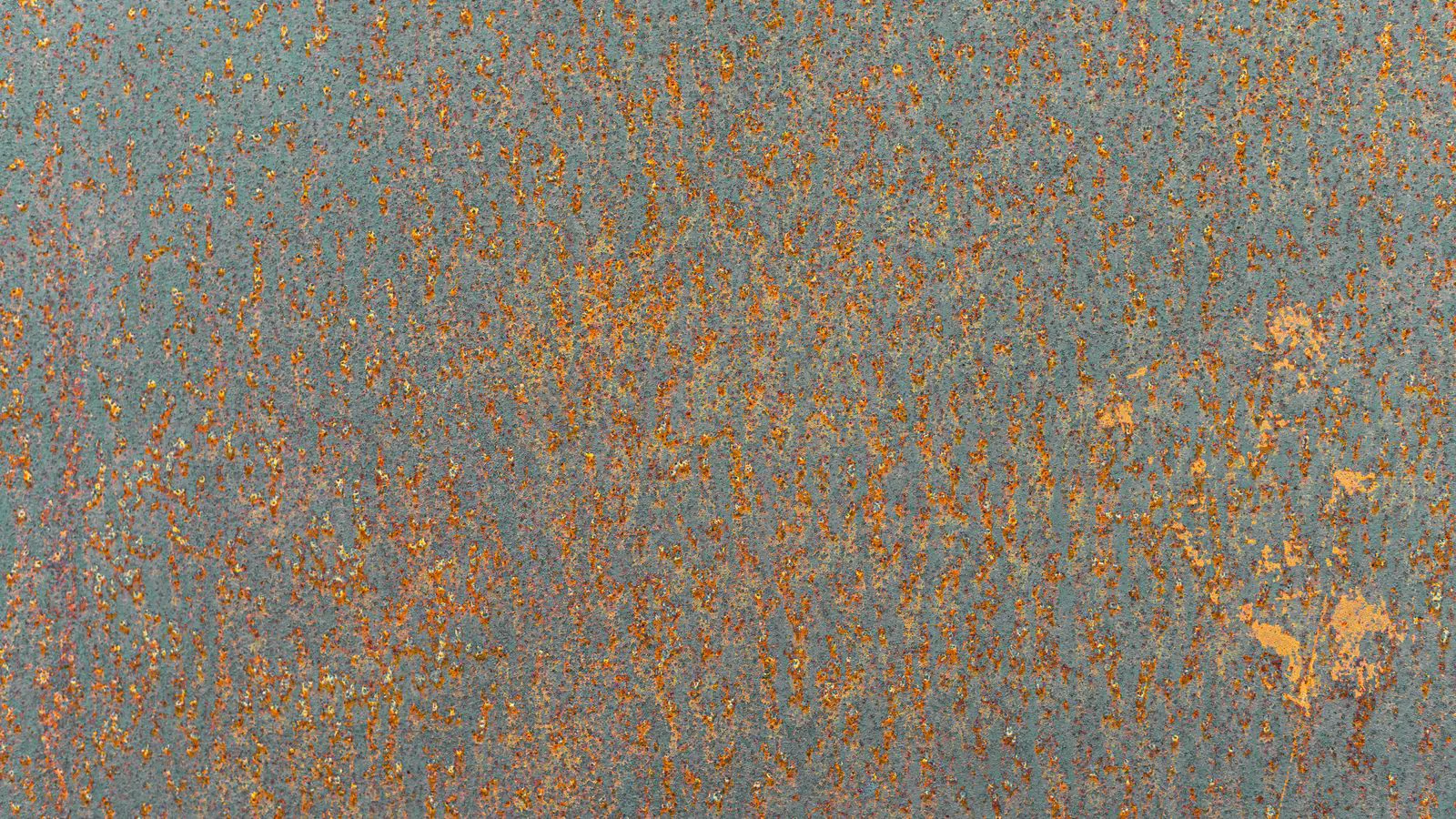
Shot blasting creates a more rugged texture. The irregular shape of the shot media leaves deeper, more irregular pits. The result is a matte, rough finish that looks less refined. This roughness can be a feature rather than a flaw. It increases the mechanical interlock for structural coatings and helps mask minor surface imperfections. The texture is less consistent from bead to bead, which can be a concern for cosmetic parts.
Comparing Bead and Shot Blasting Methods
| Option | Best for | Limitations |
|---|---|---|
| Bead Blasting | Fine cosmetic finishes, aerospace, delicate metals | Higher cost per ton of media, slower removal of heavy scale |
| Shot Blasting | Heavy corrosion, thick oxide, structural parts | Rougher texture, less suitable for cosmetic applications |
| Aluminum Oxide Beads | Stainless steel, aluminum, non-conductive surfaces | Abrasive wear on equipment, dust control required |
| Silicon Carbide Grit | Hardened steels, cast iron, thick deposits | High dust generation, difficult to recover |
The table above highlights the practical trade-offs. Bead blasting is often selected when the part has tight tolerances or a strict aesthetic requirement. The spherical media minimizes the risk of gouging or pitting beyond the intended profile. Shot blasting is chosen when the goal is aggressive cleaning. The irregular media penetrates deeper into surface flaws and removes material faster. However, this comes at the cost of surface finish.
When to Choose Bead Blasting
Select bead blasting when the primary goal is a uniform, fine surface profile. This method is common in the aerospace industry for preparing aluminum and titanium components. The fine texture helps paint adhere evenly without showing through in the final coat. It is also the standard for stainless steel parts that will be displayed or used in clean environments where the surface finish is visible.
Bead blasting is effective on softer metals like aluminum and copper. The low mass of the beads prevents damage to the underlying material. It is also preferred for parts with complex geometries, such as castings with deep cavities. The spherical shape allows the media to flow into tight spaces and provide consistent coverage. If your specification calls for a low profile, measured in microns, bead blasting is the safer choice.
When to Choose Shot Blasting
Choose shot blasting when you need to remove heavy scale, rust, or thick oxide layers. The irregular shape of the shot media acts like a tiny chisel, breaking up hard deposits that spherical beads cannot easily dislodge. It is the standard for pre-painting of structural steel beams, ship hulls, and industrial equipment. The aggressive action creates a high profile that provides excellent mechanical keying for thick epoxy coatings.
Shot blasting is also effective on hard materials like cast iron and hardened steel. The media can penetrate the surface to a depth that removes decarburized layers or old paint. However, this method is rarely used for cosmetic parts. The resulting texture is too rough for clear coats and may require additional grinding to reduce the profile. If your part has visible surfaces, shot blasting is usually the wrong tool.
How Media Size Affects the Final Profile
Media particle size is a critical variable in both methods. Larger beads or shot create a deeper profile. Smaller particles create a finer finish. For bead blasting, 40 mesh to 80 mesh beads are common for general surface preparation. Larger beads, such as 30 mesh, will create a more pronounced texture. For shot blasting, the size range is wider. Coarse grits are used for heavy cleaning, while fine grits are used for lighter preparation.
The shape of the media also plays a role. Recycled aluminum oxide beads are often slightly irregular due to the recycling process, which can make the texture less uniform than virgin glass beads. Steel grit is typically sub-spherical, meaning it is closer to a sphere than a cube but still has edges. This shape creates a profile that is deeper than glass beads but smoother than silicon carbide. Understanding the specific media composition is key to predicting the final surface profile.
Practical Considerations for Surface Preparation
When specifying a blasting method, you must consider the downstream process. Paint adhesion is the most common requirement. The surface profile must be deep enough to allow the paint to flow into the valleys of the texture. If the profile is too shallow, the paint may not bond well. If it is too deep, the paint may dry unevenly or show the texture. Bead blasting often achieves the ideal mid-range profile for most paint systems.
Cleaning requirements also drive the decision. If the part is covered in mill scale, shot blasting is usually necessary. Bead blasting may remove light scale but will struggle with thick deposits. The time and cost difference can be significant. Shot blasting removes material faster, reducing cycle times. Bead blasting may require multiple passes to achieve the same level of cleanliness, increasing labor costs.
How to Verify the Correct Surface Profile
Do not guess the result. Always request a test blast on a scrap piece of the same material and thickness. Measure the surface profile with a profilometer. This instrument measures the height of the peaks and valleys. Compare the measurement to your specification. If the profile is out of range, adjust the media size or change the method.
Also check the surface appearance. Look for any gouging, pitting, or inconsistent coverage. Bead blasting should provide a uniform, matte finish. Shot blasting will show a more irregular pattern. If the part will be visible, the aesthetic quality is as important as the profile height. A visual inspection is a quick way to catch issues that a profilometer might miss.
Common Mistakes in Media Selection
One common mistake is using the wrong media for the material. Bead blasting aluminum with steel grit can cause embedding, where the abrasive particles stick to the soft metal. This creates a rough, dirty surface that is difficult to clean. Always use compatible media. Aluminum oxide beads are generally safe for non-ferrous metals.
Another error is ignoring the equipment. Bead blasting requires a different setup than shot blasting. The media flow rate and pressure settings are different. If you use a shot blasting machine for bead blasting without adjusting the settings, you may damage the part or the equipment. Work with a qualified blaster who understands the specific requirements of your project.
Finally, do not assume that “cleaner” is always better. A very rough surface profile can trap contaminants, moisture, or debris. This can lead to corrosion or coating failure. The goal is a clean, consistent profile that meets the specification, not the roughest possible surface.
Final Thoughts on Selection
The choice between bead blasting and shot blasting is not about which is better. It is about which is right for the job. Bead blasting offers a fine, uniform texture that is ideal for cosmetic and delicate parts. Shot blasting provides a rough, aggressive profile that is best for heavy cleaning and structural applications.
By understanding the differences in surface texture and profile, you can specify the correct method and avoid costly rework. Always test on scrap, measure the profile, and consult with your finishing provider. The right media, size, and method will give you the surface finish your part needs.
Frequently asked questions
What is the typical surface profile for bead blasting?
Bead blasting generally creates a low to medium surface profile, often measured in the range of a few microns to a few tens of microns depending on the media size. It is finer than shot blasting.
Can I use bead blasting on steel?
Yes, bead blasting is commonly used on steel for surface preparation. It is particularly useful for removing light rust, mill scale, and old paint, and for creating a uniform texture for paint adhesion.
Is shot blasting better for removing rust?
Shot blasting is generally more effective at removing heavy rust and thick oxide layers than bead blasting due to the aggressive shape of the media. Bead blasting is better for lighter cleaning.
How do I know if my part needs bead or shot blasting?
Check your surface profile specification. If the requirement is a fine, uniform texture, choose bead blasting. If the requirement is a rough profile for heavy coating adhesion or heavy cleaning, choose shot blasting. When in doubt, test both.
What is the difference in cost between bead and shot blasting?
Costs vary based on part size, complexity, and media type. Bead blasting media is often more expensive per ton than shot media, but shot blasting may take longer to clean heavy deposits. Always get a quote based on your specific requirements.