Cost and Lead Time for Laser Cleaning vs Mechanical Scraping
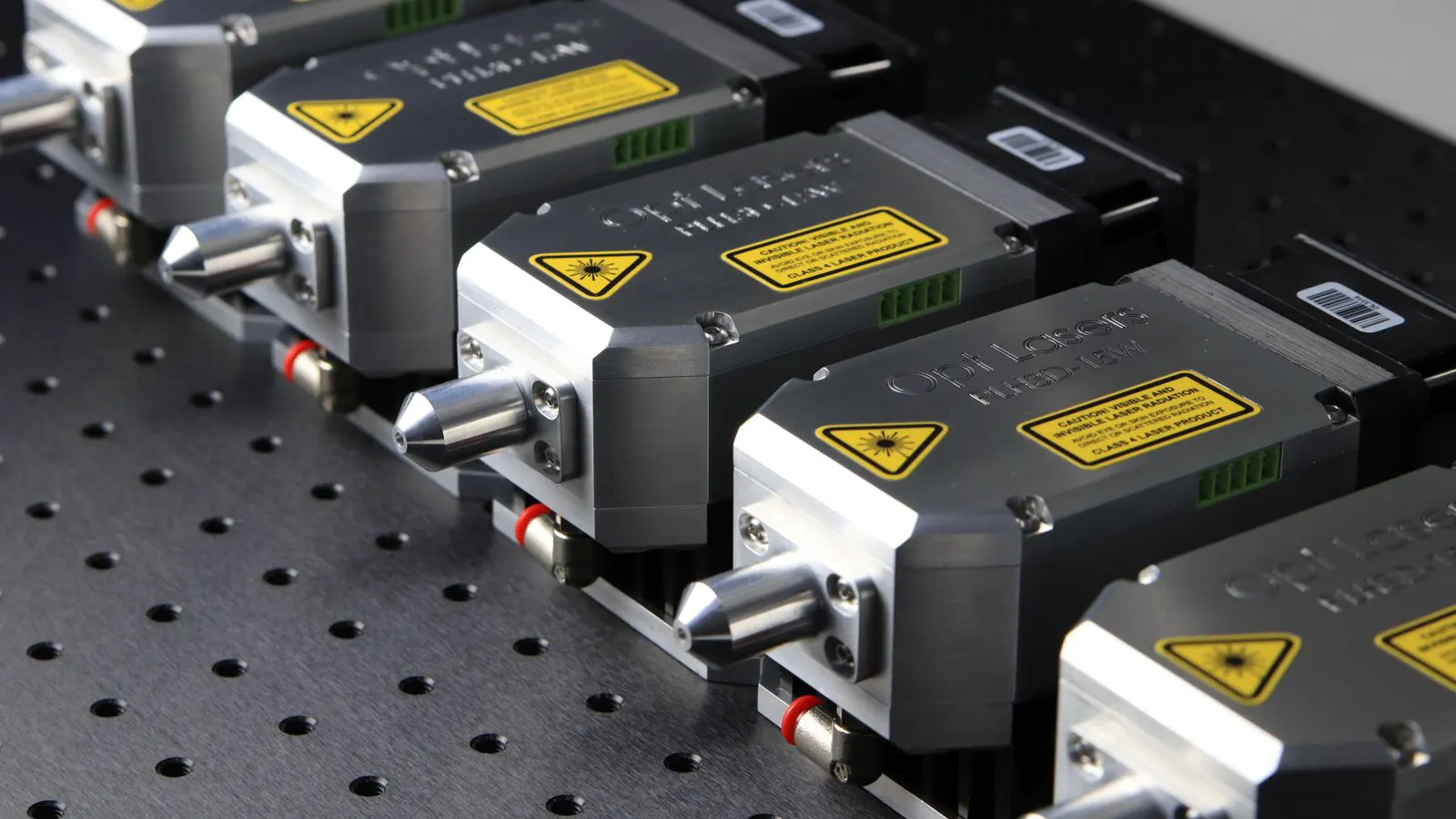
Laser cleaning cost depends on part size, material, and required surface finish. Mechanical scraping is usually cheaper for heavy buildup but slower per part. Lead time varies based on volume and inspection needs.
- Laser cleaning cost scales with part volume and required surface profile, while mechanical scraping often favors high-volume simple jobs.
- Lead time is driven by setup, media handling, and inspection, not just the active cleaning duration.
- A clear RFQ with part drawings and surface profile targets prevents rework and reduces quote variance.
- Compare quotes by total landed cost, including media, disposal, and rework risk, rather than per-part rate alone.
What Drives the Final Price
Laser cleaning cost is rarely a flat rate. The price reflects the energy needed to remove the target material and the time required to achieve the specified surface condition. For a stainless steel bracket with light oxide, the laser pass may be quick. For a cast iron housing with thick scale, the same machine may require multiple passes at higher power.
Mechanical scraping follows a different logic. The cost is tied to labor hours, tool wear, and the physical force required to remove material. A hand scraper on a small flange is low cost but slow. A rotary tool on a large pipe section reduces time but increases operator fatigue and tooling replacement.
Both methods share a common pricing factor: surface complexity. Flat plates are fast. Deep grooves, threaded holes, and undercuts slow every process. The laser head must reach every spot. The scraper must physically fit the geometry. If the part has sharp internal corners, expect a premium on either method.
Material matters too. Soft aluminum responds quickly to both laser and scraper. Hardened tool steel resists scraping and may need higher laser power, which increases energy cost and potential spatter.
How Lead Time Actually Works
Cleaning lead time is not just the time the laser beam is on the part. It includes setup, part positioning, and post-cleaning inspection. For laser cleaning, the operator loads the part, adjusts focus and power, runs the beam, and verifies the surface. For a batch of twenty identical brackets, setup is one-time. For twenty unique castings, setup happens for each part.
Mechanical scraping lead time is labor-bound. One technician may handle a small part in minutes, but a large assembly requires multiple operators or a dedicated station. The bigger risk here is variability. Scraper pressure changes with operator experience. A new technician may take twice as long as a seasoned one to reach the same finish.
Inspection adds the same delay to both methods. If the RFQ requires a surface profile measurement, the part must move from the cleaning station to the metrology lab. For laser cleaning, the surface is often uniform. For scraping, the surface may show directional marks or uneven spots that need rework.
Delivery time also depends on the facility. A local shop with an idle laser table can turn around a small job in a day. A shop with a full queue may take a week. Mechanical shops often have more variable capacity because they rely on skilled operators.
How to Write a Clear RFQ
A vague RFQ leads to a vague quote. The phrase “clean the parts” means different things to different vendors. One may interpret it as light dust removal. Another as removing mill scale to a bare metal finish.
Include these items in every request.
- Part number and quantity per lot
- Material and heat treatment status
- Current surface condition with photographs
- Required surface profile or visual target
- Part dimensions and any protected areas
- Inspection method, if required
- Packaging and delivery date
For laser cleaning, specify the target material to be removed. Oxide, paint, or old plating all require different energy settings. For mechanical scraping, specify the maximum depth of material removal and whether the surface must be flat or only free of debris.
Photographs are non-negotiable. A photo of the “before” state gives the vendor a reference. A photo of a “before and after” sample, if you have one, removes guesswork. This single step reduces quote variance and prevents the vendor from underestimating the job.
How to Compare Quotes Fairly
Do not compare per-part rates in isolation. A quote that looks cheap may hide high setup, low labor efficiency, or a need for rework. A quote that looks expensive may include full inspection, certified disposal, and a guaranteed surface profile.
Ask every vendor to break down the quote into three buckets: labor, consumables, and inspection. Labor covers operator time and machine run time. Consumables cover laser gas, scraper blades, or media. Inspection covers profile measurements and documentation.
Check the waste handling clause. Laser cleaning produces fine particulate that may require special disposal. Mechanical scraping produces larger chips that are easier to manage but may still need environmental review. A vendor that includes disposal in the price is easier to work with than one that bills it separately after the job is done.
Also check the rework policy. If the surface profile falls short, does the vendor re-clean at no charge, or is it billed as a new job? This clause matters more than the initial rate for high-tolerance work.
Cost Drivers at a Glance
The table below summarizes the main variables that move the price and delivery time for both methods.
| Cost Driver | Laser Cleaning | Mechanical Scraping |
|---|---|---|
| Part Geometry | High complexity increases beam time | Complex shapes slow manual or tool work |
| Material | Harder materials need higher power | Harder materials require more force |
| Batch Size | Setup cost spreads over volume | Labor cost rises with volume |
| Surface Target | Tight profile targets increase passes | Deep removal increases tool wear |
| Inspection | Adds metrology time | Adds rework risk |
When Mechanical Scraping Wins
Mechanical scraping is the practical choice for heavy, localized buildup. If a part has a thick layer of rust on a single flange, a scraper can remove it in minutes without risking the surrounding finish. Laser cleaning would work, but the energy cost and setup time may not be justified for a one-off repair.
Scraping also wins for parts that cannot tolerate heat. Some coatings or adjacent components may discolor or degrade under laser exposure. A manual scraper applies no heat at all.
The trade-off is consistency. Scraper marks vary from operator to operator. If the downstream process requires a uniform surface, laser cleaning is usually the safer bet. Scraping is a tool for speed and low cost, not for precision.
When Laser Cleaning Wins
Laser cleaning wins when consistency and repeatability are the priority. A production run of five hundred aluminum housings can be cleaned in a single shift with minimal variation. The operator sets the parameters, loads the parts, and moves on.
It also wins for parts with complex geometry. A laser beam can reach into tight cavities that a scraper cannot access without damaging the part. For aerospace or automotive brackets with internal channels, laser cleaning reduces the risk of trapped debris.
The cost premium is real. A small job with tight tolerances may cost more to laser clean than to scrape by hand. But the premium buys a cleaner surface and a documented process. For critical applications, that documentation is part of the value.
Final Checks Before You Sign
Before accepting a quote, verify three things. First, confirm the vendor has the right equipment for your part size. A small benchtop laser may not handle a large panel. A small scraping station may not handle a heavy casting.
Second, ask for a sample. If possible, have them clean one part and ship it to you. This is the fastest way to verify surface quality without committing to the full batch.
Third, check the lead time against your production schedule. If the quote says five days but your line needs the parts in three, ask for a rush option. Rush work changes the price and the delivery guarantee. Get both in writing.
Laser cleaning cost and mechanical scraping both have clear drivers. The choice comes down to part volume, surface target, and how much consistency you need. Write the RFQ with precision, demand a sample, and compare the full quote, not just the number.
Frequently asked questions
Is laser cleaning more expensive than mechanical scraping?
It depends on part size, material, and required finish. Small, simple jobs are often cheaper to scrape. Large, complex, or high-volume jobs usually favor laser cleaning.
How long does laser cleaning take for a standard batch?
Setup and inspection dominate the timeline. A small batch of identical parts can often be processed in a day or two at a well-equipped shop.
Can mechanical scraping achieve a smooth surface profile?
It can, but the finish is usually directional and operator-dependent. For a uniform profile, laser cleaning or a controlled abrasive process is more reliable.
What information is most critical in an RFQ?
Part dimensions, material, current surface condition, and the exact target finish. Photographs of the "before" state reduce guesswork significantly.
How should I handle waste from these processes?
Ask the vendor to include disposal in the quote. Laser cleaning creates fine particulate, while scraping creates larger chips. Both may require specific handling.