Standards & Testing
Inspection Trends: Digital Surface Finishing Checks
Digital inspection changes how buyers verify finish inspection results. It shifts focus from spot checks to continuous data. Buyers should prepare by updating

Review common surface finishing standards and testing methods to verify finish quality, adhesion, and compliance.
Digital inspection changes how buyers verify finish inspection results. It shifts focus from spot checks to continuous data. Buyers should prepare by updating

The finishing cost outlook depends on base metal, chemistry, waste treatment, and regulatory compliance. This guide breaks down plating costs and coating pricing so you
Specify adhesion testing by defining the method, substrate, coating type, test area, and acceptance limits. Clear requirements prevent disputes and ensure the coating
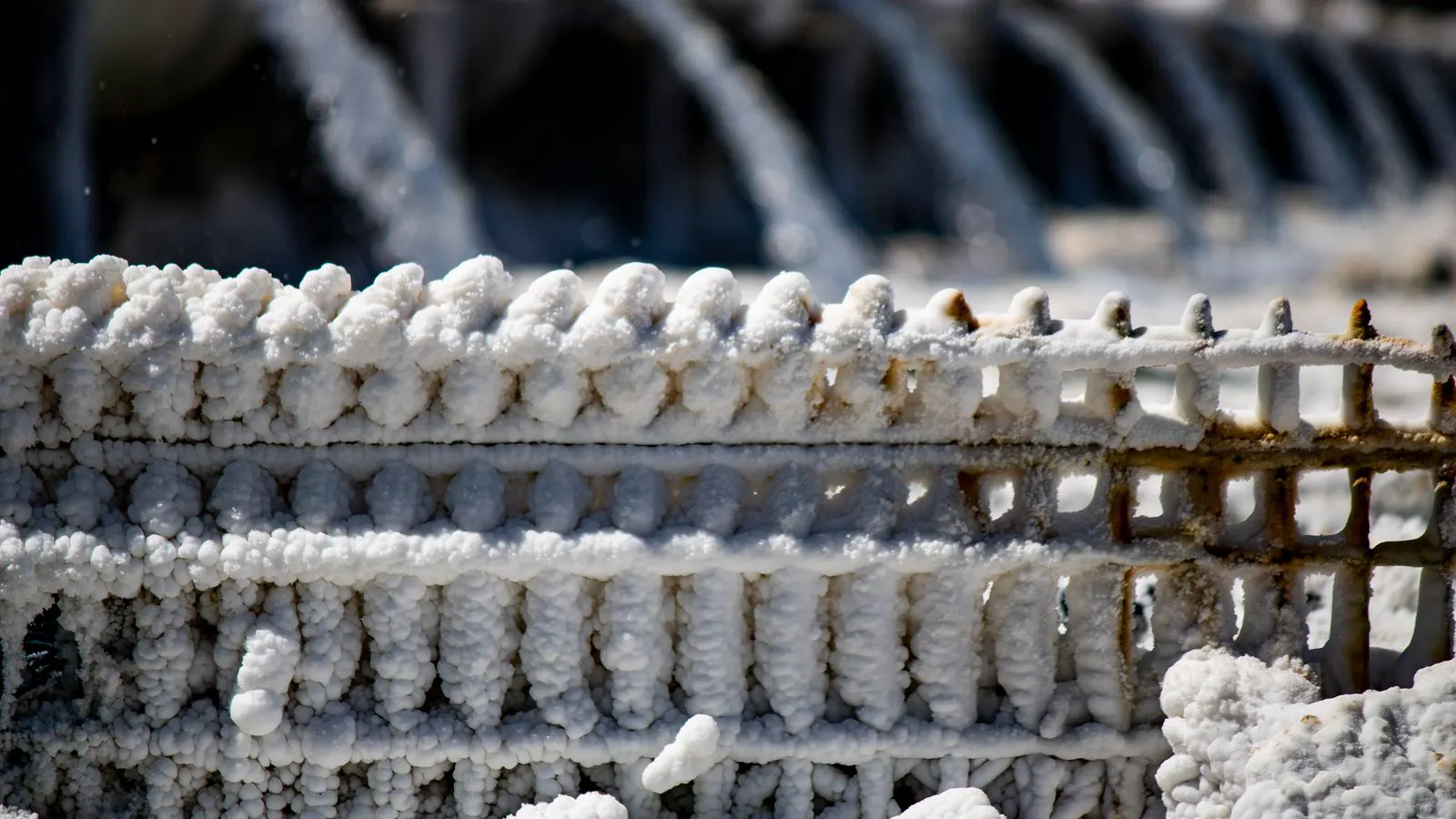
A salt spray test exposes coated parts to salt fog to reveal early corrosion. Failures often stem from poor adhesion, thin films, or defects. This guide explains common

Approve coated metal components by checking visual defects, coating thickness, adhesion, and documentation. This checklist covers physical inspection, technical testing
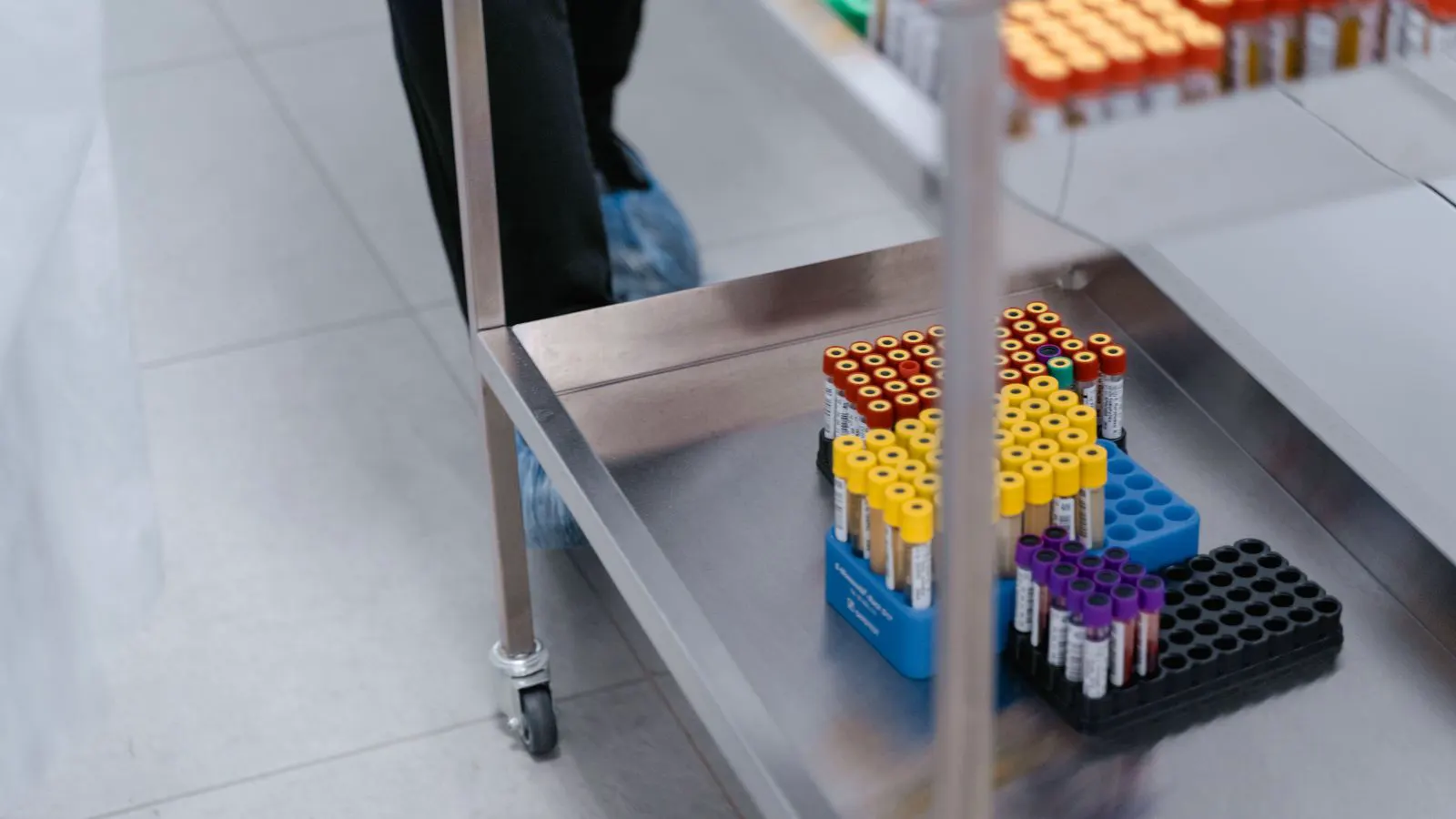
XRF coating analysis is faster and lower cost for routine thickness checks on thin films. Rutherford Backscattering offers higher precision for thicker coatings and

Choose a surface finishing vendor by defining strict acceptance criteria, verifying inspection capabilities, and testing the partner on small batches. Focus on technical

A coating thickness standard sets the minimum and maximum acceptable dimensions for a surface finish. It governs how coatings are measured and inspected during
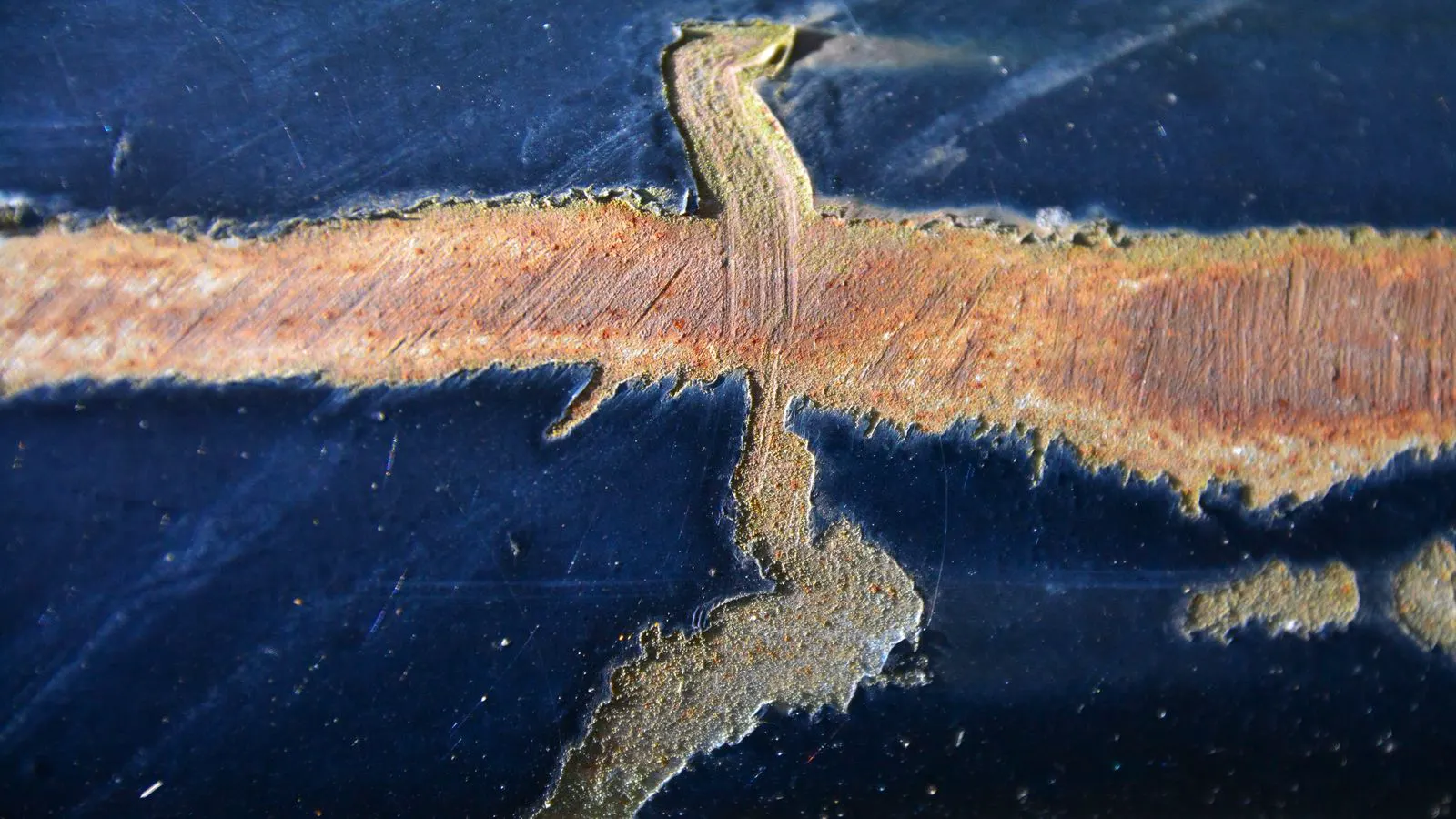
Poor adhesion in electroplating usually stems from contamination, poor surface prep, or plating bath imbalance. This guide lists common symptoms, likely causes, and

The future of sustainable surface finishing involves stricter environmental regulations, digital traceability, and new material standards. Buyers should plan for these
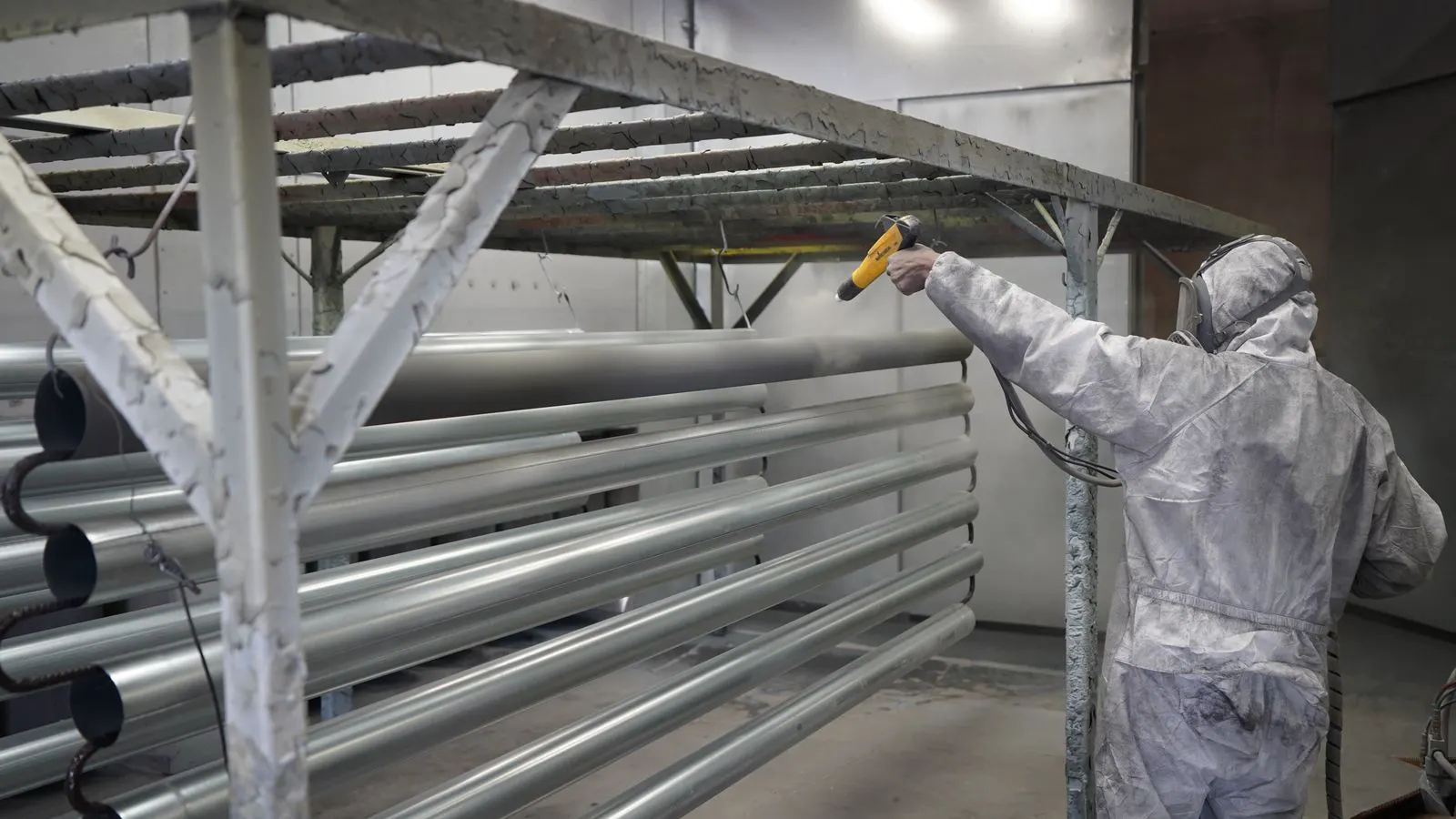
Powder coating cost depends on part geometry, finish thickness, volume, and cure requirements. Lead time is driven by pre-treatment capacity, curing logistics, and

A salt spray test procedure involves preparing coated samples, exposing them to a controlled salt mist chamber, and inspecting results for corrosion. This guide outlines