Cost and Lead Time for Industrial Powder Coating
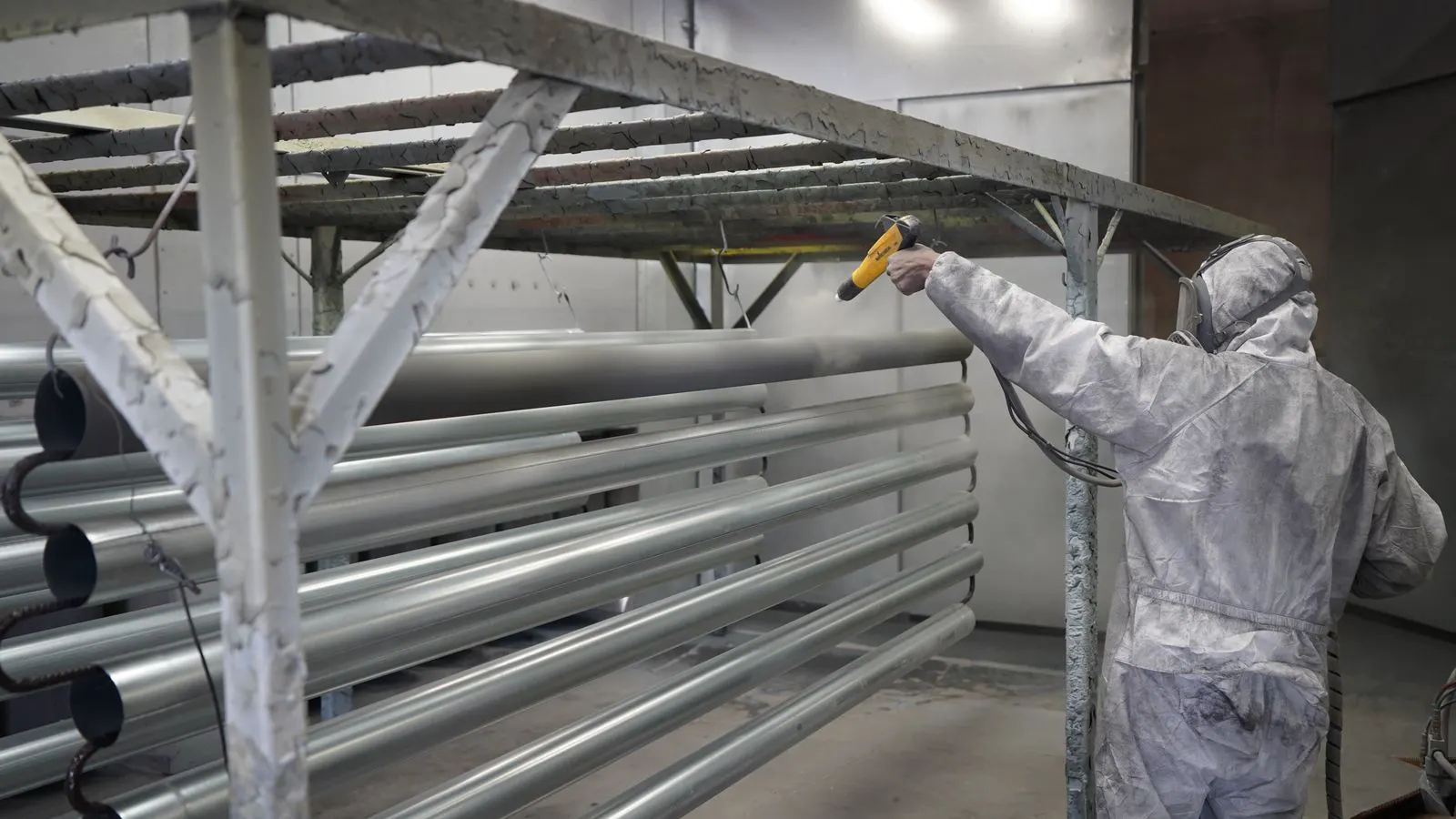
Powder coating cost depends on part geometry, finish thickness, volume, and cure requirements. Lead time is driven by pre-treatment capacity, curing logistics, and inspection standards. A clear RFQ and fair quote comparison reduce surprises and improve delivery predictability for industrial projects.
- Powder coating cost is driven by part complexity, coating thickness, and production volume.
- Lead time depends on pre-treatment, curing, inspection, and logistics.
- A clear RFQ with part geometry and finish specifications improves quote accuracy.
- Fair quote comparison requires the same standards, inspection scope, and coating thickness.
- Include coating inspection in scope to avoid rework and disputes.
Why Powder Coating Cost Varies
Powder coating cost is not a flat per-part number. It changes with part geometry, finish requirements, production volume, and the level of inspection included. A simple flat panel may cost very differently from a complex bracket with internal cavities and sharp edges.
For project planning, it helps to separate direct material cost from process cost. Material cost includes powder resin, pre-treatment chemicals, and curing energy. Process cost includes labor, equipment time, quality control, and logistics.
What Drives Powder Coating Cost
The table below summarizes the main cost drivers.
| Cost Driver | Impact on Price |
|---|---|
| Part geometry | Complex shapes, thin walls, and internal features increase cost |
| Coating thickness | Thicker coats require more powder and longer cure |
| Production volume | Larger batches reduce unit cost through better material use |
| Finish type | Specialty colors and textures may cost more than standard colors |
| Pre-treatment | Cleaner or more aggressive cleaning adds cost |
| Inspection scope | Coating inspection and salt spray testing add labor and equipment time |
Part geometry is often the largest variable. Thin sections can be difficult to cure evenly, and parts with many small holes or recesses may need additional handling or mask time.
Coating thickness matters because it affects powder consumption and cure time. A thicker coat uses more material and may require a longer or hotter cure cycle. If the project requires a specific thickness for corrosion protection or wear resistance, state it clearly in the RFQ.
Production volume also matters. Small job lots may have higher setup and material cost per part. Larger production runs usually allow the supplier to optimize powder mix, cure schedule, and labor, which can lower the unit price.
How Lead Time Is Determined
Lead time is usually longer than buyers expect because powder coating involves several stages. The part must be cleaned, pretreated, coated, cured, and inspected. Each stage has its own capacity limits.
Pre-treatment is a common bottleneck. If the shop has limited cleaning lines, parts may wait for the next available slot. Curing ovens also have capacity limits. If a cure cycle is long or the shop is fully loaded, delivery time increases.
Logistics can add time. If the supplier does not have the part in-house, inbound and outbound shipping must be planned. For international projects, customs and documentation can extend the schedule.
How to Write a Clear RFQ
A clear RFQ improves quote accuracy and reduces back-and-forth. Include part drawings or 3D models with dimensions and tolerances. State the required finish, color, and coating thickness. Specify the quantity and any production schedule.
Also define the inspection scope. If the project requires coating inspection or a salt spray test, state the test method and acceptance criteria. This helps the supplier include the right labor and equipment in the quote.
For example, a strong RFQ might say: “Supplies 500 brackets, 2 mm powder coat in RAL 9005, with salt spray testing to a specified standard. Parts to be delivered in two batches, 250 units each.” This gives the supplier enough information to price and schedule the work.
How to Compare Quotes Fairly
Do not compare quotes based only on price per part. Two quotes can look different but cover the same scope. Check whether the quote includes pre-treatment, powder, curing, inspection, packaging, and shipping.
Compare the coating thickness and cure conditions. A lower price may use a thinner coat or a shorter cure, which may not meet the project’s performance requirements. If the project requires a specific standard, make sure the supplier can meet it.
Also compare the inspection scope. One supplier may include visual inspection only. Another may include thickness measurement and adhesion testing. If the project requires coating inspection to a defined standard, make sure the quote includes that work.
Common Cost and Lead Time Mistakes
One common mistake is to provide only a part image and a desired color. This leaves too many variables for the supplier to guess. The result can be a vague quote or a price increase after the shop sees the actual part.
Another mistake is to ignore the production schedule. If the parts need to be coated in two batches, the supplier may need to schedule two pre-treatment and cure runs. This can affect both cost and lead time.
Finally, do not assume that every supplier uses the same standards. Coating inspection methods, salt spray test durations, and thickness requirements can vary. If the project has performance requirements, define them in the RFQ and in the acceptance criteria.
Planning for Production
For production projects, it helps to create a simple schedule. Identify the part quantity, the finish, the inspection scope, and the delivery date. Then break the schedule into stages: part preparation, pre-treatment, coating, curing, inspection, and shipping.
This makes it easier to identify bottlenecks. If curing capacity is limited, the schedule may need to be extended. If inspection is required, add time for the test and any rework.
A well-planned project reduces surprises and gives the supplier enough information to deliver on time.
Frequently asked questions
What is the biggest factor in powder coating cost?
Part geometry and finish requirements are often the biggest factors. Complex shapes, thin sections, and thicker coats increase material and process cost.
Does powder coating cost increase with thicker coats?
Yes. A thicker coat uses more powder and may require a longer cure. This raises both material and process cost.
How does production volume affect powder coating cost?
Larger volumes usually lower the unit cost because the supplier can optimize material use, curing, and labor.
What should be included in a powder coating RFQ?
Include part drawings or models, finish color, coating thickness, quantity, production schedule, and inspection scope.
How can I compare powder coating quotes fairly?
Compare the same scope: coating thickness, cure conditions, pre-treatment, inspection, and shipping. Do not compare only the price per part.