Passivation & Corrosion
Troubleshooting Passivation Failure on Stainless Parts
Passivation failure on stainless parts usually stems from poor cleaning, weak chemistry, or inadequate exposure time. This guide lists common symptoms, identifies root
Understand passivation and corrosion control practices that protect metals in harsh environments and extend service life.
Passivation failure on stainless parts usually stems from poor cleaning, weak chemistry, or inadequate exposure time. This guide lists common symptoms, identifies root
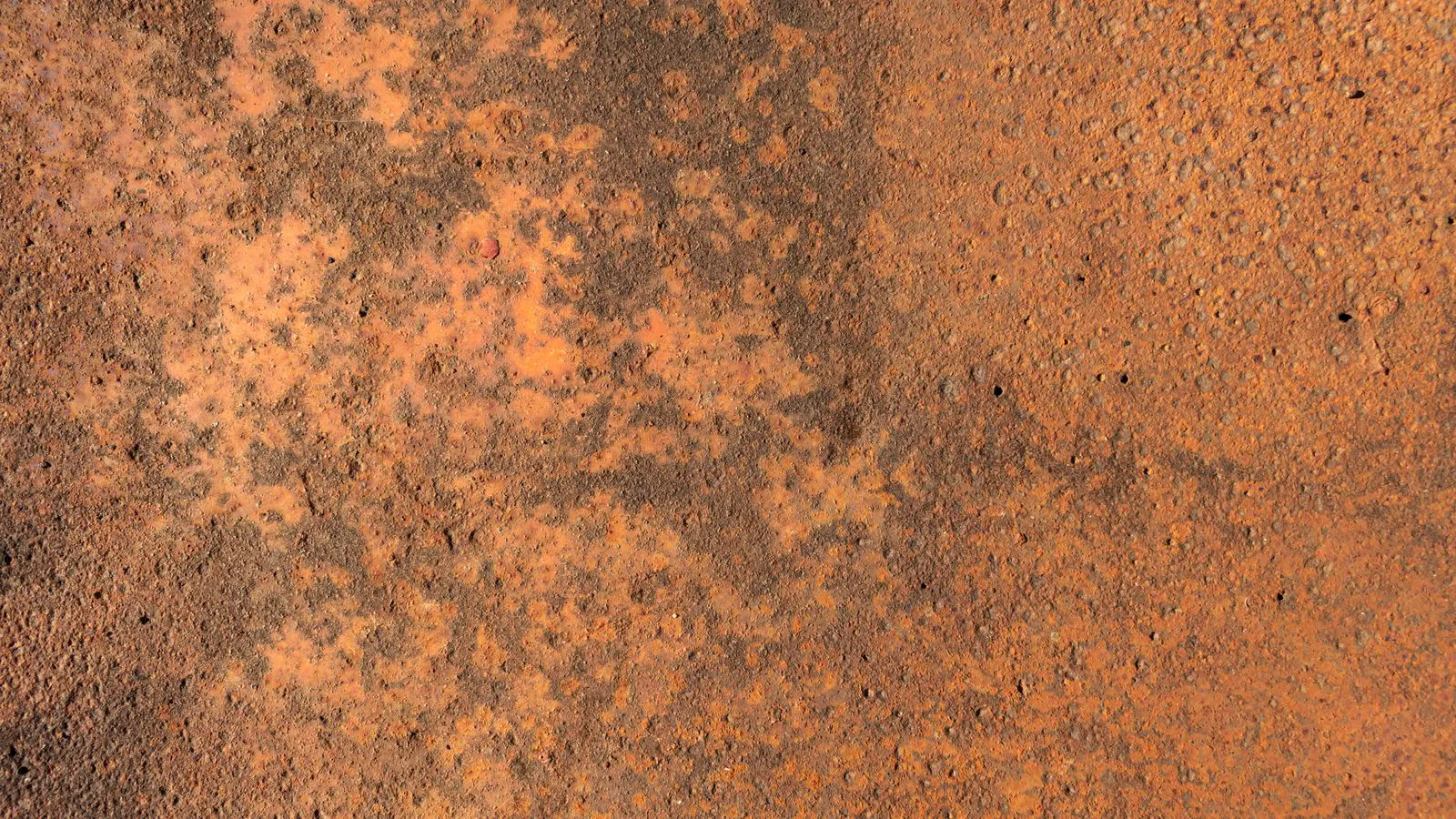
Automated salt spray testing is shifting corrosion verification from manual observation to guided data collection. Procurement leaders should plan for shorter test
Pickling removes contaminants and restores surface appearance, while passivation forms a protective chromium oxide layer. Buyers must choose based on whether the goal is

Engineers can ensure consistent passivation quality by defining chemical, temperature, and verification requirements in their technical documents. A clear specification
Passivation cost for imported parts depends on part size, material grade, volume, and transport distance. Lead times vary based on service capacity and packaging
Salt spray testing measures corrosion resistance over time, while visual inspection checks surface condition quickly. The best method depends on part criticality
Passivation service cost depends on part size, material, chemical type, volume, and logistics. A realistic finishing budget requires clear RFQ details, comparison of
To passivate stainless steel parts before shipment, clean surfaces with a passivation solution, rinse thoroughly with deionized water, dry completely, and inspect for
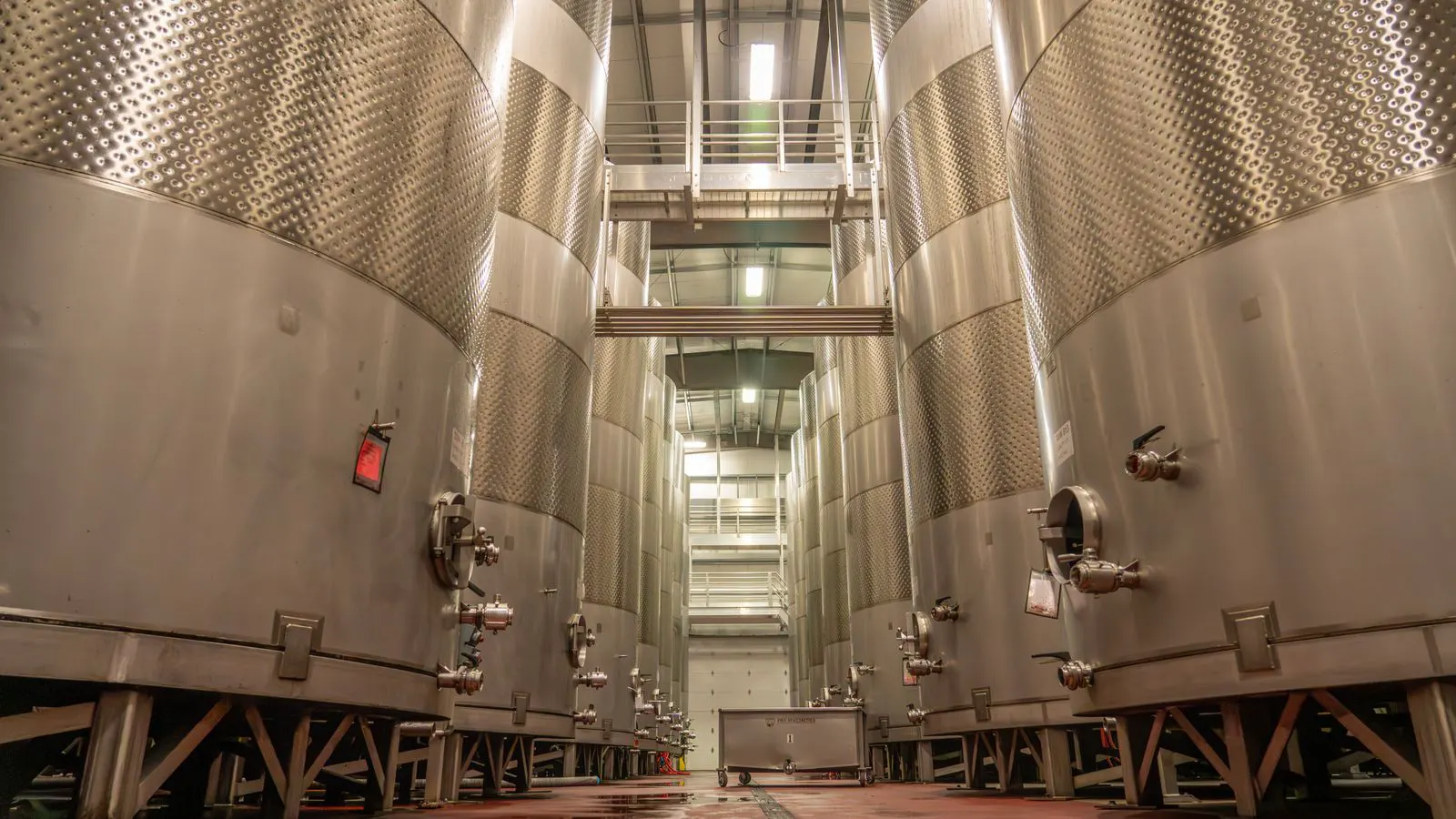
Passivation failure usually stems from surface contamination, incorrect chemistry, or inadequate cleaning. This guide lists common symptoms, likely causes, and specific
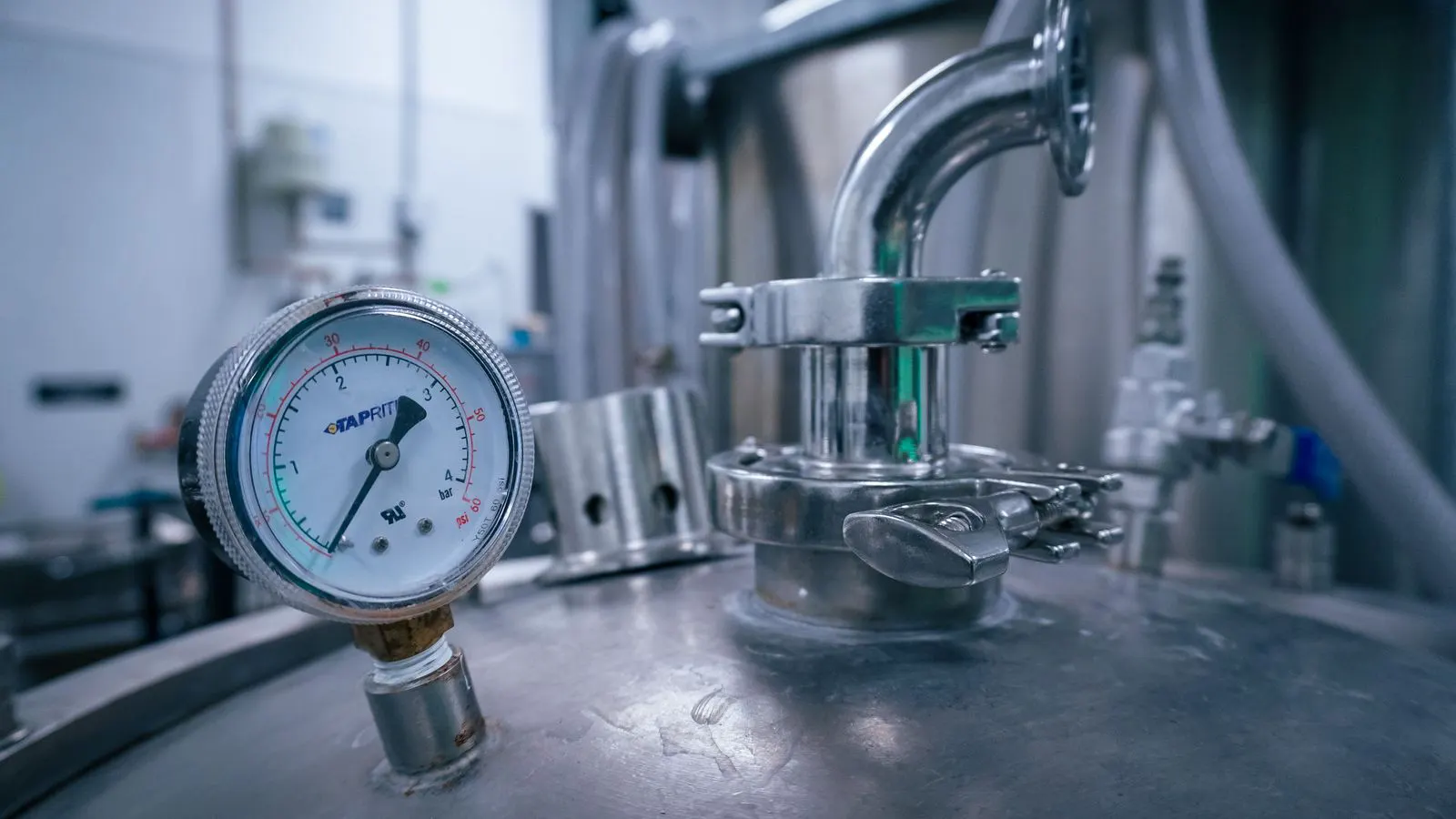
Automated passivation is moving from manual tank work toward closed-loop, sensor-driven systems. Buyers should plan for tighter cycle consistency, better corrosion
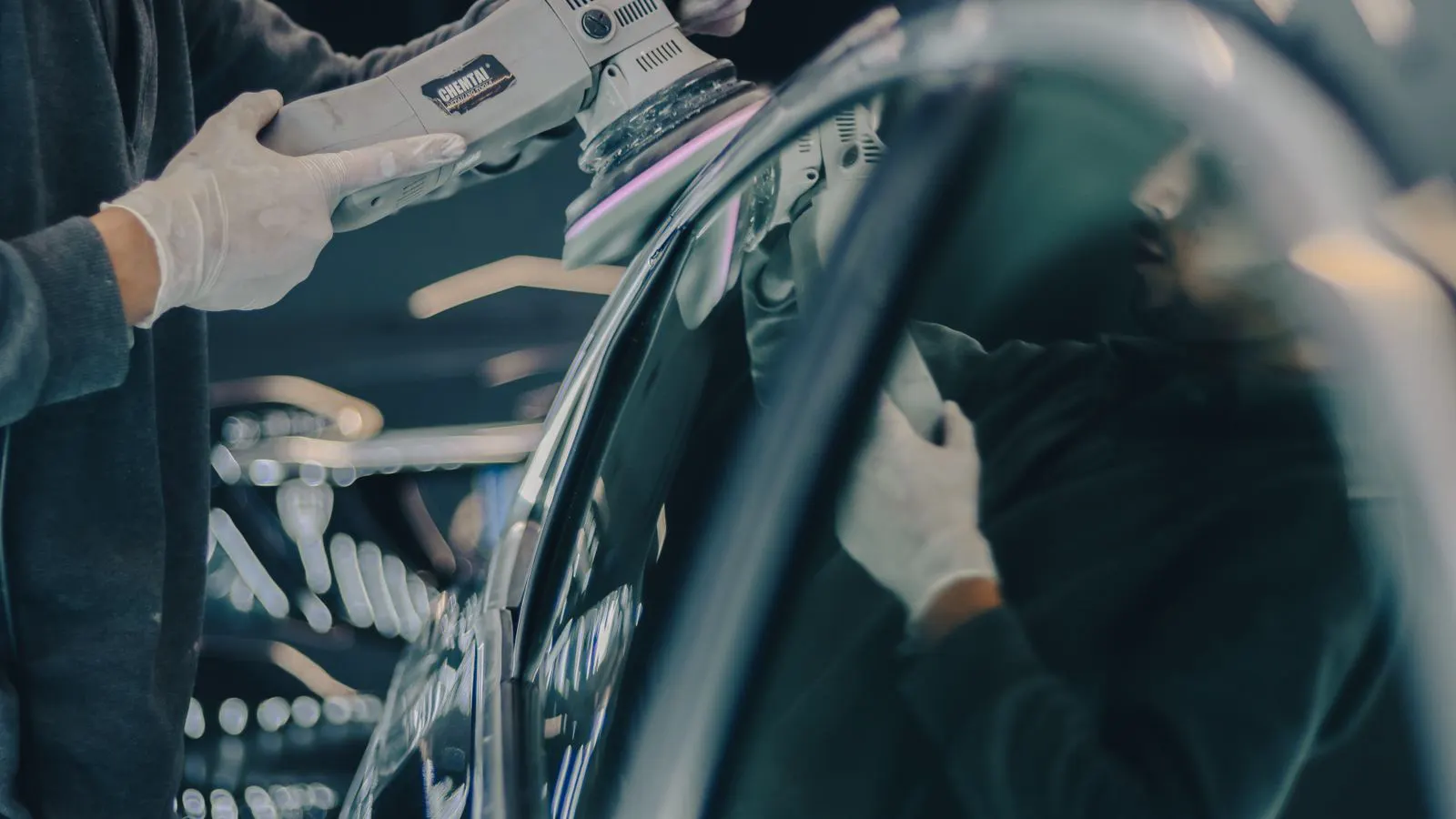
Stainless steel passivation stabilizes chromium oxide, while aluminum passivation enhances the existing oxide layer. The choice depends on alloy grade, environment, and
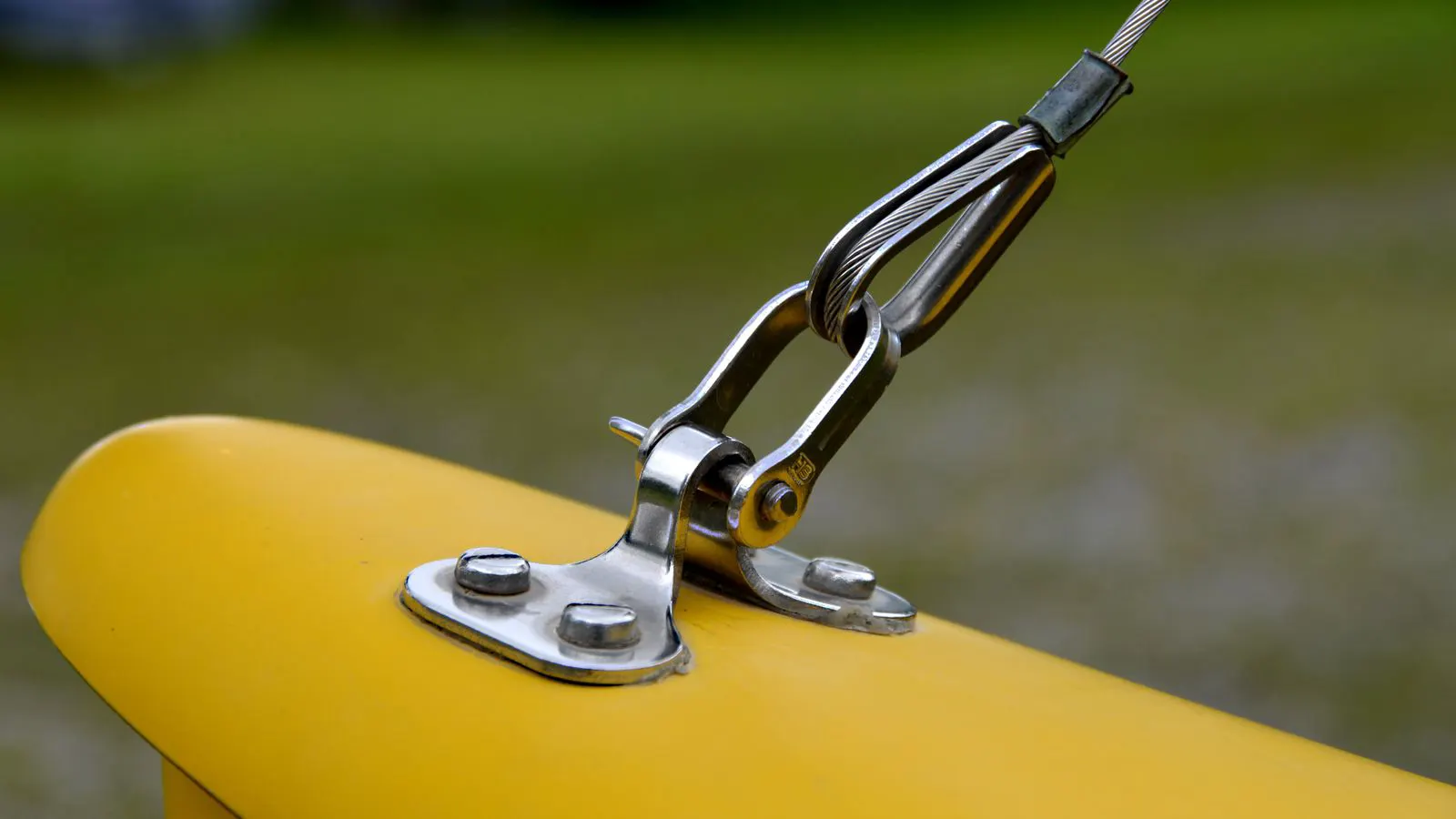
Visual inspection of passivated surfaces involves checking for uniform color, absence of rust, and clean metal. Use a light source, magnifier, and standardized lighting