What Is Powder Coating? A Plain-Language Explainer
Powder coating is a dry metal finishing method where thermoplastic powder is applied to a part and cured in an oven to form a hard coating. It offers durable protection for steel, aluminum, and other metals. Understanding the powder coating process helps buyers compare lead times, costs, and finish quality against liquid paint.
- Powder coating uses dry powder, not wet paint, and cures into a hard film that resists impact, scratches, and chemicals.
- Sourcing decisions depend on surface preparation, part geometry, color options, and minimum order quantities.
- Thickness, gloss level, and powder chemistry affect cost and performance, so specify requirements before requesting quotes.
How Powder Coating Works
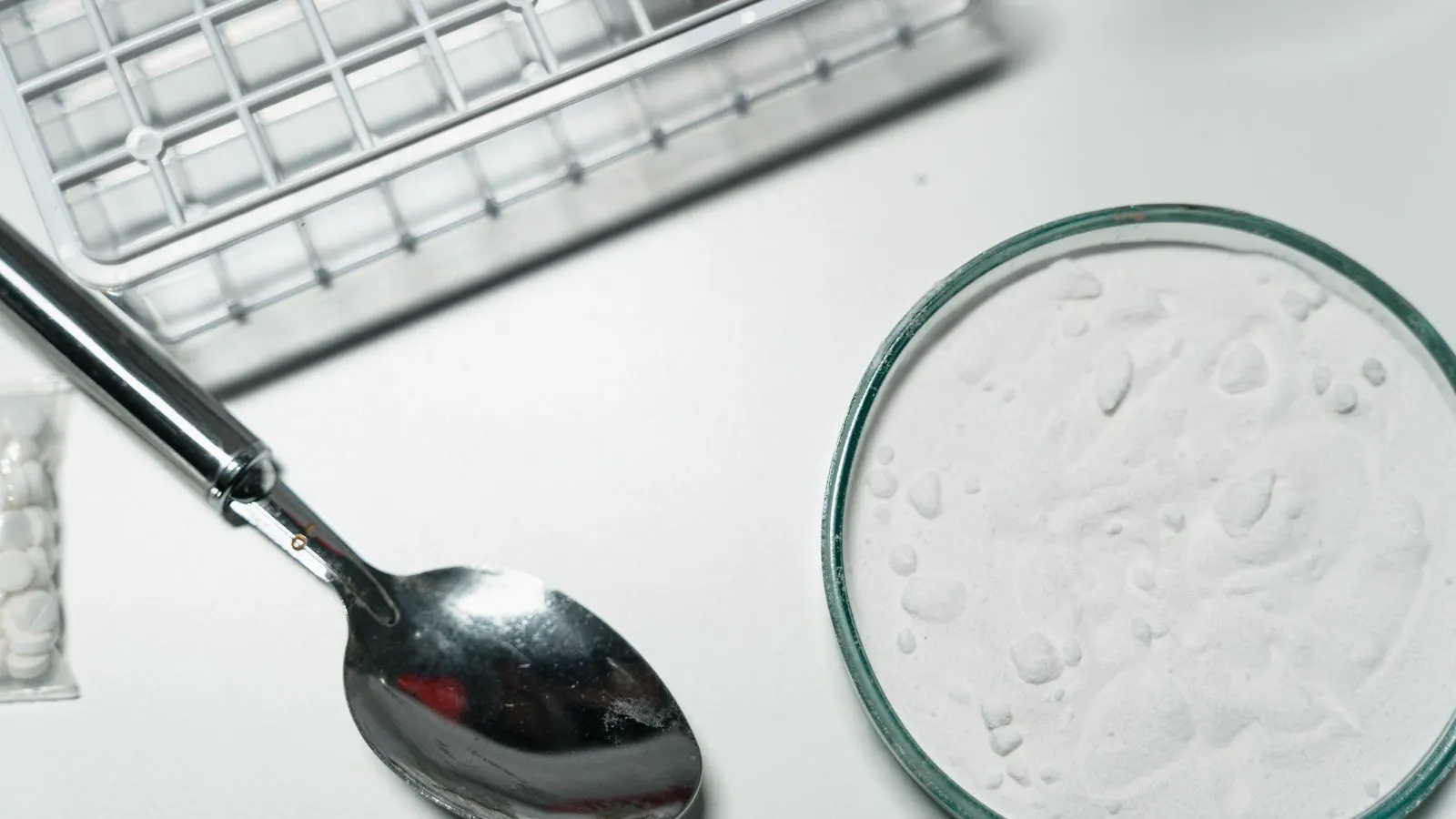
Powder coating is a metal finishing process that applies a dry, free-flowing powder to a prepared surface, then cures it in an oven to form a solid coating. The powder is typically made from a resin, pigments, and additives. It is not a liquid. This difference changes how parts are handled, stored, and quoted.
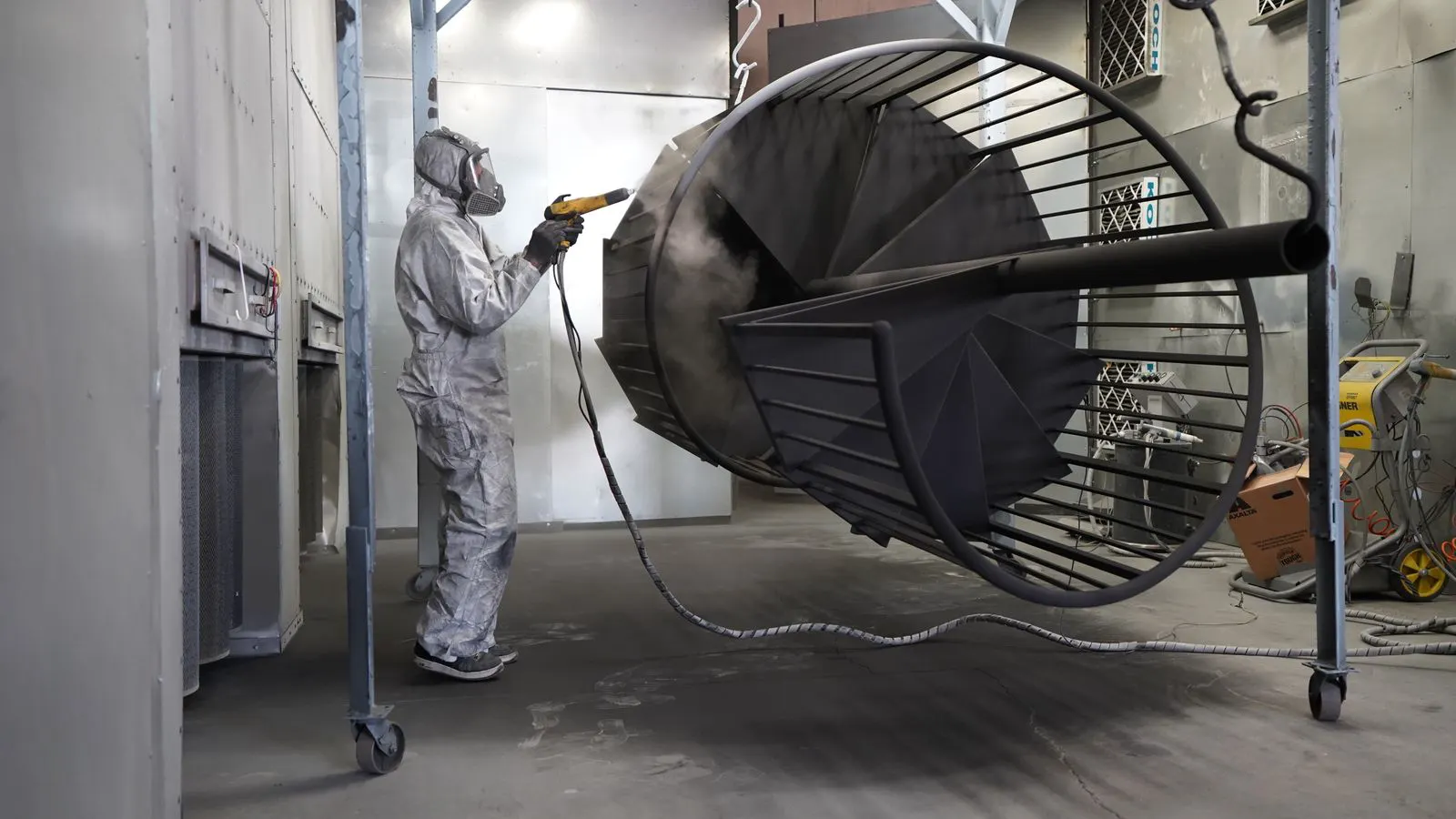
The basic sequence is simple. A part is cleaned, stripped, and etched. It is then dipped, sprayed, or fluidized with powder. The powder temporarily clings to the surface through static charge or direct contact. The part moves into a curing oven, where heat melts the resin and binds the film. The result is a hard, continuous layer.
For buyers, the key question is not just “what is powder coating?” but “how does the powder coating process affect my order?” The answer shapes lead time, cost, and quality. A large flat panel and a small intricate bracket do not move through the same way. The powder coating process overview below shows where sourcing decisions matter.
What Is Powder Coating Made Of
The powder itself is a dry thermoplastic. Most commercial powders are based on epoxy, polyurethane, or a hybrid of both. Epoxy powders are common for general-purpose use because they bond well and cure at moderate temperatures. Polyurethane powders often provide higher gloss and better chemical resistance. Hybrid powders sit between the two.
Pigments determine color. UV absorbers and additives control fade resistance and weather performance. The resin type and additives determine how the powder behaves on the line. A buyer who asks for “standard powder” gets a general-purpose finish. A buyer who specifies a resin system gets a more controlled outcome.
The powder chemistry matters for sourcing. If a part will see outdoor exposure, salt spray, or abrasive use, the resin choice changes the quote. If a part is for indoor furniture, a standard epoxy may be sufficient. The same part can cost more or less depending on the resin, not just the color.
What Happens Before Powder Is Applied
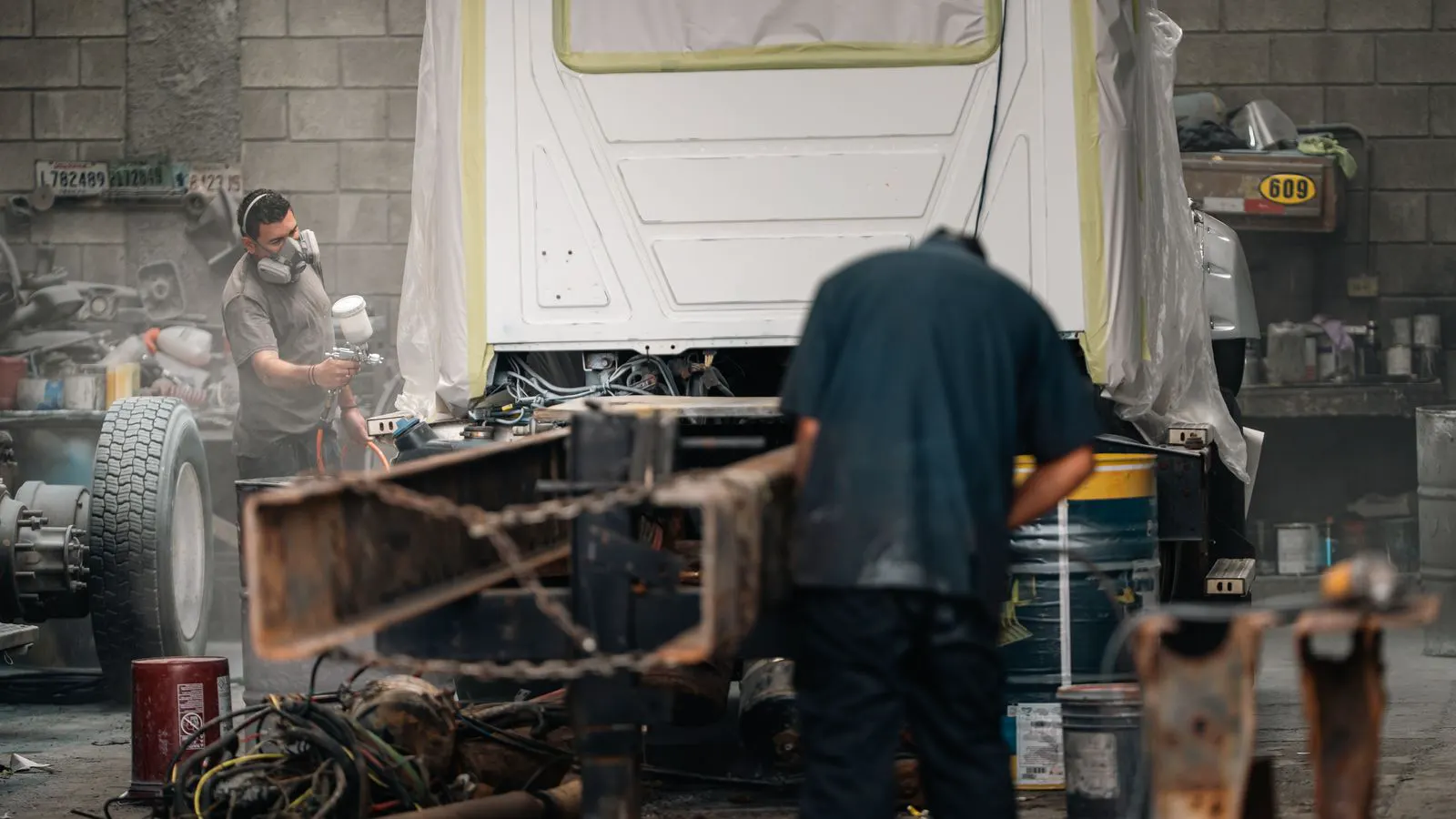
Powder coating is only as good as the surface underneath. Before powder is applied, the part must be clean and free of oils, rust, and loose material. The standard preparation steps are degreasing, chemical etching, and rinsing. Degreasing removes oils from machining, handling, or storage. Etching opens the metal surface slightly so the powder can bond. Rinsing removes the etchant.
This step is where many sourcing problems appear. If a supplier skips thorough cleaning, the coating may peel later. If a part has tight tolerances or intricate channels, cleaning can be difficult. If a part arrives with residue from a previous process, the finish will not hold.
When evaluating a supplier, ask how they prep each part. Do they use automated wash lines? Do they inspect each part before coating? Do they have a separate area for powder application? These details affect yield. A supplier with a controlled prep area reduces rework. A supplier that treats powder coating as a single step may produce more rejects.
For complex parts, prep time drives cost. A part with many recesses, threads, or internal cavities takes longer to clean and coat. A flat plate moves quickly. The powder coating process overview must include prep, not just the spray and oven.
How the Powder Is Applied
There are three main application methods. Spray application uses a gun to apply charged powder to the part. Dip coating submerges the part in a powder bath. Fluidized bed application uses a heated bed of powder where the part is tumbled until coated.
Spray is the most common method for production parts. It gives good control over thickness and can handle complex shapes. Dip is used for smaller, simpler parts or when uniformity is critical. Fluidized bed is often used for small parts or when very even coverage is needed.
The method affects cost and lead time. Spray lines can run continuously. Dip and fluidized bed may be batch processes. A small batch of five parts may be more economical in a fluidized bed. A batch of five hundred parts may move faster through spray.
Thickness is controlled by the operator and the equipment. A standard finish is often in the range of 50 to 100 microns. Thicker coats take longer to cure and cost more. Thin coats may look good but may not protect well. A buyer should specify thickness if the part will see wear or abrasion.
How the Coating Cures
Curing is what turns powder into a coating. The oven raises the temperature until the resin melts and cross-links. Typical cure temperatures are in the range of 350 to 450 degrees Fahrenheit. The exact temperature depends on the powder chemistry.
Cure time is short, often from 10 to 30 minutes. After the part comes out, the film is hard. The coating can usually be handled and inspected immediately.
The cure step affects energy cost and throughput. A supplier with a well-designed oven can run parts continuously. A supplier with a small oven may run batches. Batch size affects lead time. If a supplier has a 24-hour wait for an oven slot, the lead time increases even if the coating itself takes minutes.
For buyers, cure capability is a capacity question. Ask how many parts per hour the supplier can cure. Ask if they have multiple ovens. Ask if the cure profile is controlled by temperature and time. A controlled cure profile reduces defects like soft spots or uneven gloss.
Key Benefits and Trade-Offs
Powder coating has clear advantages over liquid paint. It uses less material because there is no solvent to evaporate. It produces less waste. It forms a thicker, more durable film. It resists chips, scratches, and chemicals better than many liquid finishes.
The trade-offs are also clear. Powder coating is less flexible for very small, complex, or high-mix orders. Color changes can require cleaning the spray gun. Some colors are limited to standard palettes. Custom colors may add setup time or cost. Liquid paint can offer a wider range of finishes, including metallics and low-gloss effects, with less setup.
For importers and new buyers, the choice depends on volume and specification. High-volume standard parts suit powder coating well. Low-volume, highly customized parts may be better served by liquid paint or another finish.
The table below summarizes the main factors that affect sourcing decisions.
| Decision Factor | Effect on Powder Coating Sourcing |
|---|---|
| Part geometry | Complex parts take longer to prep and coat. Flat parts move faster. |
| Color | Standard colors are cheaper and faster. Custom colors add setup and cost. |
| Thickness | Standard coats are economical. Thick coats take longer to cure and cost more. |
| Resin type | Epoxy is general purpose. Polyurethane or hybrid powders add cost for performance. |
| Volume | High volume reduces per-unit cost. Low volume increases per-unit cost. |
A Worked Example
Consider a batch of steel brackets for a machine. The buyer needs a matte black finish, 80 microns of coating, and resistance to workshop dust and light handling. The supplier preps the brackets with a degrease and etch line. They spray matte black epoxy powder. The brackets cure in a standard oven.
The buyer asks three questions. First, what is the lead time? The supplier says two weeks, including prep, coating, and cure. Second, what is the cost? The supplier quotes a per-unit price based on surface area, not weight. Third, what is the finish specification? The buyer specifies 80 microns, matte black, standard epoxy, and a salt spray test if available.
This example shows how the powder coating process drives the quote. The bracket is not just “painted black.” The buyer must define prep, coating method, thickness, resin, and performance. The supplier can then price the order accurately.
For a new buyer, the mistake is to ask for a price on a part without specifying the finish. The answer will vary. A matte black standard epoxy finish is one price. A gloss black polyurethane finish with 100 micron thickness is another. The powder coating process is not a single product. It is a set of variables that must be defined before pricing.
What to Check Before Sourcing
Before you commit to a supplier, check five things. First, surface preparation. Ask how they clean and etch parts. Second, equipment. Ask if they have spray guns, dip tanks, or fluidized beds. Third, oven capacity. Ask how many parts they can cure per hour. Fourth, color range. Ask if your color is standard or custom. Fifth, quality checks. Ask if they inspect thickness, adhesion, and gloss.
A supplier that answers these questions clearly is easier to work with. A supplier that gives vague answers may produce inconsistent results. The powder coating process is straightforward, but the details matter.
For importers, the risk is not the coating itself. The risk is mismatched expectations. If you specify a finish that the supplier cannot control, the cost and lead time will shift. If you specify a finish that the supplier controls well, the order moves smoothly.
Powder coating is a practical choice for many metal parts. It gives a durable finish with less waste than liquid paint. The buyer’s job is to define the finish clearly, ask the right questions, and match the specification to the supplier’s capability. That is how the powder coating process becomes a reliable part of your sourcing plan.
Frequently asked questions
What is the difference between powder coating and liquid paint?
Powder coating uses dry powder that cures in an oven. Liquid paint uses solvents and dries by evaporation. Powder coating typically forms a thicker, more durable film with less waste.
How long does powder coating take?
Curing takes minutes, but the full process includes prep, application, and cure. Lead time depends on part complexity, batch size, and supplier capacity.
Can powder coating be used on all metals?
Yes. It works on steel, aluminum, and many other metals. The surface must be clean and free of oils or rust before coating.
What is a typical coating thickness?
Standard finishes are often in the range of 50 to 100 microns. Thickness should be specified based on the part's use and expected wear.
Is powder coating more expensive than liquid paint?
It depends on volume, color, and specification. High-volume standard parts can be economical. Low-volume or custom finishes may cost more.