Outlook for High-Solids Powder Coating in Industrial Finishing
High-solids powder coating is moving toward lower emissions, better durability, and easier application. Buyers should plan for stricter environmental rules, updated equipment needs, and material testing protocols to secure reliable supply.
- High-solids powder coating is shifting focus to lower emissions, better durability, and easier application.
- Procurement teams should update supplier evaluation criteria to include environmental compliance and technical documentation.
- Equipment upgrades and process testing will be necessary to handle new coating chemistries and reduce defects.
- Sustainability requirements are driving changes in raw material sourcing and waste handling.
- Long-term contracts with technical support help manage the transition to new coating standards.
What is driving the shift in powder coating technology?
The industry has spent the last decade refining standard powder coating for consistent results and predictable performance. The next phase is driven by environmental regulation and customer demand for more sustainable processes. High-solids powder coating sits at the center of this change. It is not a new chemistry, but its role is expanding as manufacturers look for ways to reduce volatile organic compound emissions and improve energy efficiency in finishing lines.
Buyers are starting to see this shift in supplier catalogs and technical data sheets. Coatings with higher pigment and solid content are being positioned as lower waste options. These materials often require less rework and can reduce the number of passes needed on a production line. For procurement teams, this changes how they evaluate a supplier. The question is no longer just about cost per kilogram. It is about total process efficiency and compliance readiness.
The shift is also tied to end-use requirements. Automotive, aerospace, and heavy equipment sectors are pushing for finishes that last longer and resist corrosion better. High-solids formulations are being developed to meet these demands without relying on heavy chemical loads. This creates a dual pressure. Coatings must perform in harsh environments while also meeting stricter environmental standards.
Which coatings are moving toward high-solids formulations?
Several coating systems are seeing increased use of high-solids powder coating. Epoxy systems, which form the base of many protective finishes, are being reformulated to increase solid content. This reduces the amount of liquid carrier or solvent that might be present in hybrid systems. The result is a lower emissions profile and a more concentrated material that can be applied in thicker, more uniform coats.
Polyurethane topcoats are also adapting. These coatings provide hardness, gloss, and chemical resistance. High-solids versions of polyurethane powders are being designed to cure at lower temperatures. This is a significant change for production lines that rely on high-heat ovens. Lower cure temperatures save energy and reduce thermal stress on coated parts. This is particularly relevant for parts that are sensitive to heat distortion.
Hybrid coatings, which combine epoxy and polyurethane, are another area of growth. These systems offer a balance of adhesion and surface durability. High-solids hybrids are being developed to reduce the overall environmental footprint while maintaining the performance characteristics that buyers expect. The challenge is formulation. High-solids systems can be more sensitive to application parameters. They require careful control of film thickness, oven profile, and cure time.
How will environmental regulation shape future procurement?
Regulatory pressure is one of the strongest forces shaping the future of industrial finishing. Governments and industry bodies are tightening rules on emissions from manufacturing processes. This is not a future concern. It is already influencing supplier requirements and customer specifications. High-solids powder coating is being viewed as a way to reduce the environmental impact of finishing operations.
Buyers should expect to see more documentation requirements from suppliers. Technical data sheets will need to include emissions data, waste handling guidelines, and compliance certifications. Procurement teams will need to update their supplier evaluation criteria to include these items. A supplier that can provide clear environmental documentation will have an advantage. A supplier that cannot may struggle to meet new customer requirements.
Waste management is also changing. High-solids coatings can reduce overspray and rework, which lowers waste volume. However, the handling of these materials may require different storage and disposal practices. Buyers should review their waste contracts and ensure their facilities are equipped to handle the specific types of waste generated by high-solids systems. This includes checking with local environmental agencies about permitted disposal methods.
What equipment changes should buyers plan for?
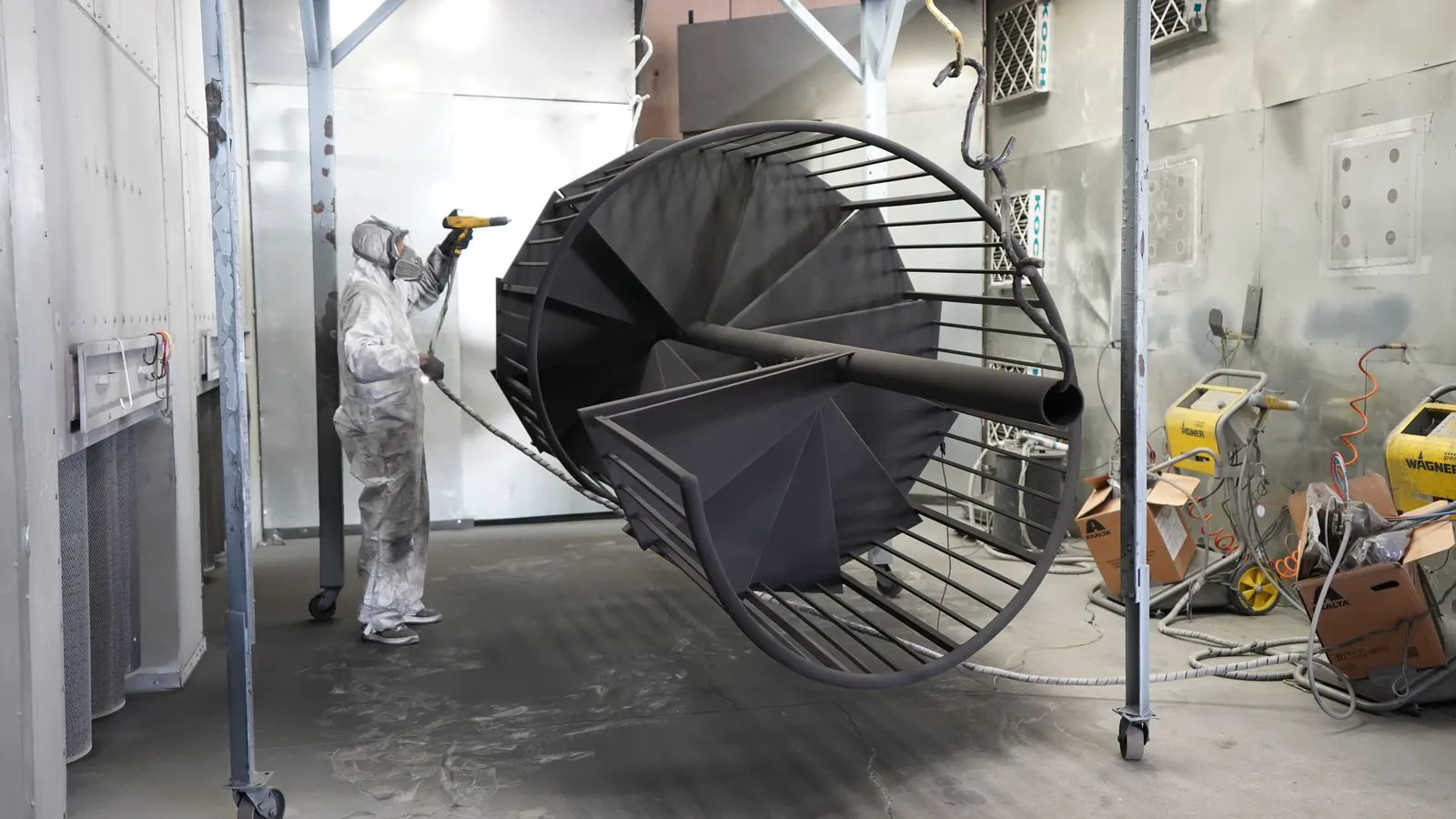
A shift to high-solids powder coating is not just about buying a new material. It affects the entire finishing line. Application equipment may need adjustment. High-solids systems can have different flow characteristics and require precise control to ensure even coverage. Buyers should plan for potential upgrades to spray guns or electrostatic application systems.
Cure ovens are another area of change. As noted, high-solids coatings are often formulated to cure at lower temperatures. This means ovens may need to be reprogrammed or, in some cases, redesigned. Lower cure temperatures can also affect the thermal profile of the oven. Buyers should consult with equipment suppliers to understand the implications for their specific production line.
Quality control will need to be updated. High-solids coatings can be more sensitive to film thickness and cure time. Buyers should invest in testing equipment that can measure these parameters accurately. This may include thickness gauges, cure testers, and adhesion test rigs. The goal is to catch defects early and reduce rework.
How should buyers evaluate suppliers for high-solids coatings?
Supplier selection is a critical part of the transition to high-solids powder coating. Buyers should look for suppliers who are actively developing and testing high-solids formulations. This includes checking their R&D capabilities, technical support, and track record with similar customers. A supplier that has experience with high-solids systems will be better equipped to help buyers troubleshoot issues and optimize their process.
Buyers should also assess the supplier’s ability to provide technical documentation. This includes safety data sheets, technical data sheets, and environmental compliance reports. A supplier that can provide this information clearly and quickly will save buyers time and reduce risk. Inability to provide documentation can be a sign of a supplier that is not ready to meet new regulatory requirements.
Another factor is the supplier’s willingness to work with buyers on process development. High-solids coatings often require changes to application and cure parameters. A good supplier will have application engineers or technical specialists who can help buyers optimize their process. This level of support is valuable, especially during the transition period.
What are the risks and how can buyers mitigate them?
The transition to high-solids powder coating carries some risks. One risk is the potential for application defects. High-solids systems can be more sensitive to application parameters, which can lead to issues like poor adhesion, orange peel, or cure failures. Buyers can mitigate this risk by investing in proper training and testing. They should also work closely with suppliers to establish application guidelines.
Another risk is supply chain disruption. As the industry shifts to high-solids formulations, some suppliers may be slow to adapt. This can lead to shortages or delays in delivery. Buyers can mitigate this risk by diversifying their supplier base and maintaining strategic inventory of critical materials. They should also monitor supplier financial health and production capacity.
A third risk is regulatory non-compliance. If buyers do not keep up with changing environmental regulations, they may face fines or operational restrictions. Buyers can mitigate this risk by staying informed about regulatory changes and working with suppliers who are compliant. They should also review their own environmental compliance procedures regularly.
How to prepare your organization for the shift
Preparing for the shift to high-solids powder coating requires a coordinated effort across procurement, operations, and quality. Buyers should start by reviewing their current coating specifications and identifying where high-solids systems could be applied. This may involve piloting new coatings on a small scale and measuring performance before scaling up.
Procurement teams should update their supplier evaluation criteria to include environmental compliance and technical support. They should also negotiate contracts that include technical assistance and performance guarantees. This will help manage the risks associated with the transition.
Operations teams should review their equipment and process parameters to ensure they are ready for high-solids coatings. This may involve upgrading application equipment, reprogramming ovens, and updating quality control procedures. Training will be essential to ensure that operators understand the new materials and processes.
Quality teams should develop testing protocols for high-solids coatings. This includes establishing benchmarks for film thickness, cure time, adhesion, and durability. They should also monitor the performance of high-solids coatings in the field and gather data to support future decisions.
Comparison of coating system options
The table below compares common coating systems used in industrial finishing, focusing on their environmental profile, performance characteristics, and suitability for high-solids formulation.
| Coating System | Environmental Profile | Performance Characteristics | Suitability for High-Solids Formulation |
|---|---|---|---|
| Epoxy | Moderate | High adhesion, good chemical resistance, lower flexibility | High |
| Polyurethane | Moderate | High hardness, good UV resistance, chemical resistance | High |
| Hybrid Epoxy/Polyurethane | Moderate | Balanced adhesion and surface durability | High |
| Acrylic | Lower | Good UV resistance, moderate chemical resistance | Moderate |
| Silicone | Lower | High temperature resistance, flexible | Low |
Final considerations for long-term success
The shift to high-solids powder coating is not a one-time change. It is a continuous process of adaptation. Buyers should view it as an opportunity to improve their finishing processes, reduce environmental impact, and enhance the performance of their coated products.
Success will depend on a combination of factors. This includes selecting the right suppliers, investing in equipment upgrades, and developing internal capabilities. Buyers who take a proactive approach to the transition will be better positioned to meet customer demands and regulatory requirements.
The key is to start now. Review your current processes, identify areas where high-solids coatings could be applied, and begin the conversation with your suppliers. The industry is moving in this direction, and those who prepare will be the ones who thrive.
Frequently asked questions
What is the main advantage of high-solids powder coating?
High-solids powder coating reduces emissions and waste by increasing the solid content of the material. This leads to a lower environmental impact and potentially lower process costs.
Will high-solids powder coating require new equipment?
Some equipment upgrades may be necessary, particularly for application systems and cure ovens. Buyers should consult with equipment suppliers to determine the specific changes needed for their production line.
How can buyers ensure regulatory compliance with high-solids coatings?
Buyers should work with suppliers who provide clear environmental documentation and compliance certifications. They should also review their waste handling procedures and consult with local environmental agencies.
What are the main risks of transitioning to high-solids powder coating?
The main risks include application defects, supply chain disruption, and regulatory non-compliance. Buyers can mitigate these risks through proper training, supplier diversification, and staying informed about regulatory changes.
How long does it take to implement high-solids powder coating?
The timeline depends on the complexity of the production line and the level of equipment upgrades required. A pilot project can help identify specific needs and reduce the risk of a full-scale transition.