Buyers Guide to Sourcing Custom Powder Coating Colors
Sourcing custom powder coating colors requires clear specifications, sample approvals, and supplier capability checks. This guide explains how to define requirements, verify color matching, and select suppliers who can deliver consistent finish quality across production runs.
- Define exact color requirements using references, codes, and approved samples before contacting suppliers.
- Verify supplier capability in color matching, batch consistency, and technical support for your specific substrate and environment.
- Build specifications that cover application method, film thickness, gloss, and environmental conditions to avoid rework.
- Use a structured evaluation table to compare suppliers on technical support, lead time, and quality controls.
- Confirm final approval with physical samples before committing to a full production run.
Start With the Right Color Reference
Selecting powder coating colors for a production job begins before you call a supplier. If you send a vague description like “dark blue” or “industrial gray,” you will get multiple interpretations and a long approval cycle. Engineers and buyers save time when they anchor the request to a tangible reference.
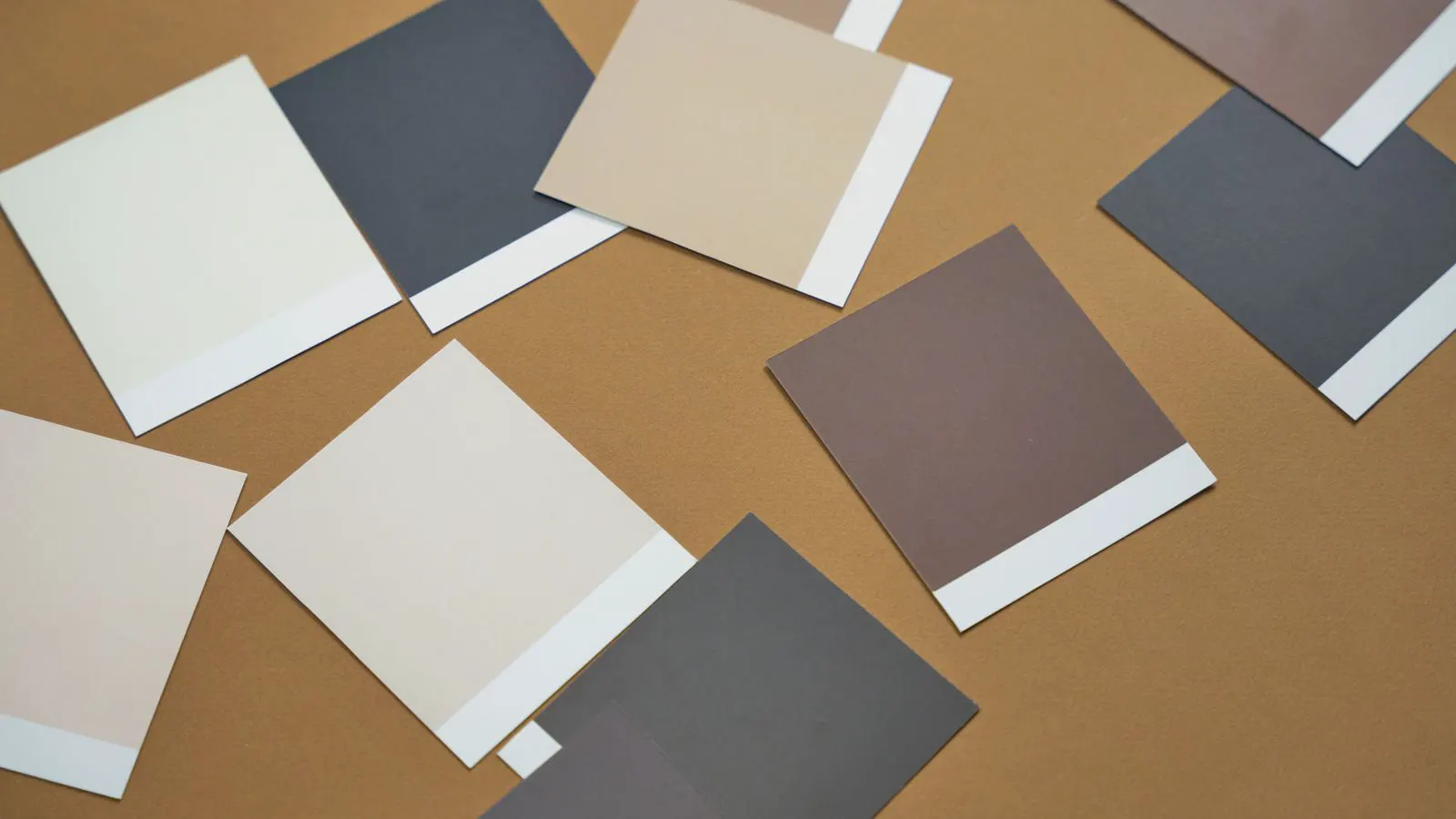
Use a standard color code when available. Many powder coating manufacturers maintain their own libraries, and some reference common standards used across the coating industry. If you are working with a specific product line, check whether the OEM or design team has an approved Pantone, RAL, or supplier-specific color number. If not, create a physical sample from a finished part or a coated test coupon.
Photographs are helpful for initial conversations, but they are not reliable specifications. Screen calibration, lighting, and camera settings change perceived color. A photo of a gloss black panel looks different from a matte black panel under daylight versus fluorescent light. For final approval, always rely on physical samples viewed under controlled lighting, ideally a D65 light source, which simulates standard daylight.
Define the Finish Attributes Beyond Hue
Color is only one part of the finish. The same hue can look very different depending on gloss level, texture, and application method. Specify the surface appearance in your request.
Gloss is measured in units called “gloss units” or “GU” and describes how much light reflects off the surface. A high-gloss finish will show scratches and orange peel more clearly. A matte finish hides minor surface imperfections but can be harder to clean and more prone to chalking in outdoor environments. Specify the target gloss range, such as 35 GU to 45 GU for a low-gloss industrial finish.
Consider the texture. Some finishes use a smooth, flat texture. Others use a textured or “orange peel” finish that adds durability and hides surface defects. The texture affects how the color appears, especially on curved or complex geometries. If your part has thin walls, sharp edges, or a complex shape, the powder will flow differently on those features, which can create color variations even with the same batch.
Application method matters. Most powder coating is applied via electrostatic spray. Some finishes are applied through fluidized bed or thermal processes for specific substrates. The method affects film thickness, cure profile, and final appearance. State the preferred application method in your specification if it is critical to the finish.
Build a Clear Specification Document
A specification document is the contract between your design intent and the supplier’s execution. It should be detailed enough to avoid ambiguity but flexible enough to allow for normal manufacturing variation.
Include the following elements in your spec:
- Color reference: Color code, sample part number, or approved sample ID.
- Substrate: Material type, such as steel, aluminum, or coated substrate, and surface preparation method.
- Film thickness: Minimum and target dry film thickness in mils or microns.
- Gloss target: Specific GU value or range.
- Texture: Smooth, textured, or patterned, with a reference if available.
- Environmental exposure: Indoor, outdoor, chemical exposure, or temperature range.
- Application method: Electrostatic spray, fluidized bed, or other.
- Acceptance criteria: How you will verify the finish, including sample approval process and inspection standards.
Do not leave gaps. If you do not specify film thickness, the supplier may apply a minimum thickness that meets coating standards but does not meet your durability expectations. If you do not specify gloss, a supplier may default to a standard gloss that does not match your design intent. Every unspecified variable becomes a negotiation point later.
Evaluate Suppliers on Capability and Consistency
When sourcing custom powder coating colors, supplier capability is the deciding factor. A supplier with a large color library is not automatically the best choice. You need a supplier who can match your specific shade, maintain consistency across batches, and support your production timeline.
Use the criteria table below to evaluate potential suppliers. This framework helps you compare options objectively rather than relying on a single sales call.
| Criterion | What to look for | Why it matters |
|---|---|---|
| Color matching accuracy | Ability to match Pantone, RAL, or custom samples with minimal visual delta | Reduces approval cycles and ensures the finish meets design intent |
| Batch consistency | Documented process controls for powder mixing, curing, and application | Prevents visible color shifts between production lots |
| Technical support | Access to coating engineers for substrate preparation, application, and troubleshooting | Helps solve problems before they become costly rework |
| Sample turnaround time | Lead time for initial samples and approved production samples | Affects project schedule and allows time for internal review |
| Quality documentation | Coating test reports, film thickness measurements, and cure records | Provides traceability and supports warranty or audit requirements |
| Capacity and lead time | Production capacity for your volume and realistic lead times | Ensures the supplier can meet your delivery commitments |
Pay attention to how the supplier handles color matching. Some suppliers can match a standard color quickly but struggle with custom shades that fall outside their common palette. Ask how many custom colors they have developed for clients in your industry. Request a sample of a previously matched custom color that is close to your target. This gives you a realistic view of their matching capability.
Batch consistency is a separate issue from initial matching. A supplier may match your color perfectly on the first sample but shift slightly in the second batch. Ask about their process controls. Do they monitor powder lot numbers, cure temperature, and application parameters? Do they hold a sample from each production lot for your reference? If they do, it shows a disciplined approach to quality.
Manage the Sample and Approval Process
The sample process is where most color disputes begin and end. Structure it clearly to avoid surprises.
Request a physical sample before any production work. The sample should be applied to a substrate that matches your production material. If you are coating aluminum, the sample should be aluminum, not steel. Surface preparation changes how the powder bonds and how the color appears.
Approve the sample under controlled lighting. View it in the same lighting conditions where it will be used, if possible. Compare it to your reference sample at the same time and angle. Do not approve a sample under a single light source if the part will be exposed to multiple lighting conditions.
Document the approval. Sign off on the sample with a reference number, date, and your name. Keep a physical copy of the approved sample in your facility. If the supplier ships a production lot and you find a color shift, the approved sample is your baseline. Without it, you are arguing from memory and photographs, which is a weak position.
Set a tolerance window. Even with good process controls, minor variation is normal. Agree on an acceptable range of color shift, gloss variation, and texture before production starts. This prevents a supplier from being penalized for a difference that is within normal manufacturing tolerance.
Plan for Production and Re-Orders
Once the finish is approved, the work is not done. Production runs involve multiple batches, and re-orders months later require the same color. Plan for this from the start.
Ask the supplier to retain the approved powder lot or a master batch formula for your project. If they do not retain the lot, ask how they will re-match the color from a reference sample. Some suppliers can re-match from a physical sample with high accuracy. Others require a retained powder lot for exact consistency.
Store your reference sample properly. Keep it away from direct sunlight and extreme temperatures. UV exposure and heat can fade or change the color over time. If your project will be in storage for an extended period, consider storing the sample in a light-tight container.
Communicate any design changes early. If you adjust the part geometry, substrate material, or environmental exposure, the finish may need to be re-evaluated. A color that works well on a flat steel panel may not perform as expected on a textured aluminum surface. Update the specification and re-approve a sample if significant changes are made.
Check Your Work Before You Commit
Use the decision checklist below before you finalize a supplier and start production. This checklist ensures you have covered the critical points and reduces the risk of costly rework.
- I have a physical reference sample or an approved color code for the finish.
- I have specified gloss, texture, and film thickness in the document.
- I have identified the substrate and surface preparation requirements.
- I have evaluated at least two suppliers using the capability table.
- I have received and approved a physical sample on the correct substrate.
- I have documented the approval with a reference number and date.
- I have agreed on acceptable tolerance ranges for color and gloss.
- I have confirmed the supplier can retain the powder lot or re-match the color for future orders.
- I have stored a reference sample in a protected location.
- I have a clear process for approving any changes to the specification.
If any of these items are incomplete, pause before committing. It is easier to fix a specification now than to manage a color dispute after the parts are on the floor.
Keep Documentation for Future Support
Color issues are rarely just about the powder. They involve substrate preparation, application, curing, and environment. Keep a complete file for each project. Include the specification, approved samples, supplier test reports, and correspondence.
This documentation serves two purposes. First, it supports your quality records if a client or regulator requests traceability. Second, it makes re-orders and design updates much simpler. When you call the supplier six months later to add a new part or change a feature, you can reference the approved file and start the conversation from a known baseline.
Treat the color specification as a living document. If you find a minor issue in production, such as a slight gloss variation on a curved edge, record it and agree with the supplier on how to handle it. If you do not document the exception, the next production lot may not match the exception you accepted last time.
Final Thoughts
Sourcing custom powder coating colors is a controlled process, not a creative one. The best results come from clear specifications, physical samples, and suppliers with documented process controls. You do not need the largest color library or the longest list of awards. You need a supplier who can match your shade, hold it through production, and support you when the finish needs to be re-ordered.
Start with the reference. Define the finish attributes. Build the specification. Evaluate suppliers on capability, not just availability. Approve samples under controlled conditions. Keep your documentation organized. These steps will save time, reduce rework, and give you confidence that the finish on the final part matches the one on the approval sample.
Frequently asked questions
Do I need to provide a physical sample for custom powder coating colors?
Yes. Physical samples are the most reliable way to define and approve a custom color. Photographs and color codes are useful for initial reference but do not account for surface texture, gloss, and lighting variations.
How close can a supplier match a custom color?
Most suppliers can match a custom shade very closely, but exact matching depends on the color complexity and the supplier's process controls. Always request a sample on your actual substrate for final approval.
What is the difference between a matte and gloss powder coating finish?
Gloss is measured in GU units and indicates light reflection. High-gloss finishes show surface defects more clearly, while matte finishes hide them but may be harder to clean and more prone to chalking outdoors.
Can I use a standard color code like RAL or Pantone for custom powder coating?
Yes, if the supplier carries that standard in their powder coating line. If the code is not in their library, they will need to match it to their custom color range, which requires sample approval.
How do I handle color shifts between production batches?
Agree on acceptable tolerance ranges before production. Ask the supplier to retain the powder lot or master formula. Keep your approved sample for reference and review any new lot against it.