What Is a Passivation Film and Why Does It Matter?
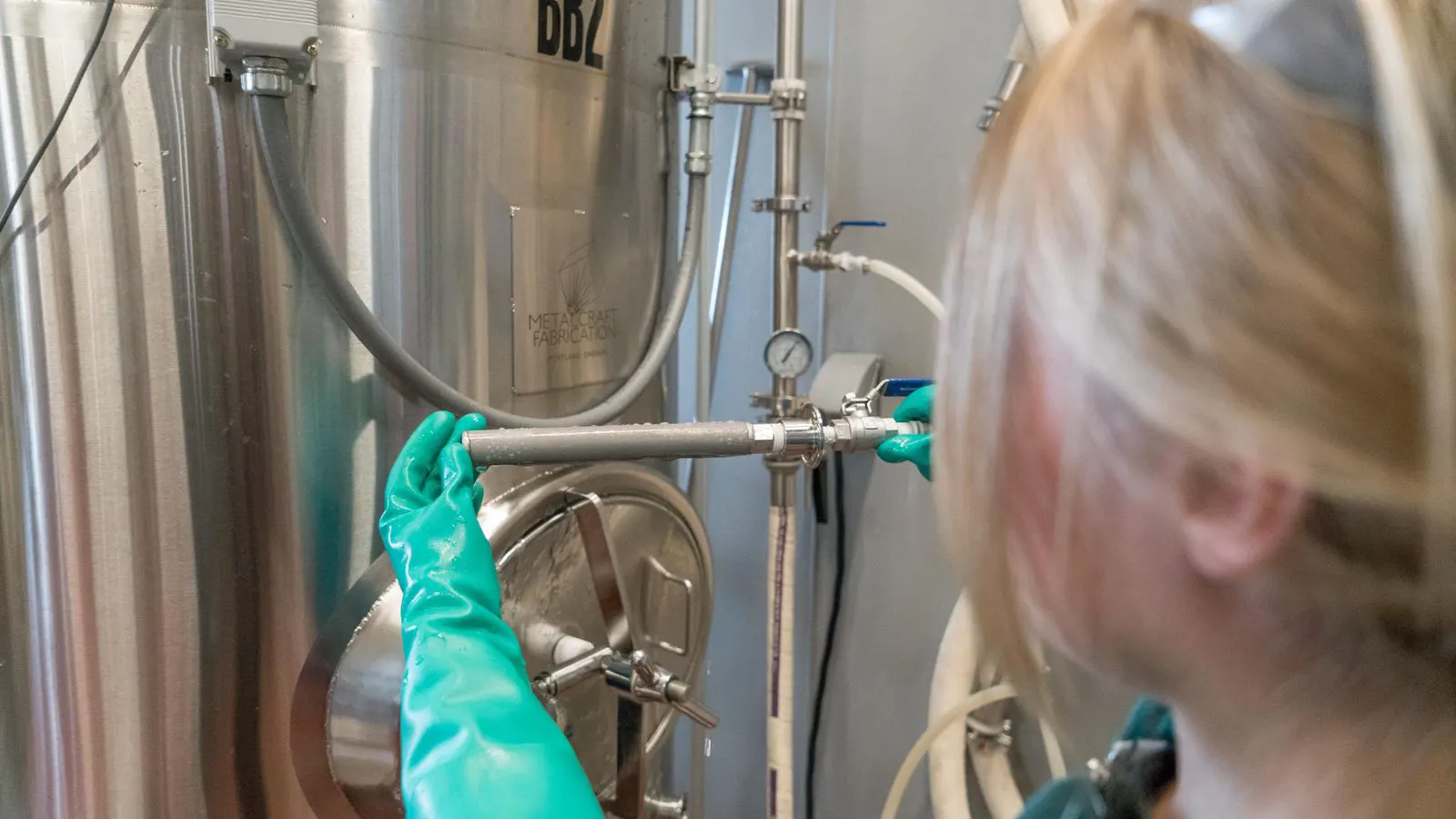
A passivation film is a thin, stable layer of chromium oxide that forms on stainless steel. Passivation controls this layer to improve corrosion resistance. This article explains the chemistry, testing, and sourcing decisions tied to passivation.
- Passivation is a chemical process that stabilizes the passive film on stainless steel, improving metal corrosion resistance.
- The film forms from chromium oxide, and its quality depends on cleaning, chemistry, and temperature.
- Corrosion testing helps verify performance, but it cannot fully replicate every field exposure condition.
- Sourcing decisions should cover cleaning, passivation chemistry, rinse water quality, and documentation.
- A proper passivation checklist helps prevent failures before parts reach final packaging.
A stainless steel part leaves the shop floor with a thin film on its surface. That film determines how the metal behaves in service. Most buyers assume the alloy itself provides protection. In practice, the alloy provides the ingredients for protection. The film provides the protection.
This article explains what a passivation film is, how it forms, and why passivation matters for corrosion performance. It also connects the chemistry to practical decisions around cleaning, testing, and vendor selection.
What Is a Passivation Film
A passivation film is a thin, chemically stable layer that forms on the surface of stainless steel. It is not a coating in the traditional sense. It is a reactive layer that grows from the metal itself when exposed to oxygen or other oxidizing conditions.
The main component of this layer is chromium oxide. Stainless steel contains chromium, and when the surface oxidizes, chromium migrates to the outer layer and bonds with oxygen. This creates a barrier between the bulk metal and the environment. The barrier slows the movement of water, oxygen, and ions into the metal.
The film is typically measured in nanometers, which is why it is invisible to the naked eye. Its thickness is not the main concern. Its uniformity and chemical stability are. A thin but stable film outperforms a thicker but unstable one.
Passivation is the process of promoting or restoring that film. It uses a chemical solution, usually containing nitric acid or citric acid, to remove loose surface contaminants and encourage chromium oxide to form. The process is not about adding material. It is about cleaning and stabilizing what is already there.
How the Film Forms
The formation of a passivation film starts with surface chemistry. When stainless steel is exposed to air, the surface begins to oxidize. In many cases, this happens during machining, grinding, or transport. The resulting film can be thin, uneven, or contaminated.
During manufacturing, metalworking oils, coolants, fingerprints, and shop dust can land on the surface. These contaminants block chromium from reaching the outer layer. They also trap moisture and chlorides under the film. The result is a less stable barrier.
Passivation addresses this. The chemical bath removes organic and inorganic contaminants. It then allows the exposed metal to re-oxidize in a controlled way. The solution may also adjust pH and temperature to support consistent film growth.
The process is sensitive to variables. Temperature changes the reaction rate. Concentration affects cleaning power. Rinse water quality can introduce new contaminants. If the part is not rinsed properly, residual acid or salts can remain on the surface and undermine the film.
Why Passivation Matters for Corrosion Resistance
Corrosion resistance depends on the film. If the film is damaged, the metal beneath is exposed. That exposure can start localized attack. In chloride environments, pitting can begin at weak points. Once pitting starts, it can deepen and spread.
Passivation matters because it reduces the risk of that initial damage. It does not make stainless steel immune to corrosion. It makes the surface more resistant to the early stages of attack. For many applications, that difference is enough to extend service life.
The importance varies by alloy and environment. Higher alloy grades with more chromium and nickel may tolerate a less ideal surface condition. Lower alloy grades are more sensitive. Saltwater, industrial atmospheres, and high humidity all increase the stakes.
For buyers, passivation is a control point. It is one of the few steps that directly affects surface quality without changing the base alloy. It can be specified, inspected, and documented. That makes it a practical tool for quality management.
Passivation vs Other Surface Processes
Passivation is often confused with other surface treatments. It is not plating. It is not anodic oxidation. It is not a paint or coating.
The table below compares passivation with a few related processes.
| Process | What It Does | Typical Use |
|---|---|---|
| Passivation | Stabilizes chromium oxide film on stainless steel | Stainless components, fasteners, medical parts |
| Pickling | Removes mill scale and surface impurities | Hot-rolled stainless stock, welding cleanup |
| Anodizing | Forms oxide layer on aluminum | Architectural parts, consumer electronics |
| Plating | Adds a metal layer to the base material | Corrosion protection, wear resistance, appearance |
Pickling is often done before passivation. It removes heavy scale or welding flux. Passivation then addresses the finer surface condition. Anodizing and plating are different in kind. They add a layer. Passivation works with the metal surface itself.
This distinction matters when reading specifications. A requirement for passivation does not mean the part has been plated or coated. It means the stainless surface has been chemically treated to improve corrosion resistance.
How Corrosion Testing Relates to Passivation
Corrosion testing gives evidence of performance. It does not replace the passivation process. It supports it.
Common tests include salt spray exposure, immersion testing, and visual inspection after exposure. These tests can show whether a part resists pitting, rust staining, or general deterioration. They help verify that the process is working as intended.
However, no test fully replicates field conditions. Temperature cycles, mechanical stress, biofilms, and uneven exposure can all change results. A part that passes a lab salt spray test may still fail in a coastal or industrial environment if the film is damaged during handling or assembly.
This is why documentation matters. A passivation certificate or test report should identify the chemistry used, the process parameters, and the inspection method. If possible, it should reference the lot or batch of parts.
For imported components, testing and documentation are even more important. The buyer may not be able to inspect the process directly. The certificate becomes the primary evidence of quality.
A Worked Example in Plain Words
Imagine a batch of stainless steel brackets for a marine HVAC unit. The brackets are machined from 316L stock. During machining, cutting fluid lands on the surfaces. The parts are transported in a closed box. The buyer needs them to resist salt air and occasional humidity.
If the parts are delivered without passivation, the cutting fluid may remain. Over time, moisture and chloride ions can reach the metal. Pitting can start at microscopic weak points. The brackets may look fine for months, then show brown spots and surface loss.
If the brackets are passivated, the surface is cleaned and the chromium oxide layer is stabilized. The cutting fluid is removed. The surface is rinsed and dried. The film is more uniform and more resistant to attack. The brackets may still need proper coating or maintenance in harsh service, but the surface condition is stronger from day one.
This example shows how passivation is a practical quality step. It does not guarantee performance. It reduces a known failure mode.
What Buyers Should Check Before Sourcing
Sourcing decisions around passivation should cover more than the final certificate. The process chain matters.
- Cleaning method. The part must be free of oils, coolants, and dust before passivation.
- Passivation chemistry. Nitric acid and citric acid systems have different effects and different handling requirements.
- Rinse water quality. Poor rinse water can leave salts that undermine the film.
- Drying and packaging. Moisture and contaminants can re-contaminate the surface after treatment.
- Documentation. The buyer should know what was done and when.
For large orders, lead time and capacity can be constraints. For imported parts, the buyer should confirm whether passivation is done at the source or at a local finishing facility. Both approaches are valid. The key is consistency and traceability.
A passivation checklist can help. It should include incoming inspection, cleaning verification, passivation parameters, rinse and dry confirmation, and final visual check. This checklist supports the final packaging step and reduces the chance of a surface failure discovered in the field.
Common Failure Modes
Passivation can fail for several reasons.
- The part was not cleaned before treatment.
- The chemistry was too weak or too strong.
- The rinse water was contaminated.
- The part was handled with bare hands after treatment.
- The part was stored in a humid environment without protection.
- The alloy was not actually stainless, or the surface was contaminated with carbon steel.
Each of these can create a weak spot in the film. The result may be rust staining, pitting, or accelerated corrosion. These failures are often visible after some time in service, not immediately after the process.
The good news is that most of these failures are preventable. They are process and handling issues, not mysterious material defects.
Frequently asked questions
Is passivation the same as cleaning?
No. Cleaning removes contaminants. Passivation removes contaminants and then promotes a stable chromium oxide film. The film is what improves corrosion resistance.
Can passivation make stainless steel immune to corrosion?
No. It improves resistance, especially to early pitting and staining. It does not protect against all forms of attack, especially in severe chloride or high stress environments.
What is the main purpose of a passivation film?
The film acts as a barrier between the metal and the environment. It slows the movement of water, oxygen, and ions into the surface.
Why do some stainless parts still rust after passivation?
Rust can appear if the film is damaged by handling, storage, or contaminated rinse water. It can also appear if the part is actually carbon steel or a low alloy grade exposed to harsh conditions.
How does passivation differ from plating?
Passivation works on the stainless surface itself. Plating adds a separate metal layer. They solve different problems and are not interchangeable in specifications.