The Future of Corrosion Resistance in Marine Industries
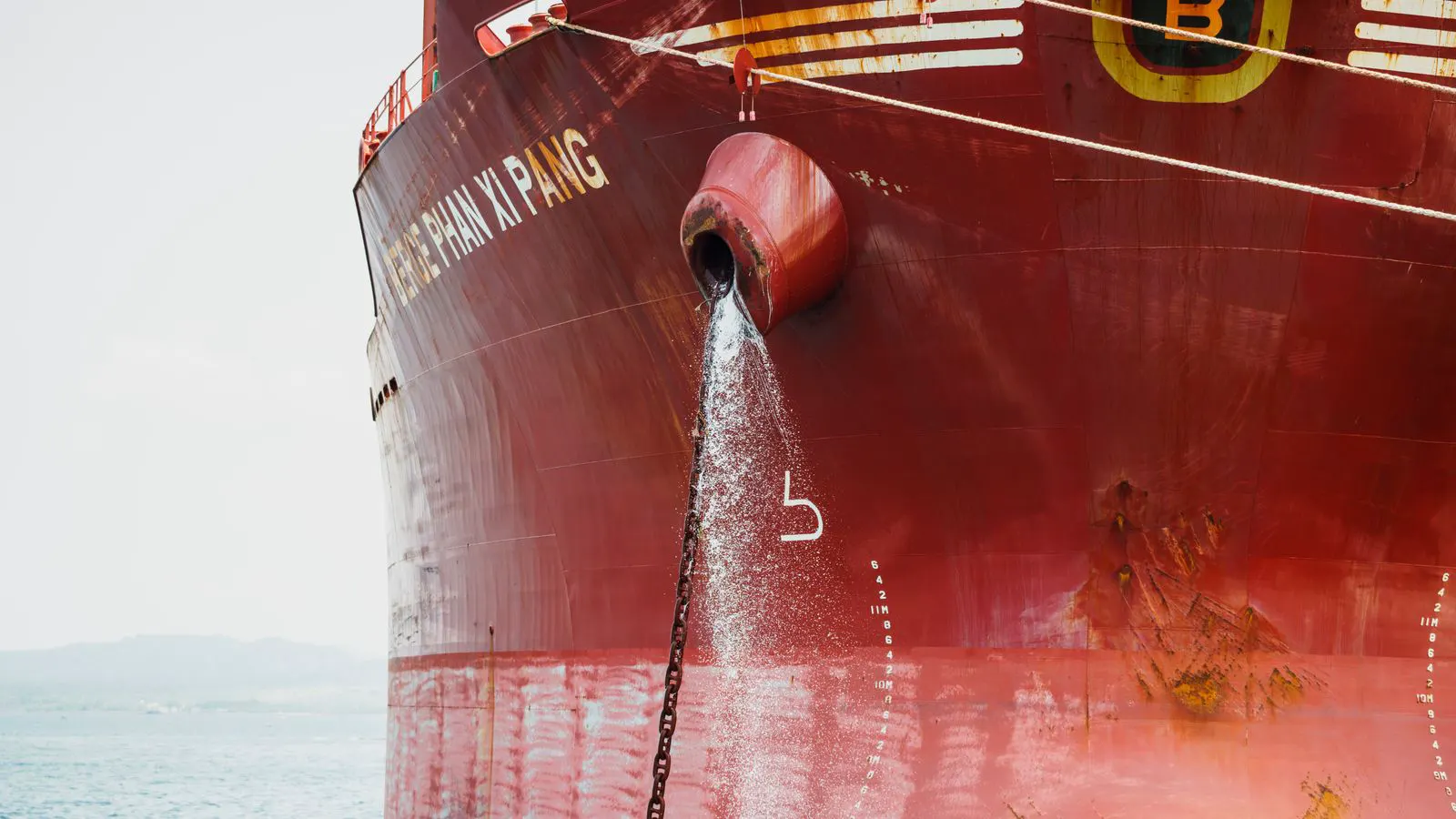
Marine asset longevity is changing as new alloys and refined passivation processes improve long-term corrosion resistance. Buyers should plan for stricter material selection, better surface preparation, and updated maintenance schedules to protect investment.
- Material selection now favors high performance alloys that reduce maintenance cycles for critical marine components.
- Surface preparation quality has become a deciding factor in how well corrosion resistance performs over time.
- Buyers should require detailed passivation records and traceability to verify corrosion protection on imported parts.
- Maintenance planning must account for improved but still finite protective performance of modern materials.
- Cost savings often come from better upfront finishing rather than lower material prices alone.
Marine assets face constant attack from salt, humidity, and temperature swings. The expectation for corrosion resistance is no longer just about preventing visible rust. It is about maintaining structural integrity and safe operation across decades of service. The shift is happening in materials, surface treatment, and how buyers verify those protections before assets leave the yard.
How alloy upgrades change the baseline for durability
The move toward higher performance alloys is one of the clearest trends in marine engineering. Builders and retrofit teams are selecting materials that tolerate aggressive environments better than older grades. These materials handle salt exposure and mechanical stress with less frequent intervention.
This shift changes how buyers think about corrosion resistance. The focus moves from reactive repair to longer intervals between maintenance events. A component that lasts three times as long under the same conditions changes the economic model for the asset owner.
The trade off is upfront cost. Better alloys are not always cheaper to buy. They may also require different handling and finishing practices. A buyer who assumes a standard stainless steel component will perform the same as a high performance alternative may face unexpected performance gaps.
For large orders, material substitution should be evaluated against the specific service environment. A pump housing in a dry deck area has different needs than a sea chest fitting exposed to direct spray. The material choice must match the exposure profile, not just the part number.
Where passivation fits into the new corrosion resistance model
Passivation is not a coating. It is a surface treatment that stabilizes the oxide layer on passive metals. It does not add a thick protective film. It improves how the metal itself resists chemical attack.
In marine applications, passivation is often used as a step before painting or as a final treatment for exposed metal surfaces. Its value lies in reducing initial corrosion susceptibility. A properly passivated surface starts its service life with a more stable and uniform oxide layer.
The quality of passivation depends heavily on surface preparation. Contamination from machining oils, handling residue, or previous coatings can disrupt the process. This is a common failure point. A part that looks clean but carries invisible contaminants can pass visual inspection and still fail to develop a stable passive layer.
Buyers should expect passivation to be treated as a controlled process. Documentation matters. Records should show the surface condition before treatment, the process parameters used, and the final verification method. Without these details, corrosion resistance claims become difficult to verify after the part is installed.
The role of surface preparation in long term performance
Surface preparation determines how well a corrosion resistant finish performs. Even the best alloy will underperform if the surface is contaminated or improperly cleaned. This is especially true in marine environments where salt deposits and biological growth accelerate degradation.
Mechanical cleaning methods like grinding or blasting can remove scale and loose material. Chemical cleaning can address embedded contaminants. The choice depends on the material and the level of contamination. Stainless steel, for example, requires careful cleaning to avoid introducing foreign metals that create galvanic cells.
A common mistake is assuming that visual cleanliness equals chemical cleanliness. A part may look free of rust or paint but still carry microscopic particles from handling or machining. These particles can act as initiation points for pitting and crevice corrosion.
Buyers should specify cleaning requirements in the purchase order. The level of cleanliness should match the service risk. For components exposed to direct seawater spray, a higher standard of preparation is justified than for interior structural members.
How buyers can verify corrosion resistance before delivery
Verification is the step that separates a marketing claim from a usable asset. Marine buyers need evidence that the corrosion resistance they paid for is actually present on the part.
The most useful verification methods are non destructive. Surface inspection can identify visible defects or contamination. Chemical spot tests can confirm the presence of specific elements in the oxide layer. For stainless steel, a passivity test can show whether the surface resists localized attack under controlled conditions.
For imported components, verification becomes more complex. The part may have passed through multiple handlers and storage conditions. The buyer needs to confirm that the surface condition was maintained from the factory to the point of installation.
A practical approach is to require a final inspection report for each lot. The report should include surface preparation details, passivation parameters, and the results of any verification tests. This documentation creates a baseline. If corrosion appears years later, the buyer can trace the issue back to the original finishing process.
Planning for maintenance and lifecycle changes
Improved corrosion resistance changes maintenance planning. The goal is not to eliminate maintenance but to make it more predictable and less frequent.
Buyers should update their maintenance schedules to reflect the performance characteristics of the new materials. A component with a longer expected service life may need less frequent inspection. However, the inspection method should change as well. Visual checks may not be enough to detect early stages of localized corrosion.
The lifecycle cost model must account for the full period of service. A cheaper component that requires annual repainting may cost more over ten years than a premium component that lasts the same period with minimal intervention.
Maintenance planning also includes inspection of fasteners and joints. Corrosion often starts at mechanical interfaces where water can trap. The corrosion resistance of the main material does not protect every surface. Design details that allow drainage and prevent trapping are as important as the material specification.
What to watch in the next phase of marine finishing
The next phase of marine finishing will focus on integration. Corrosion resistance will not be a single step. It will be a combination of material selection, surface preparation, passivation, and protective coatings working together.
Buyers should watch for better traceability in finishing services. As marine assets move toward longer service lives, the ability to verify what was done at each step becomes more valuable. The parts that will perform best are those where every finishing decision is documented and verified.
The shift is also moving toward predictive maintenance. Sensors and inspection methods that detect early corrosion can change how owners plan interventions. The corrosion resistance of the material sets the stage, but monitoring determines how well that resistance is maintained.
For buyers, the practical move is to treat corrosion resistance as a system. Do not select a material and walk away. Do not accept a passivation certificate without understanding what it covers. The long term value comes from controlling every step from raw material to final installation.
A practical checklist for marine finishing decisions
- Match the material to the specific exposure, not the standard catalog grade.
- Specify surface preparation methods that remove contaminants, not just visible debris.
- Require passivation records that show parameters and verification results.
- Update maintenance schedules based on the expected performance of the new material.
- Inspect joints and fasteners as part of the corrosion resistance plan.
The future of corrosion resistance in marine industries is not about a single breakthrough. It is about better integration of proven methods. The materials are improving. The finishing processes are getting more precise. The verification methods are getting more practical. Buyers who plan for these shifts now will have assets that hold their value longer and require less emergency intervention.
The key is to stop treating corrosion resistance as a final inspection item. It is a design and procurement decision that spans the whole life of the asset. The parts that are selected, prepared, and finished with this mindset in mind will be the ones that perform when the asset is at sea.
| Decision Point | What to Check | Why It Matters |
|---|---|---|
| Material Selection | Exposure profile and service life | Prevents under specifying for the environment |
| Surface Prep | Cleaning method and verification | Ensures contaminants do not compromise the oxide layer |
| Passivation | Process records and test results | Confirms the protective layer is stable and uniform |
| Maintenance | Inspection frequency and method | Aligns service planning with actual performance |
| Documentation | Traceability from factory to installation | Supports lifecycle verification and troubleshooting |
Frequently asked questions
Does a new alloy remove the need for passivation?
No. High performance alloys still benefit from a stable oxide layer. Passivation improves the surface condition and reduces initial corrosion susceptibility.
How do I know if a passivated surface is actually protected?
Request test results that show the surface passed a passivity or resistance test. Visual inspection alone is not enough to confirm long term protection.
Can corrosion resistance be verified after a part is installed?
It is difficult. Verification is most effective before installation. Post installation inspection can detect problems but cannot confirm the original finishing quality.
Is a cheaper material always a bad choice for marine use?
Not always. The choice depends on the exposure. A lower cost material may work in a protected area. It is a poor choice for direct seawater spray.
How do I handle corrosion resistance for imported marine components?
Require the finishing service to provide full records, including cleaning, passivation, and verification. Do not rely on a simple certificate without details.