What Is a Coating Specification? A Buyer’s Guide
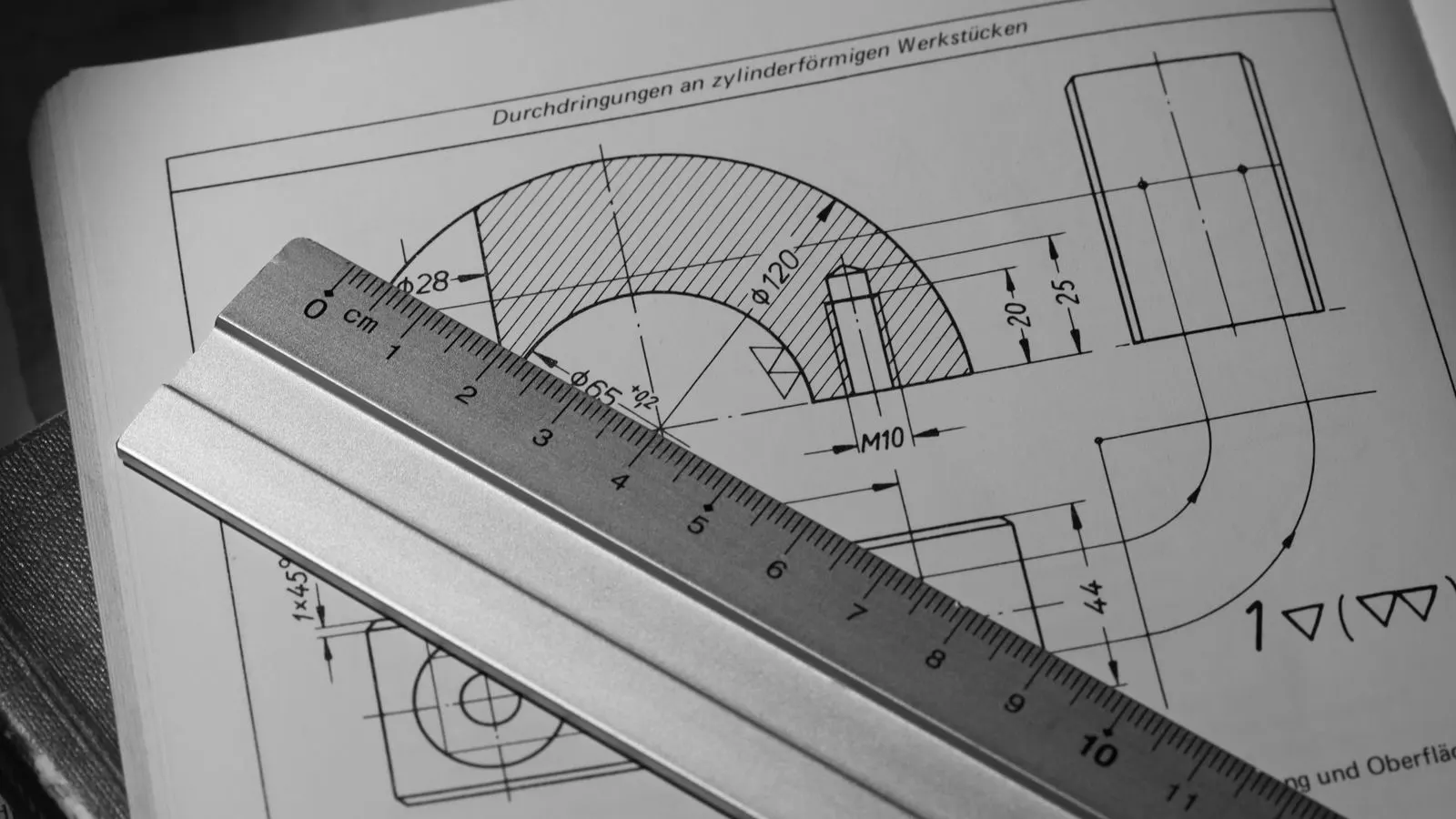
A surface coating specification is a technical document that defines the exact finish, thickness, appearance, and testing a vendor must provide. It bridges engineering intent and manufacturing execution, reducing rework and disputes during sourcing and inspection.
- A coating specification defines the finish, substrate, thickness, appearance, and testing a vendor must meet.
- Ambiguities in finishing requirements cause rework, disputes, and failed incoming inspections.
- Use concrete, verifiable language, and align the document with internal procurement standards.
- Include a worked example to show how a spec moves from intent to purchase order.
A surface coating specification is the bridge between engineering intent and the shop floor. It tells a finishing vendor exactly what to do, how to verify the work, and what happens if the result fails. Without one, buyers rely on assumptions, vendor defaults, and tribal knowledge, which rarely holds up when parts arrive at the receiving dock.
What does a coating specification actually contain?
A complete spec is a set of written instructions that remove guesswork. It usually covers the substrate, the coating type, the target thickness, the appearance, the testing method, and the acceptance criteria.
The substrate matters because the finish behaves differently on aluminum, carbon steel, stainless steel, or titanium. A vendor needs to know the base material, the surface condition, and any pre-existing contaminants or previous finishes. If the spec says “aluminum,” but the part is actually an aluminum alloy with a mill finish, the anodizing process, cleaning step, or dyeing stage can change.
The coating type is the next layer. “Anodize” is not enough. The spec must name the class of anodic oxide, the electrolyte if it matters to the process, and any post-treatment such as dyeing, sealing, or hard anodizing. For plating, the spec must name the metal, the thickness, the bright or matte requirement, and any undercoat or barrier layer.
Thickness is where most sourcing problems begin. A spec should state the minimum, target, and maximum thickness, and it should define how the measurement is taken. Microscopy, eddy current, or X-ray fluorescence are common methods, but each has a place. The spec should name the method so the vendor and the buyer are checking the same thing.
Appearance is the trickiest part. “Bright” can mean a mirror polish to one person and a clean, uniform finish to another. “Matte” can mean a soft texture or a deliberately rough, low-gloss surface. A good spec uses a reference, such as a sample, a gloss unit range, a color chip, or a written description tied to a standard. The buyer should not rely on a vendor’s internal color book unless that book is attached to the purchase order.
Testing and acceptance criteria turn the spec from a wish into a contract. The spec should name the tests: salt spray, adhesion, hardness, porosity, or dimensional checks. It should define the pass/fail limits and the sampling plan. If the spec says “pass salt spray,” the vendor does not know how many hours. If it says “500 hours,” the buyer does not know if that is neutral or acid. The spec must close those gaps.
How finishing requirements shape sourcing decisions
The spec is the first document a vendor reads when pricing a job. It sets the scope, the risk, and the labor. A spec that asks for a hard anodize with a specific thickness, a specific dye, and a specific seal will cost more than a spec that asks for a standard clear anodize with a minimum thickness.
The spec also sets the lead time. A standard finish on a known alloy is a routine job. A specialty finish on a difficult alloy, or a finish that requires a custom dye, a special rinse, or a tight dimensional tolerance, adds time. The vendor needs to know the substrate, the coating, and the testing requirements before it can give a reliable date.
A clear spec also reduces the need for second quotes. If the first quote is based on incomplete information, the vendor will either price for the worst case or ask for clarification before committing. A complete spec lets the vendor price the job as stated, which makes the quote more useful for internal budgeting.
How technical documentation supports procurement standards
Technical documentation is the record that keeps the process consistent from one order to the next. It is the document that a buyer, an engineer, and a quality inspector all refer to when a part arrives and something looks wrong.
Procurement standards are the rules that say what must be in the document. They define the level of detail required for different parts, the approval process, and the version control. A standard spec template, with fields for substrate, coating, thickness, appearance, testing, and acceptance, makes it easier to enforce those rules.
The documentation also supports the supplier evaluation. When a vendor proposes a process that is not in the spec, the buyer can evaluate it against the documented requirements. When a part fails, the buyer can trace the failure back to the spec, the vendor’s process, or the incoming inspection.
A well-maintained library of technical documents also helps with change control. If the engineering team changes the finish, the new spec is issued, the old version is marked obsolete, and the vendor is notified. Without that process, the vendor may still be using the old spec while the buyer is checking against the new one.
How to write a spec that avoids ambiguity
The best specs are written in plain language, with no room for interpretation. They use concrete nouns and measurable values. They avoid words that mean different things to different people.
Start with the part. Name the part number, the material, and the surface condition. State the coating type and the target thickness. Describe the appearance with a reference. Define the testing method and the acceptance criteria.
Use a table for the key parameters. A table forces the writer to be specific. It makes it easy for the vendor to read and for the buyer to verify.
Worked example in plain words
A buyer needs a set of aluminum brackets for a control panel. The engineering team wants a finish that resists corrosion and matches the panel’s color. The buyer writes the spec.
The spec says the substrate is 6061 aluminum with a clean, degreased surface. The coating is a type II anodic oxide. The target thickness is 20 microns, with a minimum of 15 microns and a maximum of 25 microns. The measurement method is eddy current. The appearance is a matte gray, matched to a sample labeled “Panel Gray 04.” The sealing is hot water, and the final rinse is deionized water. The acceptance test is a salt spray test for 1,000 hours with no blistering or corrosion. The sampling plan is one part per lot, with the measurement taken at three points.
This spec is short, but it is complete. A vendor can read it and give a quote. A quality inspector can verify it. If the part arrives with a thickness of 18 microns and a clean gray finish, it passes. If it arrives with a thickness of 14 microns, it fails. If it arrives with a shiny finish, it fails. The buyer does not have to guess.
How to verify the spec before release
Before the spec goes out, the buyer should check it against the parts. The spec should match the drawing, the material certificate, and the incoming inspection plan. The buyer should also check that the spec is consistent with the company’s procurement standards.
The buyer should have the engineer review the spec for technical accuracy. The buyer should have the quality team review it for testability. The buyer should have the procurement team review it for clarity and completeness.
The spec should be version-controlled. The date, the version number, and the approver’s name should be on the document. When the spec is updated, the old version should be marked obsolete and removed from circulation.
Common mistakes that cost time and money
The most common mistake is leaving thickness unmeasured. A spec that says “anodize” but does not say how thick, how to measure, or what the pass/fail limits are, invites disputes.
The second mistake is describing appearance with words that are too vague. “Bright” and “matte” are not enough. The spec should use a reference or a measurable range.
The third mistake is omitting the testing method. A spec that says “pass salt spray” but does not say for how long, in what solution, or with what acceptance criteria, is incomplete.
The fourth mistake is not aligning the spec with the incoming inspection plan. If the spec says to measure thickness with eddy current, but the incoming inspection plan says to use microscopy, the buyer and the vendor are checking the same part in two different ways.
A surface coating specification is not a formality. It is the document that protects the buyer, the vendor, and the part. It is the first line of defense against rework, disputes, and failed inspections. Write it clearly, verify it carefully, and use it consistently.
How the spec connects to cost and lead time
The spec is the input for cost and lead time. A vendor cannot price a job without knowing the scope. A vendor cannot schedule a job without knowing the process. The spec is the document that makes those two numbers possible.
A spec that is vague forces the vendor to ask questions. Each question takes time. Each question adds uncertainty. A spec that is clear lets the vendor price and schedule quickly.
A spec that is clear also reduces the risk of rework. If the vendor delivers a part that does not match the spec, the buyer can reject it. If the spec is vague, the buyer has a harder time proving that the part failed.
A spec that is clear also supports the supplier relationship. When both parties are working from the same document, the relationship is based on facts. When one party is working from an assumption, the relationship is based on hope.
How to maintain the spec over the product life
The spec is not a one-time document. It changes when the part changes. It changes when the finish changes. It changes when the testing changes. It changes when the supplier changes.
The buyer should review the spec at each major revision. The buyer should update the spec when the engineering team changes the design. The buyer should update the spec when the quality team changes the inspection plan. The buyer should update the spec when the supplier changes the process.
The buyer should keep a library of specs. The library should be organized by part, by product family, or by coating type. The library should be searchable. The library should be version-controlled.
A maintained library of specs is an asset. It reduces the time to quote, the time to inspect, and the risk of failure. It is the difference between a process that is repeated and a process that is remembered.
A surface coating specification is the document that turns an engineering intent into a manufacturing result. It is the first thing a vendor reads and the last thing a quality inspector checks. Write it with the same care you give to the drawing. Verify it with the same rigor you give to the incoming inspection. Use it consistently. The part will be better for it, and the business will be better for it.
How the spec supports troubleshooting
When a part fails, the spec is the first document the buyer looks at. It tells the buyer what the part was supposed to be. It tells the buyer how the part was supposed to be measured. It tells the buyer what the pass/fail limits were.
The spec also supports the root cause analysis. If the part failed, the buyer can trace the failure back to the spec, the vendor’s process, or the incoming inspection. The spec is the record that makes that trace possible.
The spec also supports the corrective action. If the part failed because the spec was ambiguous, the buyer can update the spec. If the part failed because the vendor did not follow the spec, the buyer can hold the vendor accountable. If the part failed because the incoming inspection did not catch the defect, the buyer can update the inspection plan.
A clear spec is the foundation of a good quality system. It is the document that makes the system work. Without it, the system is a guess. With it, the system is a process.
How the spec fits into the larger finishing ecosystem
The spec is not the only document in the finishing process. It is the central document. It connects to the drawing, the material certificate, the purchase order, the incoming inspection plan, and the supplier evaluation.
The spec also connects to the cost and lead time. It is the input for both. It is the document that makes both possible.
The spec also connects to the supplier relationship. It is the document that defines the scope, the risk, and the labor. It is the document that makes the relationship based on facts.
A surface coating specification is the document that protects the buyer, the vendor, and the part. It is the first thing a vendor reads and the last thing a quality inspector checks. Write it with care. Verify it with rigor. Use it consistently. The part will be better for it, and the business will be better for it.
Frequently asked questions
What is the difference between a coating specification and a drawing?
A drawing shows the geometry and the material. A coating specification shows the finish, the thickness, the appearance, and the testing. The drawing tells the vendor what to make. The spec tells the vendor how to finish it.
How detailed should a surface coating specification be?
It should be detailed enough that a vendor can price the job, schedule the job, and a quality inspector can verify the result. It should name the substrate, the coating, the thickness, the appearance, the testing method, and the acceptance criteria.
What happens if the spec is vague?
The vendor has to guess. The buyer has to guess. The result is rework, disputes, and failed inspections. A vague spec is a risk that the buyer pays for.
How does the spec affect lead time?
The spec sets the scope and the process. A standard finish on a known alloy is a routine job. A specialty finish on a difficult alloy, or a finish that requires a custom dye, adds time. The spec is the input for the lead time.
How does the spec affect cost?
The spec sets the scope and the risk. A spec that asks for a hard anodize with a specific thickness, a specific dye, and a specific seal will cost more than a spec that asks for a standard clear anodize. The spec is the input for the cost.
How do I verify that the vendor followed the spec?
Use the incoming inspection plan. The plan should match the spec. The inspector should measure the thickness with the method named in the spec. The inspector should check the appearance against the reference in the spec. The inspector should run the tests named in the spec.
What if the vendor proposes a process that is not in the spec?
Evaluate it against the documented requirements. If it meets the requirements, it can be used. If it does not, it cannot be used. The spec is the standard. The vendor's process must meet the standard.
How do I handle changes to the spec?
Issue a new version. Mark the old version obsolete. Notify the vendor. Update the incoming inspection plan. Update the supplier evaluation. The spec is a living document. It changes when the part changes.
What is the best format for a spec?
A short document with a table for the key parameters. The table should have a header row and rows for the substrate, the coating, the thickness, the appearance, the testing method, and the acceptance criteria. The document should be version-controlled.
How do I keep the spec library organized?
Organize it by part, by product family, or by coating type. Make it searchable. Keep it version-controlled. Review it at each major revision. Keep a record of the changes.