Troubleshooting: Adhesion Failure in High-Humidity Zones
Coating adhesion failure in high humidity zones usually stems from moisture trapped under the finish or insufficient surface preparation. This guide details symptoms, likely causes, and corrective actions to stop coating delamination and reduce humidity corrosion on finished parts.
- Coating adhesion failure in high humidity zones is rarely a random event; it usually points to a specific breakdown in preparation or curing.
- Humidity corrosion occurs when moisture penetrates the coating film and attacks the metal substrate from within.
- Coating delamination is a symptom of adhesion loss, and the fix depends on whether the failure started at the interface or within the film itself.
- Prevention requires controlling the environment during application and specifying the right surface profile for the operating conditions.
What is causing the detachment?
Coating adhesion failure is one of the most common complaints in surface finishing, especially when parts operate in or are stored in high humidity zones. The detachment is not always a coating problem. Often, it is a substrate problem that becomes visible only after moisture exposure. When a buyer or engineer sees a coating lift or flake, the first step is to determine where the failure occurred. Did the coating peel cleanly from the metal, or did the metal corrode underneath while the coating remained attached to the base?
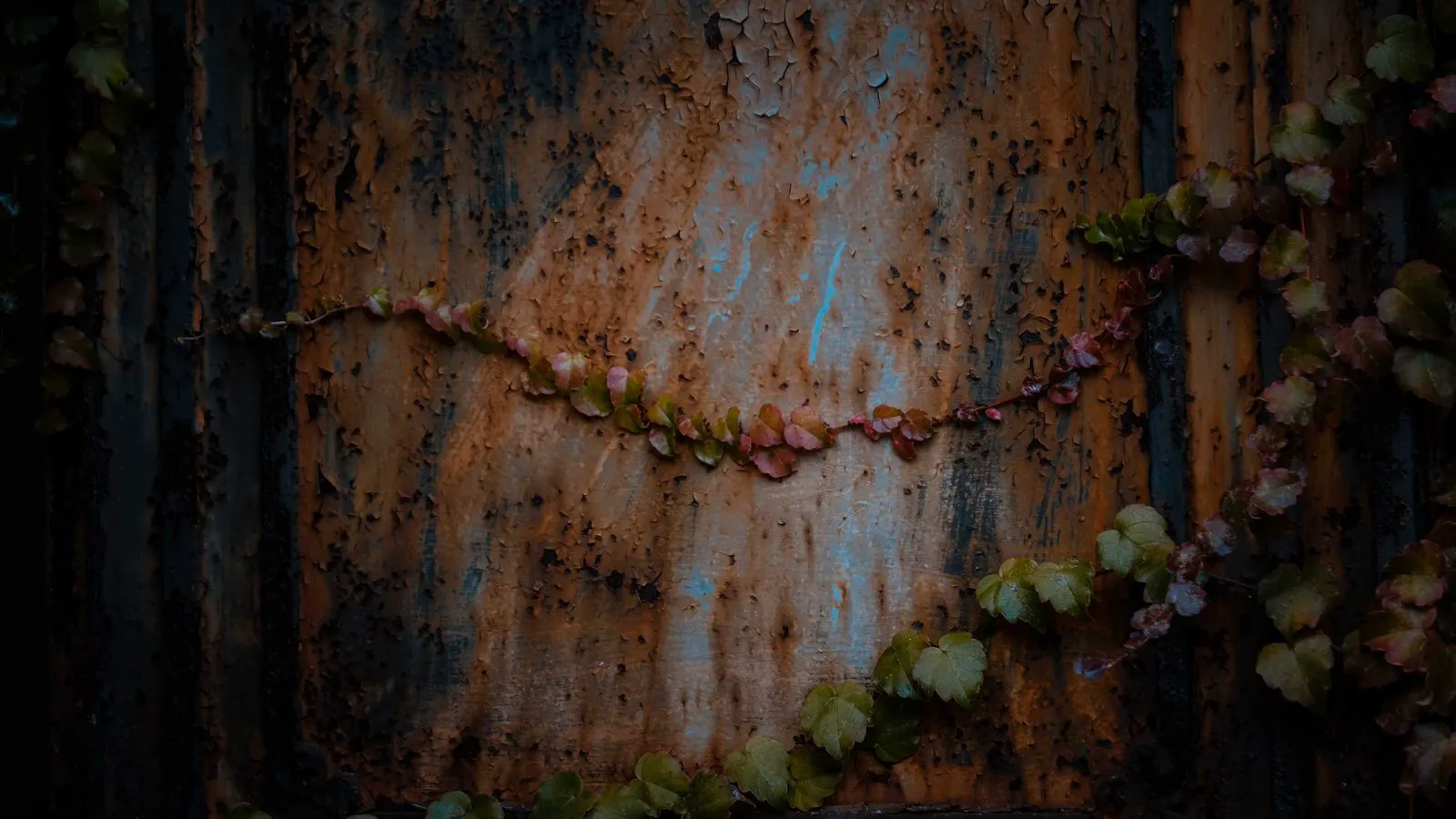
A common mistake is to treat all adhesion failures as a paint or plating issue. If the coating is a clear lacquer over an anodized part, the failure might be in the anodize oxide layer itself. If it is a zinc flake coating, the failure might be at the primer interface. The location of the fracture tells you a lot. A clean, dry lift suggests poor surface preparation. A rust-colored halo under a lifted edge suggests humidity corrosion that started at the interface.
How to identify the failure mode
Before applying a fix, you need to identify the failure mode. Visual inspection is the starting point, but it can be misleading. A coating may look intact on the surface while the adhesion is already gone.
Use a simple push test on a small area. Press a fingernail or a plastic probe into the edge of a lifted coating. If the coating pushes back and does not release, the adhesion is still good. If it releases easily, the bond is broken. For more definitive results, a cross-cut test on a small scrap area is useful. Score a grid of small squares and pull the tape off. If more than a specific area of the coating lifts, the adhesion is below standard.
Look for environmental clues. High humidity zones often have condensation on the parts. If you see water droplets under the coating or at the edges, moisture has been trapped. This is a clear sign of humidity corrosion. The metal substrate is likely suffering from galvanic or atmospheric corrosion because the coating film is acting as a barrier to oxygen but not to water, or the coating has a pinhole defect.
Symptom, cause, and corrective action
The following table lists common symptoms, their likely causes, and the corrective actions. Use this as a diagnostic checklist.
| Symptom | Likely cause | What to do |
| :— | :— | :|
| Coating lifts at edges or corners | Poor surface profile or trapped moisture during curing | Increase blast profile or apply a primer with better moisture barrier. Ensure parts dry completely before curing. |
| Blistering or bubbling under the surface | Solvent or moisture trapped in the substrate | Strip the coating, clean the substrate, and reapply with a thinner, slower-curing system. Check for solvent contamination. |
| Rust halo around a lifted edge | Humidity corrosion at the interface | Strip the coating, remove corrosion with a degreaser and abrasive, and apply a corrosion-inhibitive primer. |
| Coating cracks and flakes in a pattern | Thermal shock or differential expansion | Check the curing temperature and duration. Ensure the coating system is compatible with the thermal cycles of the part. |
| Uniform peeling of a thin film | Inadequate adhesion promoter or wrong substrate chemistry | Verify the adhesion promoter is used for the specific substrate. Check the surface chemistry with a solvent wipe test. |
| Delamination only in high-humidity areas | Incomplete drying of the part before coating | Extend the drying time in the oven or use a desiccant chamber. Monitor the relative humidity during application. |
The role of surface preparation
Surface preparation is the single most critical step in preventing coating adhesion failure. In high humidity zones, the requirement for a clean, dry surface is even higher. A small amount of moisture or oil can prevent the coating from bonding to the metal.
The first step is degreasing. Use a solvent or a water-based cleaner that is compatible with the coating system. After degreasing, wipe the part with a clean, lint-free cloth. In a high humidity environment, the part can re-contaminate quickly. The time between cleaning and coating should be short.
The second step is surface profiling. For powder coating and many liquid coatings, a blast profile is needed to create mechanical interlock. The profile should be consistent and appropriate for the coating thickness. Too shallow a profile will not hold the coating. Too deep a profile can trap moisture in the valleys of the profile. For high humidity zones, a medium profile is usually best. It provides adhesion without creating deep pockets for water to collect.
Curing and drying considerations
Even with perfect surface preparation, coating adhesion failure can occur if the coating is not cured properly. In high humidity zones, the environment can slow down the curing process. Water vapor in the air can interfere with the chemical reactions that harden the coating.
For powder coatings, the cure time and temperature must be met. If the oven temperature is too low, the powder may not fully cross-link. The coating will remain soft and susceptible to moisture penetration. Check the oven temperature with a calibrated thermometer, not just the controller display.
For liquid coatings, the drying time is critical. If the air is humid, the solvent may not evaporate quickly enough. This can leave the coating wet and soft. Extend the flash-off time. Use a dehumidifier in the spray booth if possible. The goal is to have a dry, hard coating before the part is exposed to the high humidity zone.
Prevention strategies for high humidity zones
Prevention is better than cure. If you are finishing parts for high humidity zones, you can take steps to ensure the coating lasts.
- Use a corrosion-inhibitive primer. A primer with zinc phosphate or similar inhibitors can slow down the rust that starts at the interface. This buys you time if the coating is ever damaged.
- Apply a topcoat with a good barrier. A topcoat with a high solid content and a good chemical resistance can act as a shield against moisture.
- Control the environment during application. Use a dehumidifier in the application area. Keep the relative humidity below a certain level. This ensures the coating cures properly.
- Inspect the parts after curing. Check the adhesion with a push test or a cross-cut test. If the adhesion is below standard, do not ship the parts.
- Store the parts in a dry environment. If the parts are stored in a high humidity zone after finishing, the coating may still be susceptible to moisture penetration. Use a dehumidified storage area or apply a protective wrap.
When to call a supplier
If you are struggling to solve a coating adhesion failure, do not hesitate to call your supplier. They have experience with the coating system and can help you troubleshoot. Provide them with details of the failure, the environment, and the surface preparation steps you took. They may suggest a different primer, a different cure profile, or a different surface profile.
A good supplier will not just tell you to use a different product. They will help you understand why the failure occurred. This knowledge will help you prevent future problems. If the supplier cannot help, consider bringing the part to a third-party testing lab. They can perform a microscopic analysis of the failure surface and give you a detailed report.
Coating adhesion failure is a solvable problem. With the right diagnosis and the right corrective action, you can stop the detachment and extend the life of your parts. Focus on surface preparation, cure, and environment control. These three factors will solve most adhesion issues in high humidity zones.
Frequently asked questions
How do I know if the coating is failing due to humidity?
Look for a rust halo under the lifted edge. If the metal substrate is corroded, the failure is likely due to humidity corrosion.
Can I fix coating adhesion failure without stripping the coating?
No. You must strip the failed coating and prepare the substrate before reapplying. Patching over a failed adhesion will not work.
What is the best surface profile for high humidity zones?
A medium blast profile is usually best. It provides adhesion without creating deep pockets for moisture to collect.
How long should I wait between cleaning and coating?
As short as possible. In a high humidity environment, the part can re-contaminate quickly. Aim for less than 30 minutes.
Is a topcoat necessary for high humidity zones?
Yes. A topcoat with a good barrier property can act as a shield against moisture and extend the life of the coating.