What Is a Powder Coating Color System?
Powder coating colors follow specific matching systems like RAL codes and custom powder recipes. Understanding these standards helps buyers specify finishes accurately, reduce errors, and simplify sourcing from vendors.
- RAL color codes offer a standardized reference for common powder coating shades, reducing ambiguity in purchase orders.
- Custom powder mixes allow exact brand matching but require longer lead times and larger minimum orders.
- Always specify the color system in writing and provide physical samples for critical projects to avoid mismatches.
What Is a Powder Coating Color System?
A powder coating color system is the method used to identify, specify, and match the final finish on a coated part. It tells the applicator exactly what shade to use and how close to that shade the finished part must be. Without a defined system, a request for “dark green” or “corporate blue” creates confusion, because every supplier and manufacturer interprets color differently based on lighting, substrate, and coating thickness.
In practice, color systems bridge the gap between a buyer’s intent and a vendor’s production. They turn a vague description into a measurable requirement. This matters most when the part is part of a larger assembly where multiple components must match, or when the finish is visible to the end user.
How RAL Colors Work in Powder Coating
The RAL color system is the most widely recognized standard for specifying colors in the powder coating and industrial painting industries. It assigns a unique code to a defined shade, such as RAL 9005 for a dark grey or RAL 9004 for black. Each code represents a specific mixture of pigments and binders that a manufacturer must match within a defined tolerance.
When a buyer specifies a RAL code, the powder coating vendor can select a pre-mixed powder that is already formulated to that standard. This reduces the risk of color mismatch because the reference point is universal. Most major powder coating producers keep a catalog of RAL colors available in standard shades.
However, not every RAL code is available from every supplier. Some specialty shades, especially metallics, pastels, or high-gloss finishes, may not be stocked in standard powder. If a RAL color is not available in a specific gloss level or texture, the vendor may need to blend a custom mix. This is where the distinction between standard and custom powder becomes relevant to lead time and cost.
What Is Custom Powder?
Custom powder is a blend created specifically to match a color that is not in a vendor’s standard catalog. This can mean matching a brand logo, matching a liquid paint sample, or combining two existing colors to achieve a target hue. The powder is mixed on site or at a centralized blending facility, and the recipe is recorded for future batches.
Custom powder requires more time because the vendor must source the base pigments, blend the mixture, and test the result. The finished part must pass a visual or instrumental check to confirm the match. This process adds days or weeks to the project timeline, depending on the complexity of the color and the vendor’s production schedule.
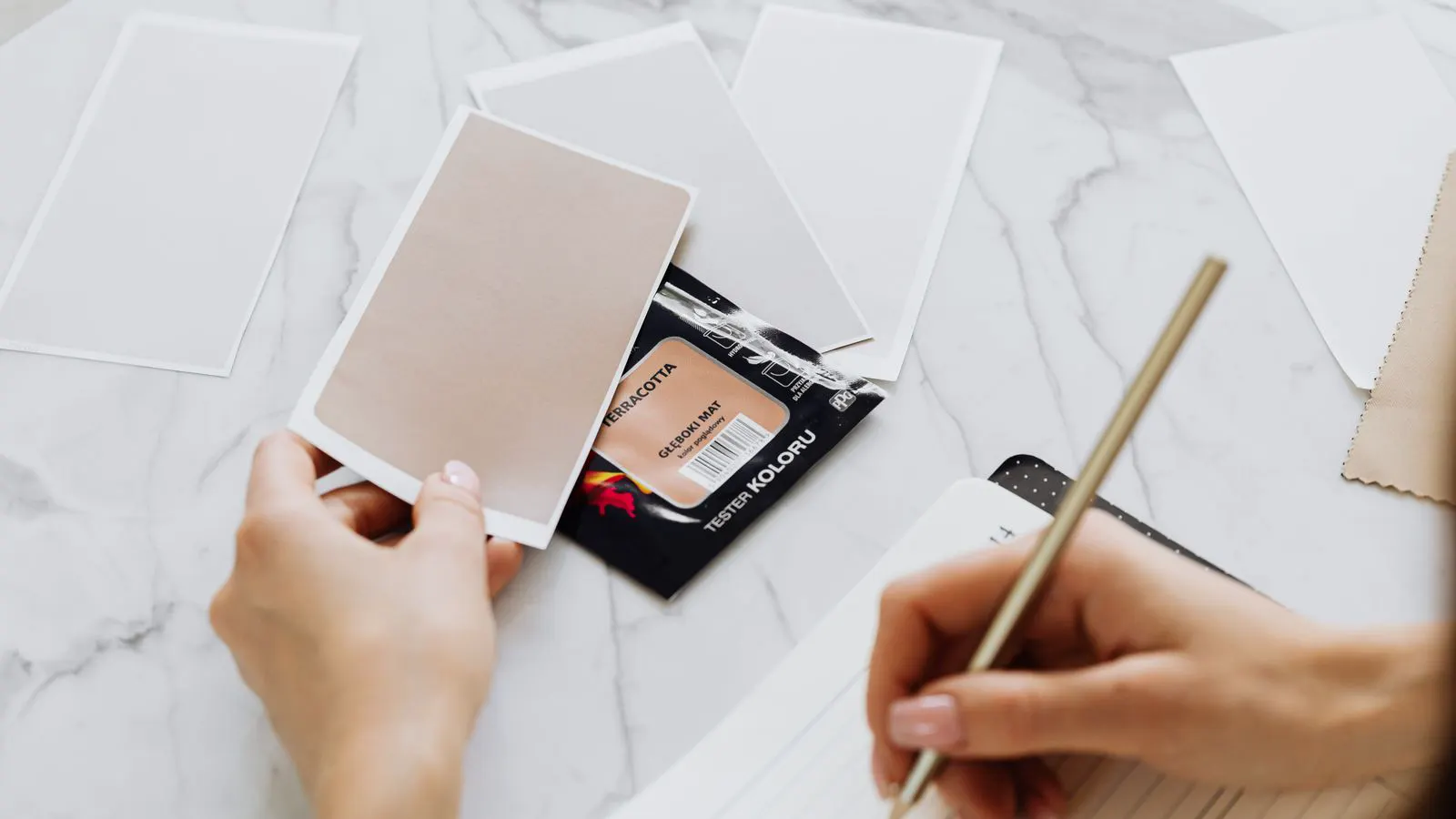
Buyers should provide a physical sample when requesting custom powder. A digital image is rarely sufficient because screen calibration and lighting conditions distort perceived color. A small metal sample coated in the target color, or a liquid paint chip, gives the vendor a tangible reference. Without it, the risk of a mismatch increases significantly.
How Color Matching Affects Sourcing Decisions
The choice of color system directly impacts lead time, cost, and the level of coordination required between the buyer and the vendor. Using a RAL code is the fastest path to a finished part because the powder is likely already available. The vendor can quote a standard lead time, and the buyer can issue a purchase order with minimal back-and-forth.
Custom powder, on the other hand, introduces variables. The vendor may need to order pigments that are not in stock. They may need to blend multiple base powders to achieve the exact shade. They may also need to run a test panel and get buyer approval before coating the production run. Each of these steps adds time and potential cost.
Sourcing decisions should reflect these trade-offs. If the part is for a prototype or a small batch, custom powder may be acceptable if the lead time is not critical. If the part is for a large production run or is part of a customer-facing product, the buyer should invest time in defining the color system early. A clear specification prevents rework, which is more expensive than the cost of a longer lead time.
Worked Example: Specifying a Finish for a Machine Frame
Consider a buyer who needs powder coating for a series of machine frames that must match the company’s brand color. The brand color is a medium blue, not a standard RAL shade. The buyer has a painted sample from the previous production run.
The buyer contacts the powder coating vendor and provides the painted sample. The vendor analyzes the sample and determines that it does not match any RAL blue in their catalog. They quote a custom powder blend. The buyer agrees to the custom mix and approves a test panel. The test panel passes the visual check. The buyer issues a purchase order for the production run.
In this scenario, the color system was custom powder. The buyer had to account for the longer lead time associated with blending and testing. Had the buyer specified a RAL blue without checking the sample, the finished frames would have been a different shade than the brand color. The result would have been a mismatch that could not be fixed without recoating.
Common Mistakes in Color Specification
The most common mistake is relying on verbal descriptions or digital images. A buyer who says “medium blue” or sends a photo from a phone screen gives the vendor no reliable reference. Screens vary in calibration, and photos are affected by lighting and angle. The vendor may choose a reasonable interpretation, but it may not match the buyer’s intent.
Another mistake is not specifying the gloss level. A color can look very different in matte, satin, or high-gloss finishes. The same RAL code in matte and high-gloss will have different visual appearances. If the buyer does not state the gloss level, the vendor may default to a standard gloss that does not match the sample.
A third mistake is not providing a minimum order quantity for custom powder. Some vendors require a minimum number of parts or a minimum weight of powder to justify blending a custom mix. If the buyer orders a small quantity, the cost per part may be higher than expected. Clarifying these terms upfront avoids surprise costs.
How to Choose the Right System for Your Project
The right color system depends on the project’s requirements. For standard industrial parts where exact brand matching is not critical, a RAL code is usually sufficient. It is fast, cost-effective, and reduces the chance of error. The buyer should verify that the RAL code is available in the desired gloss level and texture.
For brand-critical projects, custom powder is the appropriate choice. The buyer should provide a physical sample and be prepared for a longer lead time. They should also agree on the acceptance criteria for the color match. This could be a visual check under a specific light source or an instrumental measurement with a defined tolerance.
For large production runs, the buyer should work with the vendor to stock the custom powder or the RAL powder in advance. This reduces the risk of delays if the part is needed in the future. It also allows the vendor to plan production and reduce costs through bulk blending.
Summary of Color Systems
The table below compares the main color systems used in powder coating and their typical applications.
| Color System | Reference Standard | Lead Time | Best For |
|---|---|---|---|
| RAL Colors | RAL Standard | Short to Medium | Standard industrial parts, general use |
| Custom Powder | Buyer Sample or Brand Color | Medium to Long | Brand matching, specialty shades |
| Pantone Colors | Pantone System | Variable | Consumer products, exact brand matching |
| Vendor Code | Supplier Internal Catalog | Short | Parts where vendor’s standard colors are acceptable |
The choice of system should be made early in the design and sourcing process. A clear specification saves time, reduces errors, and ensures the finished part meets the buyer’s expectations.
Final Thoughts
Understanding powder coating colors is a practical skill that saves money and avoids rework. The color system you choose determines how the finish is produced, tested, and delivered. RAL colors offer a universal reference for common shades. Custom powder allows exact matching for specialized needs. By specifying the color system clearly and providing physical samples when needed, buyers can ensure their parts look right the first time.
Frequently asked questions
Can I use a RAL code for any powder coating project?
No, RAL codes work best for standard shades. If you need a specific brand color or a metallic finish not in the RAL catalog, you will need a custom powder mix.
How accurate is custom powder matching?
Custom powder matching is highly accurate when a physical sample is provided and the acceptance criteria are clearly defined. Visual checks under controlled lighting are standard for final approval.
What is the difference between matte and gloss RAL colors?
The RAL code refers to the pigment color, not the finish. The same RAL blue in matte and high-gloss will look different. Always specify the gloss level separately from the color code.
Do I need to stock custom powder for future orders?
It depends on your production schedule. For regular orders, it is useful to keep the custom powder blend on hand. For one-off projects, the vendor may store the recipe for future reference.
Can I match a liquid paint color with powder coating?
Yes, but the match may not be exact due to differences in application and drying. Provide a physical liquid paint sample and approve a test panel before production.