Powder Coating Cost vs Liquid Paint: Lead Time and Budget
Powder coating and liquid paint differ in total cost and lead time due to equipment, energy, and curing requirements. To budget accurately, procurement teams must compare material, labor, and throughput rather than relying on per-square-foot rates alone.
- Total cost includes materials, equipment, labor, and energy, not just the coating itself.
- Lead time depends on production capacity, curing methods, and facility backlog.
- A clear RFQ with thickness and substrate details prevents costly quote discrepancies.
- Comparing quotes requires normalizing for throughput and quality standards.
Why Powder Coating Cost and Liquid Paint Cost Differ
Procurement managers often face a choice between powder coating and liquid paint for metal finishing. While both methods protect parts from corrosion and improve appearance, their total costs and delivery timelines vary significantly. The difference stems from the nature of the materials, the energy required for curing, and the throughput of the facility.
Understanding these variables is critical for budgeting. A quote based solely on square footage can be misleading if it does not account for labor, equipment wear, or batch sizes. This guide explains what drives price and delivery time for both methods.
What Drives Powder Coating Cost?
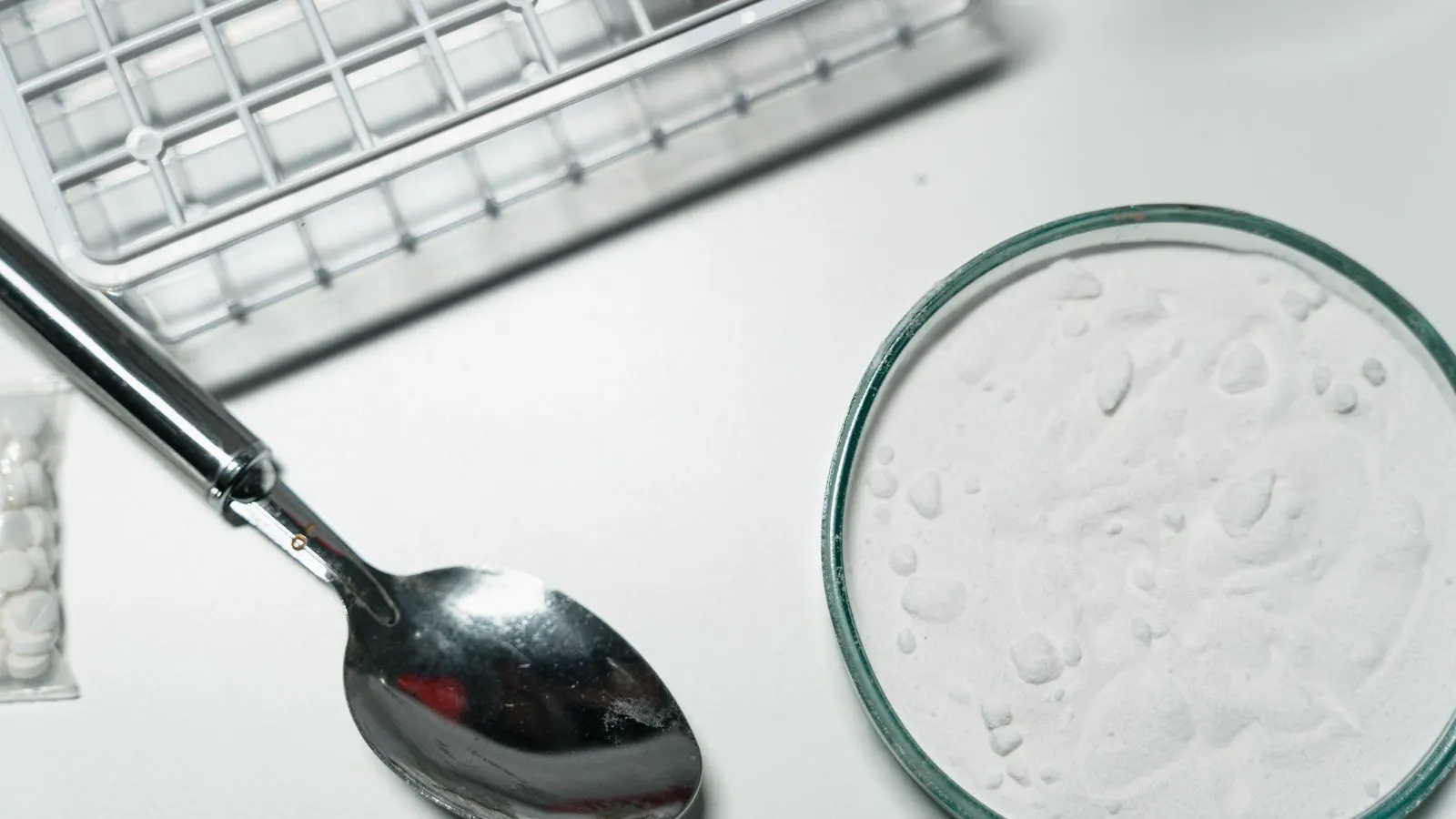
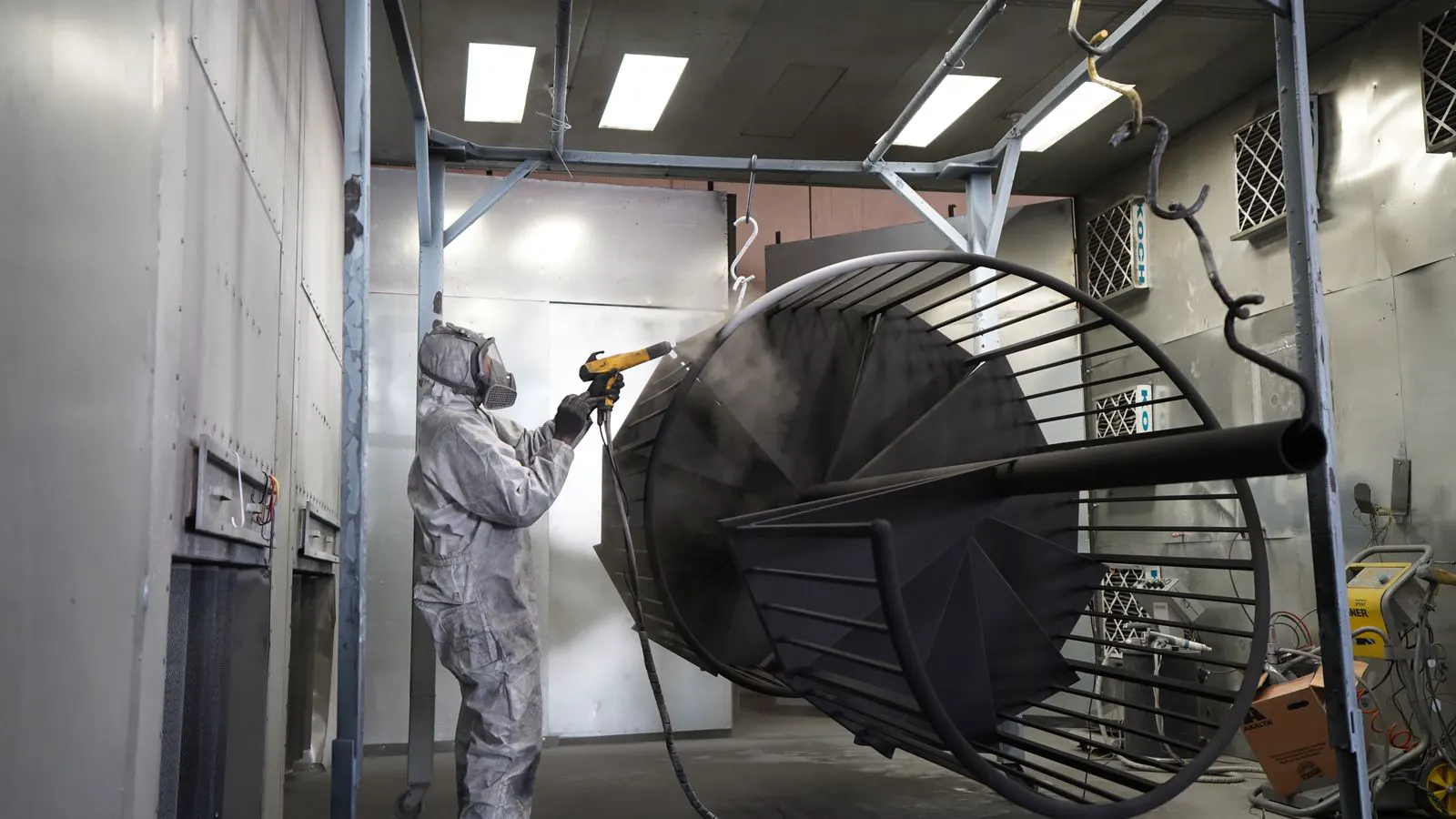
Powder coating is a dry process where a fine powder is applied electrostatically to a part and then cured in an oven. Several factors influence the final cost:
- Material Type: Different powder grades cost different amounts. Standard epoxy and polyester powders are generally more affordable than specialized high-gloss or textured options.
- Curing Energy: The oven requires significant heat, which adds to energy costs. Larger or thicker parts may require longer cure times, increasing the per-unit cost.
- Throughput and Batch Size: Small batches incur higher labor and setup costs per unit. Large production runs allow for better equipment utilization and lower per-part costs.
- Equipment and Facility: High-capacity lines with automated application and curing systems can reduce labor costs but require significant capital investment.
What Drives Liquid Paint Cost?
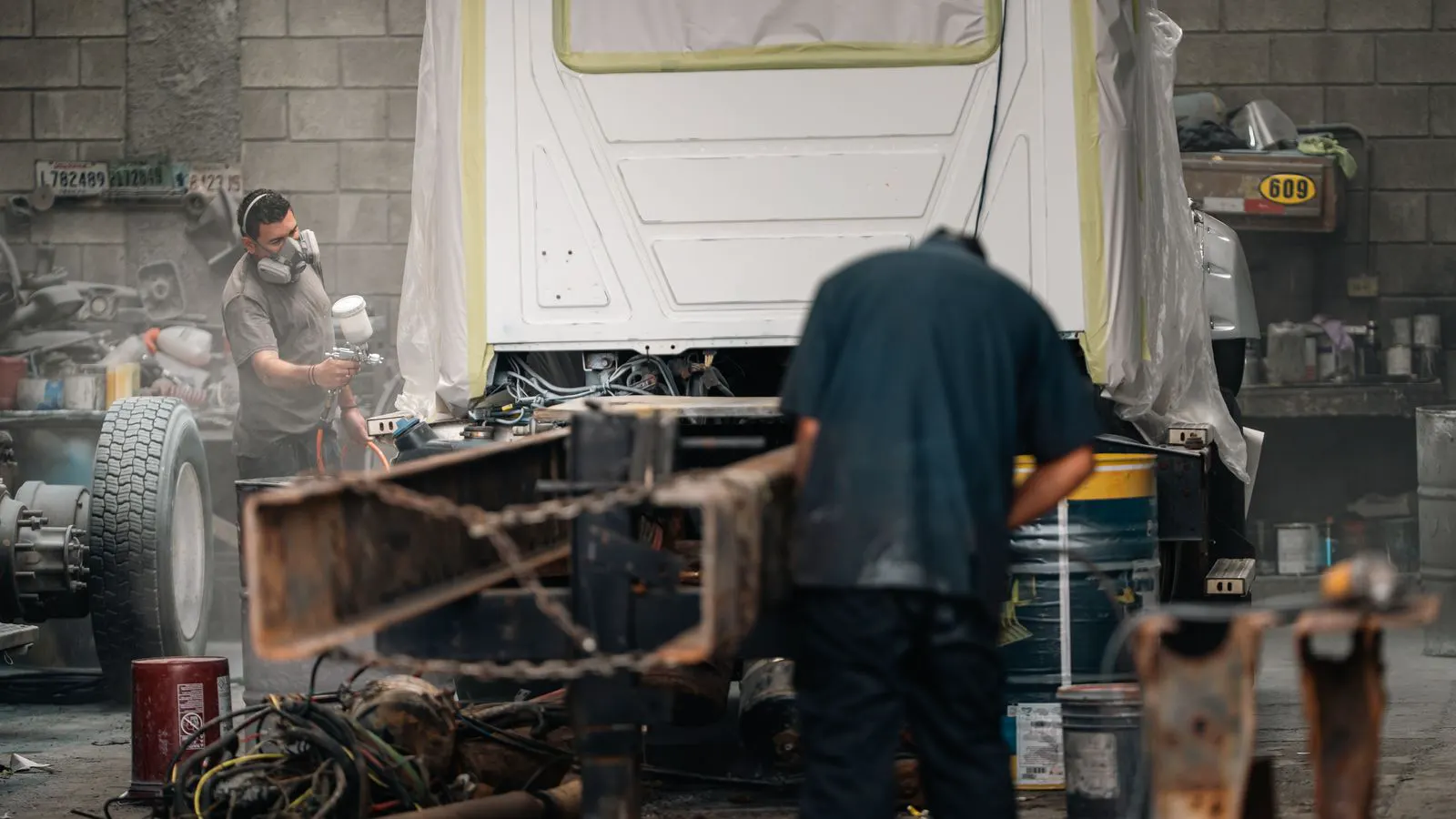
Liquid paint involves applying a liquid resin to a part, which is then cured in an oven or air-dried. The cost structure includes:
- Solvents and Thinners: Liquid paints often require solvents for mixing and cleaning, which add material costs and may involve disposal fees.
- Ovens and Curing: Liquid paints also require curing, but the temperature and time requirements can vary. Some systems use lower-temperature ovens, which may reduce energy costs.
- Application Method: Spray booth efficiency and the skill of the applicator affect waste rates. Poor application can lead to overuse of material and rework.
- VOC Regulations: Compliance with environmental regulations may require additional equipment for ventilation or waste treatment, impacting operational costs.
Lead Time Comparison: Powder Coating vs. Liquid Paint
Lead time is often as important as cost for procurement managers. It refers to the time from order placement to delivery of the finished parts.
- Powder Coating Lead Time: This depends on the facility’s current backlog, the complexity of the parts, and the curing cycle. A standard powder coating job might take 3 to 7 days for small batches, but large production runs can take longer due to scheduling.
- Liquid Paint Lead Time: Liquid paint can have similar lead times, but the application and curing processes may vary. Some liquid paint systems allow for faster touch-ups or smaller batch runs, which can reduce lead time for urgent orders.
How to Write a Clear RFQ
A Request for Quote (RFQ) must provide enough information for suppliers to give accurate and comparable prices. Ambiguity in the RFQ often leads to quotes that are too low (missing costs) or too high (over-estimating complexity).
A well-written RFQ should include:
- Part Specifications: Dimensions, material, and surface condition.
- Coating Requirements: Color, thickness, gloss level, and performance standards.
- Quantity: Total volume and any phased delivery requirements.
- Timeline: Desired delivery date and any critical milestones.
- Quality Standards: Acceptance criteria for color, adhesion, and appearance.
How to Compare Quotes Fairly
When comparing quotes from different suppliers, it is essential to normalize the data to ensure a fair comparison.
- Standardize Units: Ensure all quotes are based on the same unit of measure (e.g., per square foot, per part, or per batch).
- Check Inclusions: Verify what is included in the price. Does it cover pretreatment, coating, curing, and inspection?
- Assume Throughput: If your volume is high, ask how the price changes with increased throughput.
- Review Lead Time: Compare the quoted lead time against your project schedule. A lower price with a longer lead time may not be viable.
- Ask for Samples: Request a sample for evaluation before committing to a large order.
Cost Drivers at a Glance
The table below summarizes the key cost drivers for powder coating and liquid paint. Use this as a checklist when reviewing quotes.
| Cost Driver | Powder Coating | Liquid Paint |
|---|---|---|
| Material Cost | Powder price per pound; includes binders and pigments. | Paint price per gallon; includes resins, solvents, and additives. |
| Energy Cost | High oven temperature for curing; energy per hour. | Oven temperature varies; may include drying time. |
| Labor Cost | Application, handling, and inspection. | Mixing, application, and cleanup of equipment. |
| Waste and Rework | Powder can be reclaimed; minimal waste. | Solvent waste and potential over-spray; higher rework rates. |
| Equipment Wear | Hopper and gun maintenance. | Spray booth, filters, and cleaning equipment. |
| Environmental | Low VOC; less disposal cost. | High VOC; requires ventilation and waste treatment. |
Budgeting for Total Cost of Ownership
When budgeting for a coating project, consider the total cost of ownership (TCO) over the life of the part.
- Durability: Powder coating is generally more durable and resistant to chipping and corrosion than liquid paint. This can reduce maintenance and replacement costs over time.
- Lifecycle Cost: If a part is used in a harsh environment, the higher upfront cost of powder coating may be offset by longer service life.
- Scalability: As production volumes increase, the cost per unit for both methods may decrease. However, the scale at which this occurs differs between the two processes.
Conclusion
Choosing between powder coating and liquid paint requires a detailed analysis of cost and lead time. By understanding the factors that drive price and delivery, procurement managers can make informed decisions. A clear RFQ and a fair comparison of quotes are essential to securing the best value for your project.
Frequently asked questions
Is powder coating always more expensive than liquid paint?
Not necessarily. Powder coating can be more cost-effective for large production runs due to lower waste and higher durability, while liquid paint may be cheaper for small batches or specific aesthetic requirements.
How does lead time affect the total cost?
Lead time can impact cost through expedited fees, storage costs, or production delays. A longer lead time may allow for better scheduling and lower rush fees, but it can also delay revenue from shipped parts.
Can I compare a powder coating quote with a liquid paint quote directly?
It is difficult to compare them directly without normalizing for throughput, quality standards, and inclusions. Ensure both quotes are based on the same unit of measure and include all necessary services.
What is the biggest cost driver for powder coating?
The biggest cost drivers are usually material (powder price) and energy (curing). Labor and equipment wear also play a significant role, especially for small batches.
How can I reduce the cost of liquid paint?
To reduce liquid paint costs, focus on improving application efficiency, minimizing waste through better mixing and spray technique, and negotiating bulk material prices.