Fixing Orange Peel in Powder Coating Before Final Inspection
Orange peel is a common powder coating defect caused by uneven curing, powder flow issues, or incorrect oven conditions. This guide lists likely causes and fixes to improve surface finish quality before final inspection.
- Orange peel appears when the coating cures too fast or the powder does not flow evenly onto the part.
- Check oven temperature profiles, powder humidity, and part pretreatment before blaming the coating material.
- Use the symptom cause fix table below to match the defect to a standard correction method.
- Prevention focuses on stable curing, consistent pretreatment, and regular equipment checks rather than applying thicker coats.
What Does Orange Peel Look Like in Powder Coating
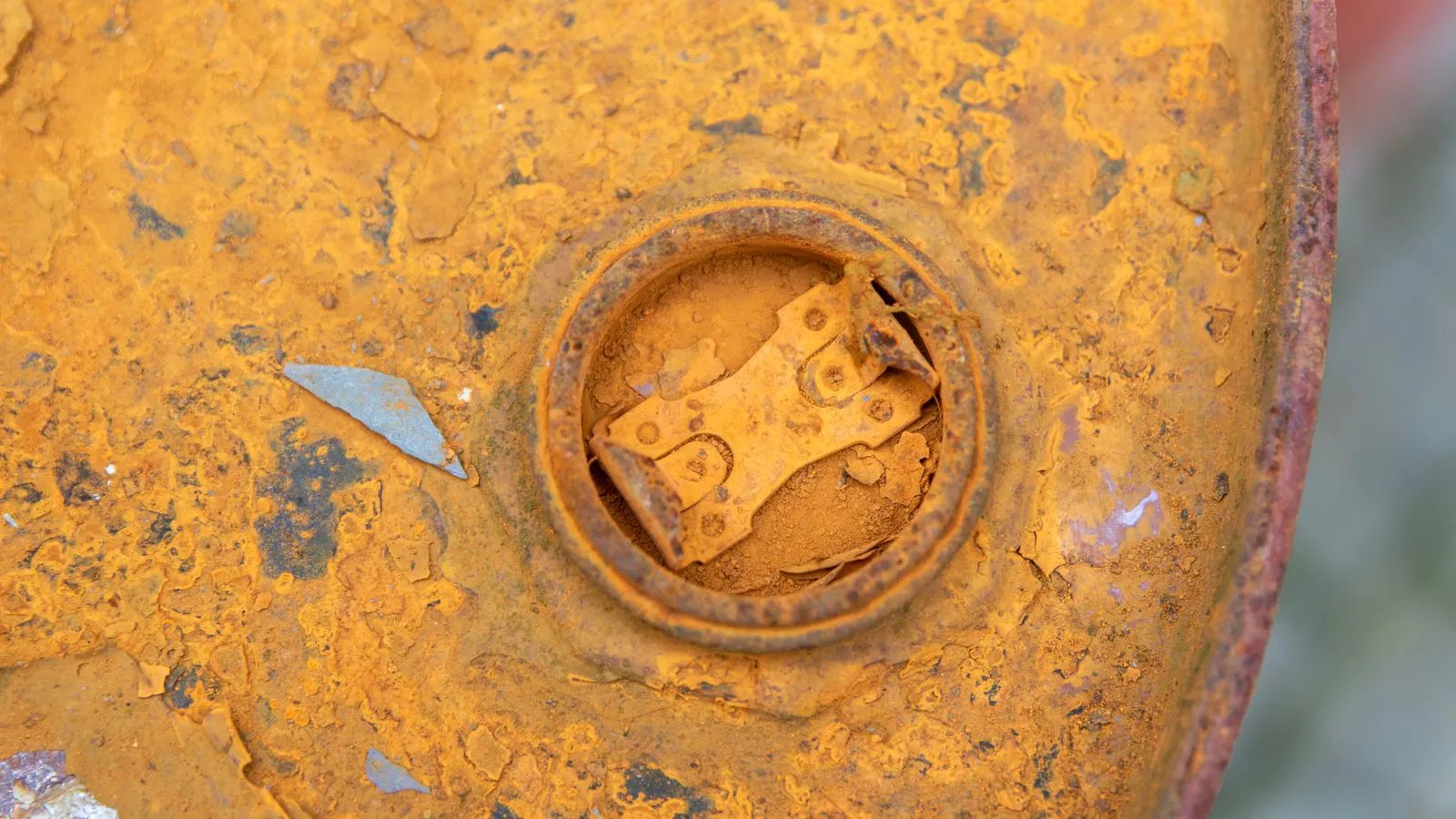
Orange peel is a texture defect that makes a finished surface look like the skin of an orange. Instead of a smooth, flat film, the coating forms small raised bumps or a wavy texture. The defect is often visible under raking light, where shadows highlight the unevenness.
Engineers and buyers usually notice this defect during final inspection. It can reduce the visual appeal of a finished part and, in some cases, affect the perceived durability of the finish. The texture itself is usually cosmetic, but it may indicate a process problem that needs correction before the lot is accepted.
The defect appears in different forms depending on the severity. Minor orange peel may be a subtle ripple that is only visible when you look at the part from an angle. Severe orange peel creates a pronounced texture that feels rough to the touch. Both forms stem from the same basic issue: the coating did not level properly before it hardened.
In a typical production environment, a quality inspector might run a fingernail across a painted door panel or a machine housing. If the surface feels smooth, the powder has flowed into a continuous film. If it feels like fine sandpaper or has distinct dimples, the orange peel is present. The size of these dimples varies. A fine grain may be less than one millimeter across, while a coarse defect can be several millimeters. The depth matters too. A shallow wave is often acceptable for interior parts or areas not subject to high visual scrutiny. A deep dimple, however, creates stress concentrations and looks out of place in a finished assembly.
What Causes Orange Peel in Powder Coating
The most common cause is an oven that is too hot or too fast. Powder coating needs a specific temperature curve to melt, flow, and cure. If the part enters the oven at too high a temperature, the outer layer of powder can skin over before the powder underneath has a chance to flow. The trapped powder creates the raised texture.
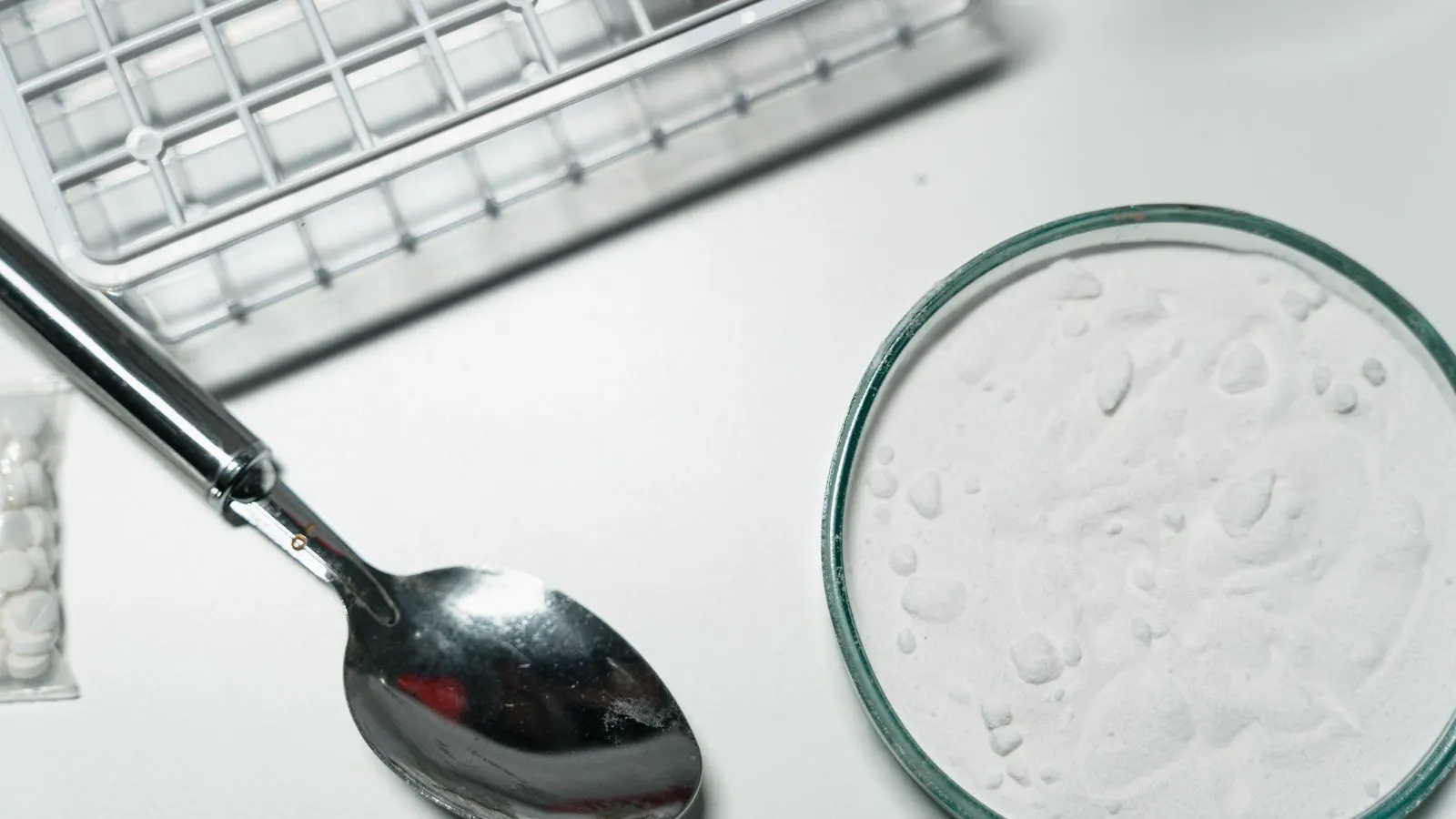
Another common cause is poor powder flow. If the powder does not apply evenly to the part, or if the powder is clumpy, the coating will not level smoothly. This can happen when the powder has been stored in a humid environment or when the application equipment is not set correctly.
Pre-treatment also plays a major role. If the part is not cleaned and prepared properly, the powder may not adhere uniformly. Residual oil, water, or contaminants can create high spots that prevent the coating from flowing flat.
Understanding the physics of the cure helps explain why the defect forms. Powder coating is a thermoplastic or thermoset material that requires heat to transition from a solid state to a liquid-like state and then to a solid film. During the liquid phase, surface tension drives the coating to level out. It seeks the lowest energy state, which is a flat, smooth surface. If the surface tension is too low, or if the time spent in the liquid phase is too short, the coating cannot flatten. The result is a surface that retains the shape of the applied powder.
Temperature is the primary driver. If the oven temperature is too high, the skin forms too quickly. The outer layer solidifies or becomes very viscous before the inner layers have time to level. This is known as skin-over. The powder underneath continues to melt and flow, but it is trapped under the hard skin. This creates the characteristic texture. Conversely, if the temperature is too low, the powder may not melt fully. In this case, the surface may look matte or have a rough, dry texture, but it is not always classified as orange peel. It is more of a cure deficiency.
Application thickness is another factor. If the powder coat is too thick, the powder underneath has a longer distance to level. The gravity force acting on the powder is not enough to overcome the viscosity of the coating during the short time it is in the liquid phase. This is why thick sections, such as corners, edges, and recesses, often show more orange peel than flat surfaces.
Powder properties also matter. Different powders have different melt points and flow rates. A powder with a high melting point may require a higher oven temperature to flow properly. If the oven is set for a standard powder but the operator switches to a high-temperature powder without adjusting the cure, the result is poor flow and potential orange peel. Similarly, if the powder is old or has absorbed moisture, its flow characteristics change. Clumps of powder will not spread evenly, leading to uneven thickness and texture.
Troubleshooting Orange Peel in Powder Coating
Use the table below to match the symptom you see to the likely cause and the standard fix. This approach helps you avoid guessing and focus on the process steps that actually create the texture.
| Symptom | Likely cause | What to do |
|---|---|---|
| Texture appears on flat surfaces and is uniform | Oven temperature too high or cure cycle too short | Lower the peak temperature and extend the dwell time in the curing zone to allow leveling |
| Texture is more pronounced on thick sections or edges | Uneven heat distribution or powder buildup in thick areas | Check oven airflow and adjust powder application thickness for thick sections |
| Surface feels rough to the touch | Powder clumping or low humidity control | Dry the powder and inspect the hopper and application gun for blockages |
| Defect appears after a change in coating material | New powder has different flow properties | Re-run the process validation with the new powder and adjust oven settings if needed |
| Texture is only visible under raking light | Minor skin-over from fast cure | Extend the preheat phase before the part reaches peak temperature |
| Defect appears on parts with poor pretreatment | Contaminants or uneven surface energy | Improve cleaning, verify rinse water quality, and check the pH of the pretreatment bath |
When you identify the cause, apply the fix and re-inspect a small sample before running the full lot. This saves time and prevents a large batch from failing inspection.
To verify the oven temperature, do not rely on the controller display alone. Install a calibrated thermometer or thermocouple in the oven and compare its reading to the controller. The oven temperature can vary by several degrees from the set point if the heating elements are failing or if the airflow is restricted. A hot spot in the oven can cause parts to cure at different rates. For example, if a rack of parts is positioned near a heating element, the side of the part facing the element may skin over while the opposite side is still flowing. This leads to uneven texture.
Check the powder humidity regularly. Powder is hygroscopic, meaning it absorbs moisture from the air. When moisture is present, the powder forms clumps. These clumps do not atomize properly during application. They deposit as thick, irregular deposits on the part. When these deposits cure, they create high spots and texture. A simple test is to take a sample of powder from the hopper and rub it between your fingers. If it feels gritty or forms balls, the humidity is too high. Use a powder dryer or desiccant to reduce the moisture content.
Inspect the pretreatment bath. The chemical cleaning process prepares the metal surface for powder adhesion. If the bath is dirty or the pH is out of range, the surface will have contaminants or inconsistent surface energy. This prevents the powder from spreading evenly. Check the bath regularly and change the chemicals when the bath life is exhausted.
How to Correct Orange Peel on Finished Parts
Sometimes the defect is already on a finished part and you need to correct it before delivery. The standard method is to re-cure the part at a lower temperature for a longer period. This allows the coating to soften just enough to level the texture without melting off the surface.
The re-cure must be controlled. If you apply too much heat, you risk melting the coating or causing other defects. Follow the coating manufacturer’s re-cure instructions, or use a conservative temperature profile if you do not have them on hand.
For small areas, you may be able to spot-treat the defect. Apply a thin, even layer of powder over the affected area and cure it under the corrected conditions. This can smooth the texture if the underlying cause has been addressed.
In severe cases, the part may need to be stripped and recoated. This is more costly and time-consuming, so it is usually reserved for high-value parts or when the defect is widespread.
When re-curing, the goal is to return the coating to its melt point and allow it to flow. However, you must avoid exceeding the maximum service temperature of the powder. Excessive heat can cause the coating to yellow, lose gloss, or become brittle. A typical re-cure profile might involve holding the part at a temperature slightly above the standard cure temperature for a longer duration. For example, if the standard cure is 230 degrees Celsius for 20 minutes, a re-cure might be 210 degrees Celsius for 45 minutes. The lower temperature prevents skin-over, while the longer time allows the coating to level.
If the orange peel is localized, you can apply a thin coat of powder over the affected area. This is called a touch-up. The new powder must be the same color and type as the original. It must also be cured under the same conditions. If the underlying cause of the orange peel is not fixed, the new coat may also show texture. Therefore, always correct the process before applying a touch-up.
For large areas, stripping and recoating is the only option. Stripping involves removing the old coating using chemical strippers, sanding, or blasting. This is labor-intensive and can damage the part if not done carefully. It is usually reserved for high-value parts, such as automotive components or architectural elements, where the visual appearance is critical.
Prevention Tips for a Smooth Surface Finish
Preventing orange peel is easier than fixing it. The goal is to keep the process stable and consistent so that the coating levels properly every time.
- Monitor oven temperature and airflow. Install thermocouples in the oven and check them regularly. Uneven heat distribution can cause some parts to cure faster than others.
- Control powder humidity. Store powder in a dry environment and use desiccant packets or a dryer if needed. Clumpy powder will not flow evenly.
- Verify part pretreatment. Check that parts are clean, dry, and properly passivated before powder application. Any contamination can create high spots.
- Run a process validation after any change. If you change powder, pretreatment, or oven settings, run a small test lot and inspect it before producing the full batch.
- Inspect under raking light. Final inspection should include a check with light at an angle to reveal minor texture that is not visible under direct lighting.
To monitor oven temperature, use multiple thermocouples placed in different zones of the oven. This helps identify hot spots and cold spots. If one zone is significantly hotter than another, adjust the airflow or move the heating elements. Uneven airflow can cause parts to cure at different rates. For example, if a part is positioned in a dead zone where air does not circulate well, the coating may not level properly.
To control powder humidity, use a desiccant in the powder storage area. Desiccant absorbs moisture from the air and keeps the powder dry. Check the desiccant regularly and replace it when it is saturated. You can also use a powder dryer that circulates dry air through the hopper. This is especially important in humid climates or during winter when the temperature difference between outside and inside can cause condensation.
To verify pretreatment, use a surface energy test. Apply a drop of water to the surface. If it beads up, the surface is hydrophobic and likely has contaminants. If it spreads out, the surface is hydrophilic and clean. You can also use a pH strip to check the pretreatment bath. The pH should be within the range specified by the chemical manufacturer. If the pH is out of range, the cleaning is ineffective, and the powder will not adhere properly.
When to Consult the Coating Supplier
If you have corrected the oven, pretreatment, and powder handling but the defect persists, contact the powder coating supplier. They can review the process and suggest adjustments. They may also provide a re-cure profile specific to their product.
Keep records of the defect, the process parameters, and the corrections you made. This information helps the supplier diagnose the issue faster and provides documentation for quality control.
When contacting the supplier, provide them with detailed information. Include photos of the defect, the part type, the material, and the process parameters. Specify the oven temperature, cure time, powder type, and pretreatment steps. This information helps the supplier understand the problem and suggest a solution. They may ask for a sample of the defective part to analyze. They may also provide a technical data sheet with the recommended cure profile for their powder.
How Orange Peel Affects Final Inspection
Orange peel is a visual defect, but it can affect acceptance criteria. Some customers have strict standards for surface finish quality, and even minor texture may cause a lot to be rejected.
Before final inspection, check the part under the same lighting conditions that will be used in production. This helps you catch the defect early. If the defect is present, apply the fixes listed above and re-inspect.
A smooth, professional finish is a sign of process control. Addressing powder coating defects like orange peel improves the overall quality of the part and reduces the risk of customer complaints.
Final inspection is the last line of defense against quality issues. The inspector should use a standardized lighting setup. For example, a light source at a 45-degree angle to the surface, with the inspector viewing from the opposite angle. This raking light reveals texture and unevenness. The inspector should also use a tactile method, running a fingernail or a soft cloth over the surface. This helps detect texture that is not visible under lighting.
If the defect is present, the part should be rejected or reworked. If the defect is widespread, the entire lot may need to be reworked. This is costly and time-consuming. Therefore, prevention is better than cure. By monitoring the process and making adjustments before the defect occurs, you can maintain a consistent, high-quality finish.
Frequently asked questions
Can orange peel be fixed without recoating the entire part?
Yes, minor defects can often be corrected by re-curing the part at a lower temperature for a longer period. This allows the coating to level without stripping.
Is orange peel a sign of a coating problem or a process problem?
It is usually a process problem, such as incorrect oven temperature or poor powder flow. The coating material itself is rarely the cause unless it has been stored improperly.
How do I check if my oven is causing orange peel?
Verify the oven temperature profile and check that the heat is distributed evenly. Use thermocouples to measure the actual temperature at the part location.
What is the best way to prevent orange peel?
Keep the powder dry, verify part pretreatment, and maintain a stable curing cycle. Regular inspections under raking light help catch the issue early.
Does orange peel affect the durability of the coating?
In most cases, it is a cosmetic defect and does not significantly affect durability. However, severe texture may indicate a deeper process issue that should be addressed.