Cost and Lead Time for Custom Liquid Painting
Custom liquid painting cost depends on part complexity, coating type, and surface prep. Lead times vary based on volume and supplier capacity. Engineers should itemize specs to compare quotes fairly and control industrial paint budgeting.
- Cost and schedule for custom liquid painting depend on part geometry, coating chemistry, and surface preparation.
- Clear RFQs with detailed drawings and finish specs reduce quote variance and rework.
- Compare quotes by breaking down materials, labor, and prep costs rather than relying on final totals.
- Lead time buffers for testing and approvals help prevent project delays in industrial paint budgeting.
What Drives the Cost of Custom Liquid Painting
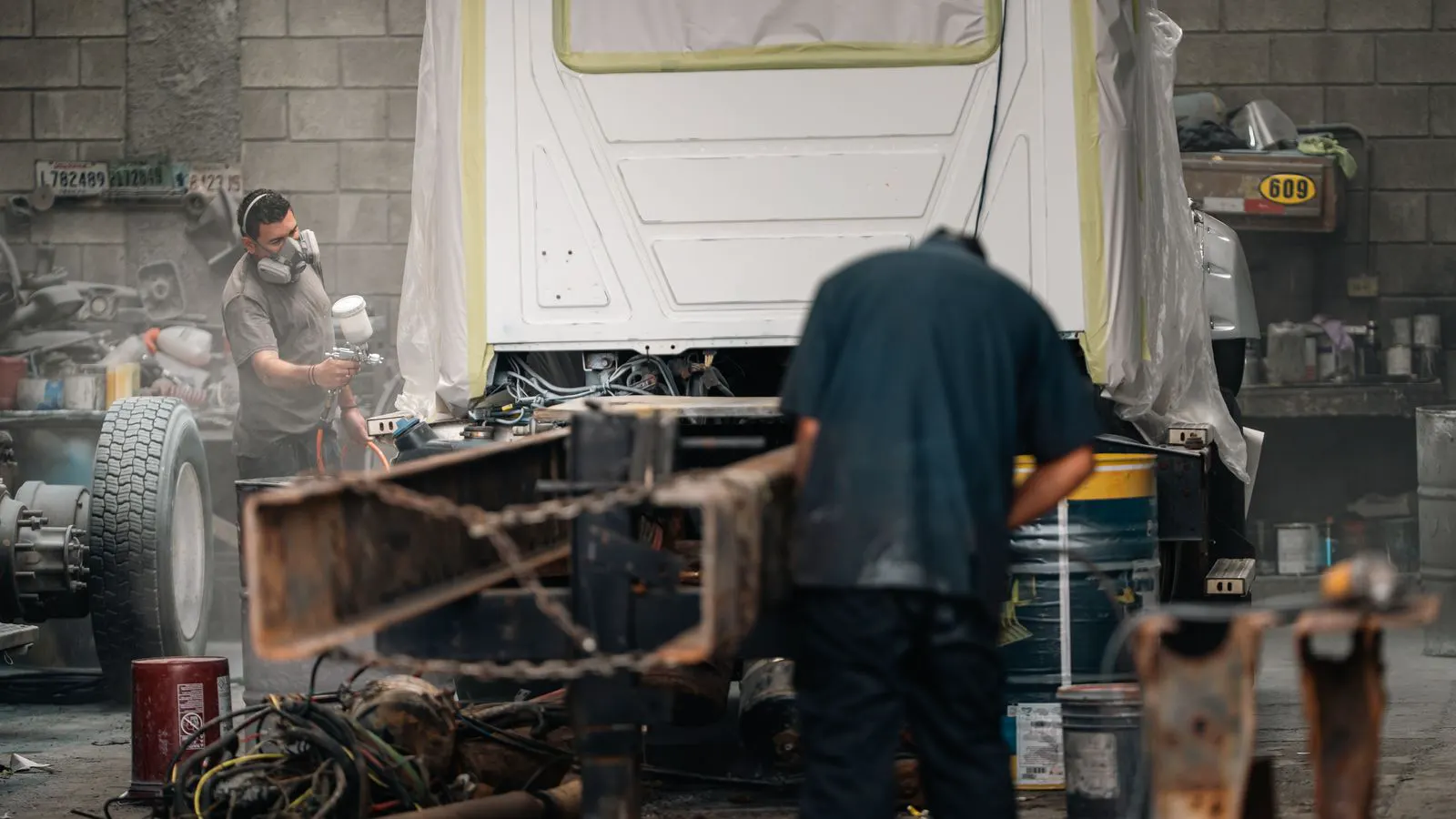
Custom liquid painting cost is rarely a single number. It is the sum of materials, labor, equipment access, and quality control. A flat plate and a complex chassis frame can both use the same base color, but the price difference will come from spray time, masking, and application method.
Engineers often assume that the paint itself is the main cost. In practice, the coating is a smaller portion of the final bill. The surface preparation work usually carries more weight. Grinding, chemical cleaning, and masking add labor hours that scale with part complexity. A part with many hidden cavities or thin features requires more careful application and longer cure times.
The type of coating also changes the budget. Acrylic, urethane, and epoxy systems have different material costs and different equipment requirements. High-build systems may need multiple coats and longer flash times. This increases the time the part sits in the production queue. That time is not free. It occupies floor space and delays downstream assembly.
How Painting Lead Times Affect Your Project Schedule
Painting lead times are more than just the cure cycle. They include the time to receive the parts, prep them, apply the coating, cure, inspect, and package. A small batch can move quickly if the supplier has open capacity. A large production run may require scheduling multiple oven cycles or spray lines.
The schedule risk is highest when the RFQ is vague. If you request a “standard industrial finish” without specifying gloss, color match, or salt spray requirements, the supplier must make assumptions. Those assumptions often lead to a first quote that is not the final cost. The supplier may need to rework the spec, which adds days to the process.
Lead times also depend on the type of equipment used. Conventional spray booths may be faster for small runs. Robotic lines may be slower to program for one-off parts. Waterborne systems can require different ventilation and cure times than solvent-based systems. The supplier must match the production method to the part volume.
How to Write a Clear RFQ for Liquid Paint
A clear RFQ removes ambiguity and helps suppliers price the job accurately. The most common mistake is sending only a part number and a color code. The supplier then has to guess the surface condition, the required thickness, and the inspection criteria.
Include the following items in every request. First, provide the part drawings or a 3D model. Second, state the material and the current surface condition. Is the part bare, zinc plated, or previously painted? Third, specify the exact coating system if you have a preferred brand or chemistry. If you are open to options, state the performance requirements instead.
Fourth, define the finish. Give the gloss range, the color standard, and any texture requirements. Fifth, list the inspection tests. Salt spray hours, adhesion pull-off values, or cross-cut tests should be named. If the part will be painted in the field, mention that. Field application often changes the price structure because it requires different packaging and instruction sheets.
How to Compare Quotes Fairly
Comparing liquid painting quotes is difficult when suppliers package costs differently. One supplier may include surface prep in the unit price. Another may charge prep as a separate line item. To compare fairly, ask for a breakdown.
Look for these line items in the quote. Material cost per liter or per kilogram. Labor hours for prep and application. Equipment surcharge for special booths or robotic arms. Quality control fees for testing. Packaging and shipping costs. If one quote looks lower, check what is missing. A low price might exclude the masking required for the part’s geometry.
Do not compare the final total alone. Ask for the basis of the quote. How many parts were assumed? What is the tolerance for color variation? What happens if the part fails inspection? The terms of the quote matter as much as the number on the paper.
Key Cost Drivers and Schedule Variables
The table below lists the main factors that affect custom liquid painting cost and delivery time. Use this list when reviewing your own RFQ or when evaluating supplier responses.
| Cost and Schedule Driver | Impact on Price and Lead Time |
|---|---|
| Part Geometry and Complexity | More cavities and thin features increase masking and spray time. |
| Surface Preparation | Grinding and cleaning add labor hours and material waste. |
| Coating Chemistry | High-build or specialty systems may require multiple coats. |
| Batch Size | Small batches have higher per-unit costs and longer setup times. |
| Inspection Requirements | Salt spray or adhesion testing adds quality control labor. |
| Lead Time Request | Expedited processing often carries a premium fee. |
How to Manage Industrial Paint Budgeting
Industrial paint budgeting requires planning for variability. The first quote is a starting point, not a final price. Suppliers need to see the parts to confirm the prep work. If the parts arrive with unexpected rust or damage, the cost will increase.
Build a buffer into the schedule. Allow time for sample approvals. Do not assume the first sample is the final product. Color matching is subjective. A small difference in gloss or hue can be acceptable, but it requires agreement before mass production.
For budgeting, separate the variable costs from the fixed costs. The material cost varies with the number of parts. The setup cost for the spray line is fixed for the run. If you are running a small quantity, the fixed cost per part will be high. If you are running a large quantity, the fixed cost spreads out.
Common Mistakes That Increase Cost
Engineers often underestimate the cost of rework. If the surface prep is insufficient, the coating may peel or blisters. This requires stripping and repainting. The cost of stripping is often higher than the cost of the initial coating.
Another mistake is ignoring the cure time. Liquid paints need time to dry and cure. Rushing the process to meet a deadline can lead to defects. The part may pass a visual check but fail an adhesion test later. The supplier may not cover the cost of failure if the specification was not clear.
Finally, do not assume that the cheapest paint is the best value. A lower cost paint may require more coats to reach the required thickness. This increases labor time and material usage. The total cost can end up higher than using a higher quality coating system.
When to Select Liquid Painting Over Other Options
Liquid painting remains a standard for many applications where flexibility and color variety are needed. Powder coating is often faster and more durable for high-volume production. However, liquid painting can achieve finer color variations and is often easier to apply to complex geometries that are difficult to powder coat.
The decision depends on the part. If the part has small holes or deep cavities, powder may not coat evenly. Liquid spray can reach those areas more easily. If the part requires a clear top coat over a colored base, liquid systems offer more control.
The choice also depends on the schedule. Powder coating ovens are often faster, but the load size must be optimized. Liquid booths can be more flexible for small batches. The supplier will have a production schedule. If your parts can fit into an open slot, the lead time will be shorter. If you must wait for a specific oven load, the lead time will be longer.
Final Checks Before Placing the Order
Before you place the order, review the RFQ one last time. Check the part number, the quantity, and the delivery date. Confirm the color standard and the gloss range. Make sure the inspection tests are listed.
Ask the supplier about their capacity. If they are running at full capacity, your lead time may slip. Ask what happens if the parts are late. Ask about the payment terms. These details protect the project budget and the schedule.
A well-managed liquid painting project starts with clear communication. The cost and lead time are not fixed until the specification is final. By itemizing the requirements and comparing quotes by component, you can control the industrial paint budget and meet the project deadline.
Frequently asked questions
What is the biggest factor in custom liquid painting cost?
Surface preparation and part complexity usually drive the cost more than the paint itself. Complex geometry and poor surface condition require more labor and material.
How long do painting lead times typically take?
Lead times vary by supplier capacity and part volume. Small batches may take a few days, while large production runs can take several weeks.
Can I reduce the cost of liquid painting?
Yes. Simplifying the part geometry, improving surface prep, and standardizing the finish can lower costs. Avoiding rework is also key.
What should I include in an RFQ for liquid paint?
Include part drawings, surface condition, coating system, finish specs, and inspection tests. This helps suppliers provide an accurate quote.
How do I compare quotes from different suppliers?
Break down the quotes into materials, labor, and prep costs. Do not compare only the final total. Check what is included and what is excluded.