What Is Salt Spray Testing for Coatings
Salt spray testing measures coating durability by exposing samples to a controlled salt mist environment. The test tracks corrosion and adhesion over time to verify protection. It serves as a standard benchmark for comparing coating systems.
- Salt spray testing simulates coastal or industrial corrosion conditions in a controlled chamber.
- The test evaluates how quickly a coating fails through rust, blistering, or adhesion loss.
- Results depend on sample size, solution concentration, and exposure time.
- Buyers should match test duration and pass criteria to the specific service environment.
- Visual inspection alone is often insufficient; cross-section analysis provides clearer data.
What Salt Spray Testing Actually Measures
Salt spray testing is a standardized method for evaluating corrosion resistance. It exposes a coated sample to a mist of sodium chloride solution. The process accelerates the corrosion cycle that naturally occurs in salty air.
The test does not measure the life of a part in the field. It measures the time it takes for a coating system to show visible failure. Engineers use this data to compare different coatings, thicknesses, and surface preparations. A coating that survives a long exposure period is generally considered more durable than one that fails quickly.
The result is a comparison point. If Coating A shows rust at the edge of a bolt hole after a few hours, and Coating B remains intact, Coating B is better suited for harsh environments. This comparison drives sourcing decisions when selecting plating, painting, or conversion coatings for hardware.
How the Salt Spray Chamber Works
A typical salt spray chamber is a closed, misting enclosure. The chamber holds a heated salt solution. The solution is atomized into a fine mist that coats the interior walls and the test samples.
The mist consists of a sodium chloride solution. The concentration is usually fixed at a specific percentage, commonly 5 percent. The solution is heated to a set temperature, often in the low 60s Celsius. This temperature keeps the mist suspended and prevents it from settling.
The chamber is maintained at a specific humidity level. Usually, this is near 100 percent relative humidity. The environment is controlled to ensure consistent conditions. Any deviation in temperature, humidity, or mist concentration can change the outcome.
Samples are mounted on racks inside the chamber. They must be spaced out to allow airflow. Air movement helps keep the mist moving over the surfaces. This mimics the way salt air moves around objects in the field. The sample orientation matters. Vertical and horizontal surfaces react differently to the mist.
What Failure Looks Like
Failure in a salt spray test is defined by visible changes to the coating or substrate. The most common failures are rust, blistering, and cracking.
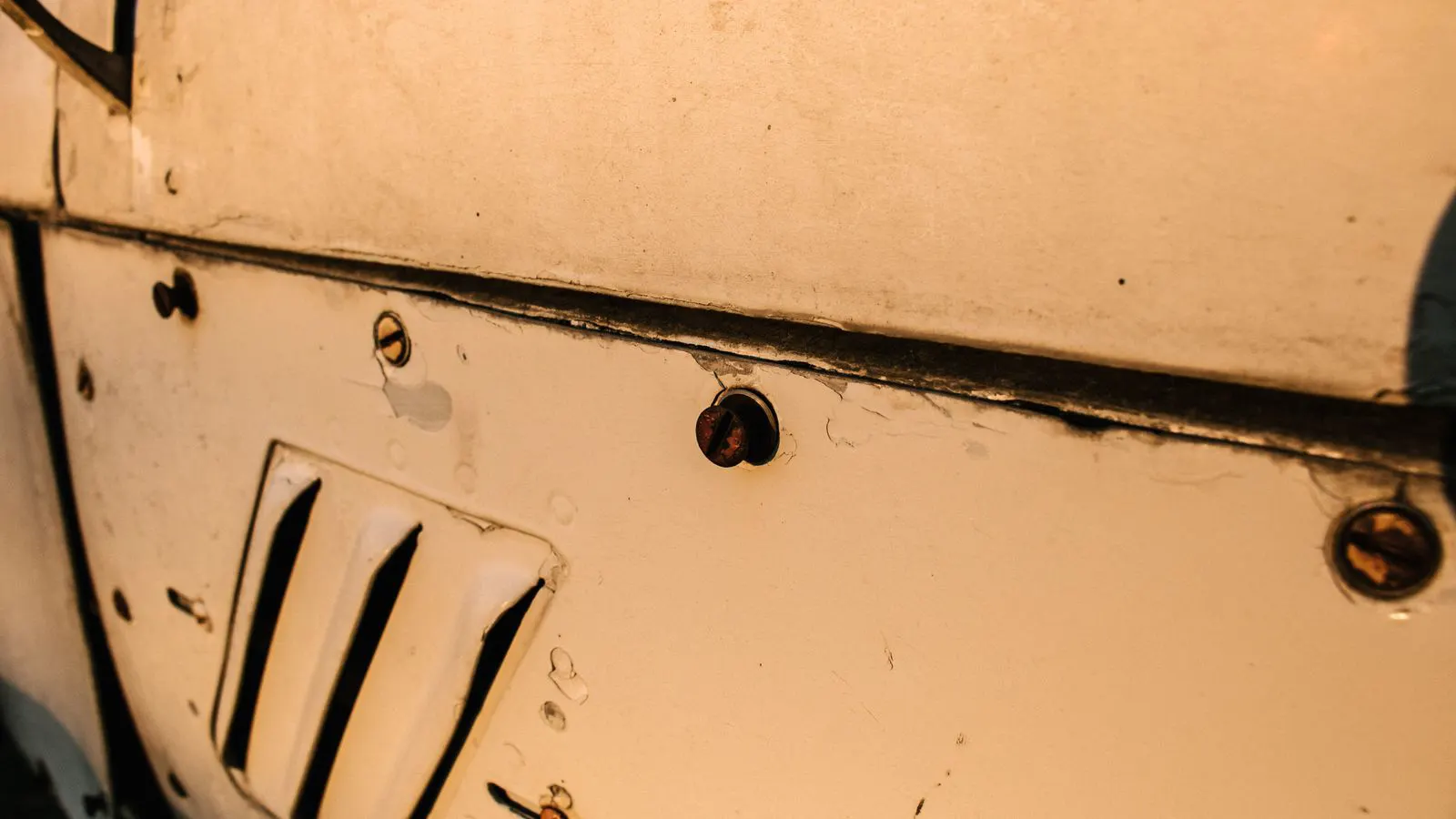
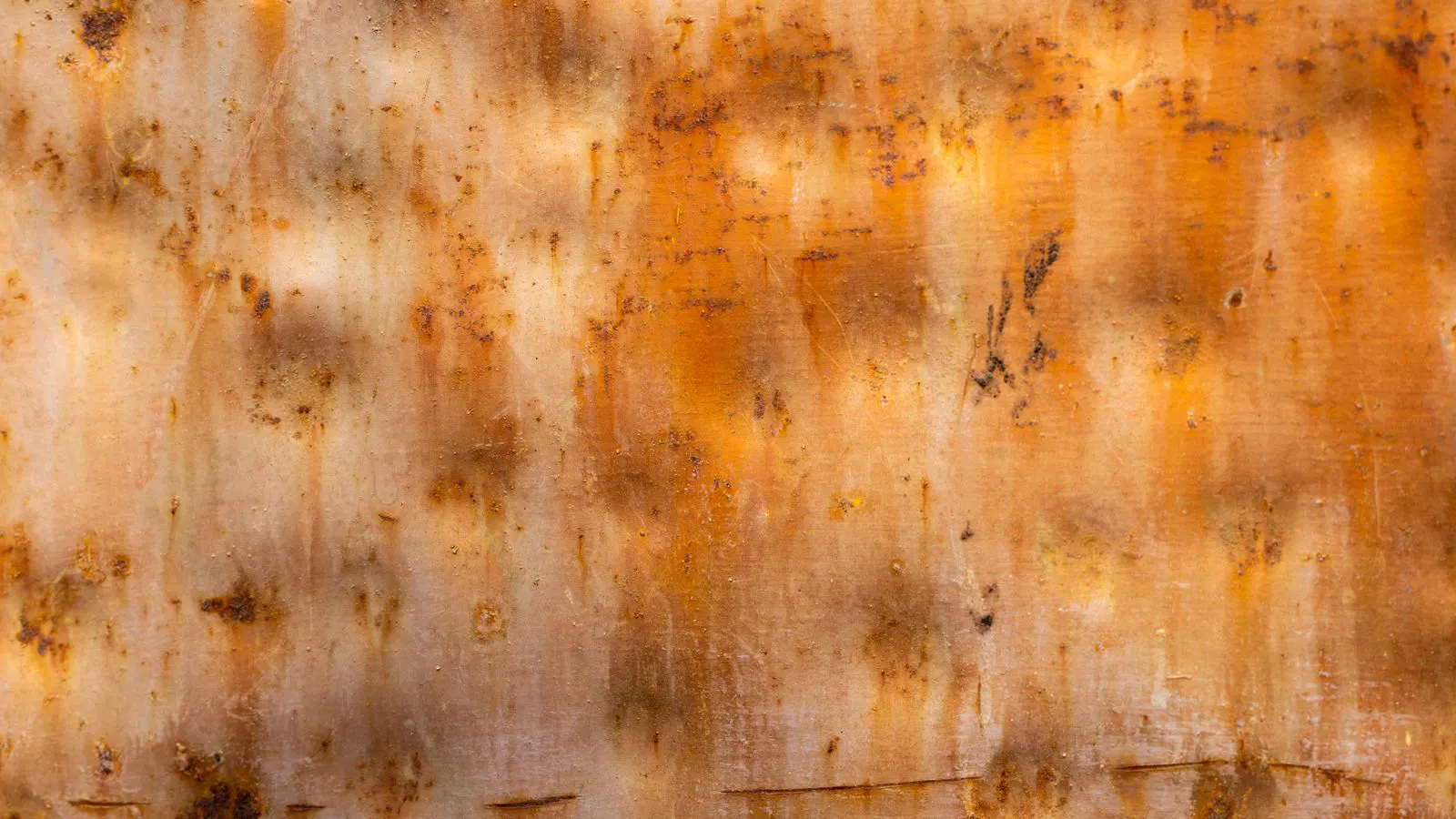
Rust appears as reddish-brown discoloration. It often starts at edges, scratches, or uncoated areas. Blistering looks like small bubbles under the coating. These bubbles indicate that the coating is separating from the substrate. Cracking shows as lines in the coating. These lines can allow moisture and salt to penetrate deeper.
The test stops when a specific failure criterion is met. For example, a specification might require zero rust for a certain number of hours. Another might allow minor blistering but no rust. The criteria depend on the application. A decorative coating may have different pass limits than a structural one.
Why Duration and Criteria Matter
The duration of the test is a variable that buyers must define. A short test might pass a coating that would fail in a long-term exposure. A long test might take weeks or months to complete.
The criteria for passing are equally important. A specification might require 95 percent of the sample area to be free of rust. It might require no rust at all. It might focus on specific high-risk areas, such as edges or drilled holes.
When sourcing coatings, ask for the test conditions. Do not just ask for the number of hours. Ask about the solution concentration, temperature, humidity, and pass criteria. Two suppliers might claim the same test duration but use different methods. The results may not be comparable.
A worked example helps clarify this. Suppose you are buying stainless hardware for a marine application. You need to compare two coating systems. You ask both suppliers to run a salt spray test for a fixed duration. The criteria are zero visible rust. Supplier A uses a standard 5 percent solution at 60 degrees Celsius. Supplier B uses a different solution recipe. The test results are not directly comparable. You must ensure the test parameters match.
How Results Affect Sourcing Decisions
Salt spray testing provides data that supports sourcing decisions. It helps you choose between different coating technologies. It also helps you verify that a supplier is meeting your quality requirements.
If a coating fails quickly, you know the system is not suitable for your application. You can reject it or request a different system. If a coating passes, you have confidence that it will perform adequately in the field. The test does not guarantee field life, but it gives a reliable baseline.
The results also help you compare suppliers. If you have multiple suppliers bidding on a job, you can ask them to provide salt spray test reports. You can compare the data side by side. This reduces the risk of selecting a supplier who under-specifies the coating.
The test also helps you understand the limits of a coating. If a coating fails at a specific point, such as a scratch or a crack, you know where to pay attention. You can specify better surface preparation or a thicker coating to address that weakness.
Limitations of Salt Spray Testing
Salt spray testing is a valuable tool, but it has limits. It is an accelerated test. It does not replicate every real-world condition.
The test uses a pure salt solution. In the field, salt may be mixed with other chemicals. It may be dry or wet. It may be exposed to UV light. The salt spray test does not account for all these factors.
The test also uses a controlled environment. The humidity is constant. The temperature is stable. In the field, conditions change. The test is a snapshot, not a full simulation.
Finally, the test is destructive to the sample. You are testing a coupon, not the final part. The sample must be representative of the production part. If the sample is not representative, the results are not reliable.
How to Specify the Test Correctly
When specifying salt spray testing, be precise. Define the test standard. Many industry standards exist, but the details matter.
Define the solution concentration. This is usually a percentage of sodium chloride in water. Define the temperature and humidity. These values must be within a specific range to ensure reproducibility.
Define the sample size and geometry. A small coupon may behave differently than a large part. Define the pass criteria. What counts as failure? Is it any rust? Is it rust at a specific area?
Define the duration. How long will the test run? A longer test takes more time and money. A shorter test may not reveal long-term issues.
Finally, define the inspection method. Who will inspect the samples? How will they measure the failure? Visual inspection is common, but it can be subjective. Cross-section analysis is more objective. It shows the internal structure of the coating and substrate.
Practical Tips for Buyers
When working with suppliers, ask for test reports. Look at the conditions, not just the results. Check the solution concentration, temperature, and humidity. Check the pass criteria. Check the duration.
Ask how the samples were prepared. The surface preparation is a major factor in coating performance. A poorly prepared surface will fail quickly, even with a good coating. A well-prepared surface will perform better.
Ask if the test was done on production parts or coupons. Production parts are more representative. Coupons are cheaper and faster. If you use coupons, ensure they come from the same material and process as the production parts.
Finally, use the results as a baseline. They are not a guarantee. Field conditions vary. Monitor performance in the field. If failures occur, bring the part back for analysis. This data will help you refine your specifications.
Salt spray testing is a practical way to measure coating durability. It is not perfect, but it is a reliable benchmark. Use it to make informed sourcing decisions.
Common Mistakes to Avoid
One common mistake is relying on a single test. One result does not tell the whole story. Run multiple tests. Use different samples. Vary the conditions.
Another mistake is ignoring the failure mode. Just because a coating passes does not mean it is perfect. Look at how it failed. Did it blister? Did it crack? This information helps you improve the system.
A third mistake is not documenting the test. Keep records of the conditions, the samples, and the results. If a dispute arises, these records are your proof.
A fourth mistake is not considering the cost. Long-duration tests are expensive. Short-duration tests are cheaper but less informative. Balance the cost against the value of the information.
A fifth mistake is not involving the supplier. The supplier knows the coating system. They can advise on the best test conditions. Use their expertise.
Final Thoughts
Salt spray testing is a cornerstone of corrosion testing. It measures coating durability in a controlled environment. It provides data that supports sourcing decisions.
It is not a substitute for field experience. But it is a valuable tool. Use it wisely. Specify the test correctly. Interpret the results carefully.
The goal is to select coatings that perform well in the field. Salt spray testing helps you get there. It is a practical, reliable, and cost-effective method. Use it to make better decisions.
Frequently asked questions
Does salt spray testing predict real-life corrosion?
No, it is an accelerated test. It simulates salt exposure but does not account for all field variables. It provides a baseline for comparison.
How long should a salt spray test run?
The duration depends on the application and specification. Shorter tests are faster but less informative. Longer tests take more time and money.
What is the standard salt solution concentration?
The standard concentration is usually 5 percent sodium chloride in water. Check the test standard for the exact requirement.
Can salt spray testing be done on large parts?
Yes, but it requires a large chamber. Small chambers are more common for coupons. Large parts may need a different approach.
What if a coating fails the test?
You can reject the coating or request a different system. Analyze the failure mode to understand why it failed. Improve the specification.