Epoxy vs Polyurethane Coatings: Durability for Outdoor Hardware
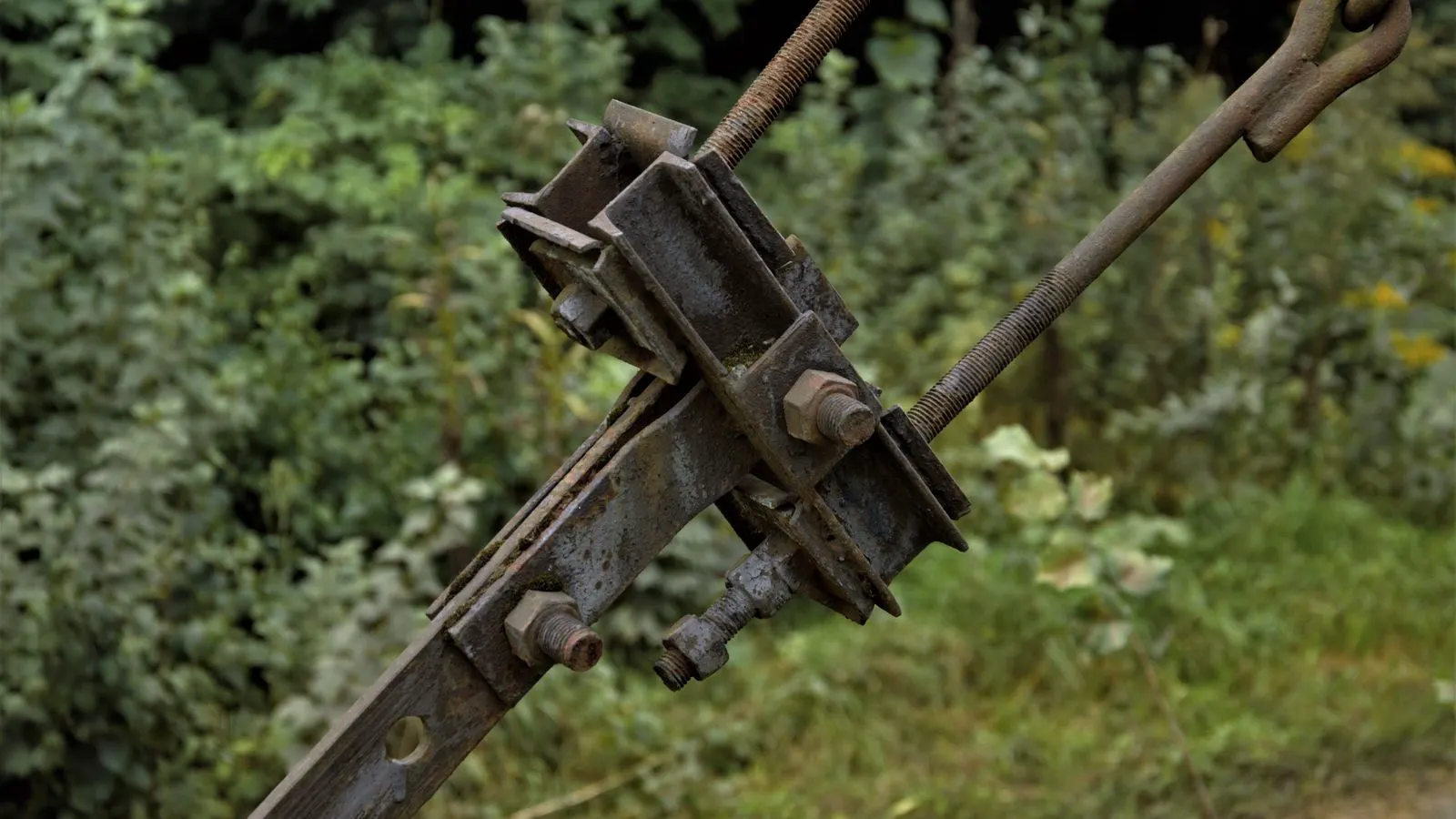
For outdoor hardware, epoxy offers strong chemical resistance and adhesion, while polyurethane provides better flexibility and UV stability. The choice depends on the specific weather exposure, handling, and chemical environment of the metal part.
- Epoxy provides excellent adhesion and chemical resistance but can become brittle and yellow under UV exposure.
- Polyurethane offers better flexibility, UV resistance, and ease of repair, but may not match epoxy in chemical resistance.
- The choice depends on the specific weather, handling, and chemical exposure of the outdoor hardware.
- Sourcing decisions should include coating type, thickness, substrate prep, and expected service life.
- A hybrid approach, with an epoxy base and polyurethane topcoat, can combine strengths of both.
How epoxy and polyurethane coatings differ for outdoor metal
Epoxy and polyurethane coatings both protect metal from corrosion, but they behave differently outside. Epoxy forms a hard, chemically resistant film that grips well to prepared metal. Polyurethane forms a tougher, more flexible film that handles UV light and temperature swings better. The choice affects how long the hardware lasts, how often it needs touch-up, and what the supplier must document.
For outdoor hardware such as brackets, fasteners, housings, and structural parts, the coating must survive rain, sun, thermal cycling, and sometimes chemicals or salts. A coating that looks good in the shop can fail quickly on a fence post or an exterior panel. The buyer needs to understand which failure mode is more likely for the part.
What drives coating durability for outdoor hardware
Several factors determine long-term performance. The substrate matters because steel, aluminum, and stainless steel prepare and corrode differently. Surface preparation is the single largest driver of coating life. A poorly prepared surface will fail regardless of the coating chemistry.
Weather exposure sets the baseline. Rain, humidity, and temperature swings cause the coating to expand and contract. UV light breaks down organic molecules in the film. If the coating cracks, water enters the pores and reaches the metal. Rust then expands and pushes the coating off. This is the main failure path for outdoor steel.
Chemical exposure changes the ranking. A part near the coast faces salt. A part in an industrial zone faces acids or solvents. A part in agriculture faces fertilizers or pesticides. Each environment stresses the coating differently. The coating must resist the specific chemical present, not just water.
Handling and impact matter too. If the hardware is dropped, bent, or struck, a brittle coating cracks. A flexible coating may absorb the blow and stay intact. This is a common source of failure for polyurethane versus epoxy comparisons in the field.
Epoxy coatings: strengths and limits
Epoxy coatings are known for adhesion. They bond strongly to steel, aluminum, and many other substrates when the surface is properly prepared. They resist many chemicals, including acids, alkalis, and solvents. This makes them suitable for parts that face harsh chemical environments.
The film is hard and dense. Water and oxygen do not pass through easily. This slows corrosion at the metal interface. For a bracket that sits in a damp area, an epoxy barrier can keep the metal dry for a long time.
The main limit is UV. Epoxy films degrade in sunlight. The surface yellows, chalks, and becomes brittle. Once the top layer breaks down, the underlying epoxy can crack and lose its barrier function. For parts in full sun, a standard epoxy topcoat often needs protection.
Epoxy is also less flexible than polyurethane. It has a higher modulus, meaning it resists bending. In a cold climate, where the metal contracts, a brittle epoxy layer can crack along welds or at fastener holes. This is a common failure mode for outdoor steel parts in temperate or continental climates.
For sourcing, specify the epoxy type, the substrate preparation, and the expected UV exposure. Ask whether a topcoat is included or required. A bare epoxy on a south-facing roof panel is not the same as an epoxy under a UV-stable topcoat.
Polyurethane coatings: strengths and limits
Polyurethane coatings are known for flexibility. The film can bend without cracking. This helps in thermal cycling and in parts that experience vibration or impact. The surface is also more resistant to UV than standard epoxy. It resists chalking and yellowing better, so it keeps its appearance longer in full sun.
Polyurethane is easier to repair. A scratch or a small dent can be touched up without a full re-coat. This is useful for hardware that gets handled or bumped in the field. The coating can also be applied over a slightly less perfect surface than epoxy, though surface prep still matters.
The main limit is chemical resistance. Polyurethane does not resist all chemicals. Solvents, oils, and some acids can attack the film. For a part that sits in a chemical plant or near a fuel line, polyurethane may not be the right choice. The buyer must check the chemical list for the specific solvent or acid.
Polyurethane is also less dense than epoxy. Water and oxygen can pass through the film more easily. If the coating is too thin, or if the substrate is poorly prepared, the barrier function is weaker. For high-humidity or salt-exposed areas, thickness and prep become more important.
For sourcing, specify the polyurethane type, the UV exposure, and the chemical environment. Ask about the minimum film thickness and the substrate prep standard. A thin polyurethane coat on a wet or oily surface will fail faster than a thick coat on a clean, dry surface.
Coating durability comparison for outdoor hardware
The table below shows how the two coatings compare across the factors that matter most for outdoor metal parts. This is a general comparison. Specific products vary, and the final choice depends on the part.
| Factor | Epoxy Coating | Polyurethane Coating |
|---|---|---|
| Adhesion to metal | High with proper prep | High with proper prep |
| UV resistance | Low to moderate | Moderate to high |
| Chemical resistance | High | Moderate |
| Flexibility | Low to moderate | High |
| Ease of repair | Low | Moderate |
| Typical failure mode | Chalking, cracking | Softening, chemical attack |
| Best for | Chemical exposure, wet areas | Sun exposure, impact, handling |
The table makes the trade-off clear. If the part faces chemicals or water, epoxy is often the stronger barrier. If the part faces sun, temperature swings, or physical impact, polyurethane is often the better choice. Many outdoor parts face all of these, which is why a hybrid system is common.
A worked example: a steel fence bracket
Consider a steel fence bracket that holds a gate. It is exposed to rain, sun, and occasional handling. The bracket has a painted steel substrate. The buyer needs a coating that lasts five years without repainting.
If the bracket sits in a shaded area, an epoxy coating may be sufficient. It will resist the rain and the mild handling. The buyer should ask for a minimum film thickness and a surface prep step, such as abrasive blasting or solvent cleaning. The epoxy will form a hard barrier and keep the steel dry.
If the bracket sits in full sun, the epoxy will yellow and chalk. The surface may look worn after two or three years. The metal may still be protected, but the appearance is poor. For full sun, a polyurethane topcoat over the epoxy is a common solution. The epoxy provides the chemical barrier. The polyurethane protects the surface from UV and adds flexibility.
The buyer should specify the hybrid system in the drawing. The drawing should show the substrate prep, the epoxy base coat, the polyurethane top coat, and the total film thickness. The supplier should confirm that the polyurethane is compatible with the epoxy. Some polyurethane systems require a specific epoxy base for adhesion.
How coating choice affects sourcing decisions
The choice of coating changes the supplier requirements. It changes the surface prep spec, the inspection method, and the warranty terms. A buyer who specifies only “paint” does not control the long-term performance. A buyer who specifies the coating chemistry, thickness, and prep standard controls the outcome.
For outdoor hardware, the drawing should name the coating type. It should state the minimum dry film thickness. It should state the surface prep method. It should state the environmental exposure. This gives the supplier a clear target and gives the buyer a basis for rejection if the part does not meet the spec.
The warranty should match the exposure. A coating that is specified for indoor use may not carry the same warranty for outdoor use. The buyer should ask for a written warranty that covers the specific weather and chemical environment. If the warranty does not cover the exposure, the risk is on the buyer.
The supplier should also provide a material test report. The report should show the coating adhesion, thickness, and chemical resistance. For outdoor parts, a salt spray test is a common check. The buyer should ask for the test results and the test standard.
Practical checks before ordering
Before ordering outdoor hardware, run a short checklist. First, identify the exposure. Is the part in full sun, in shade, near salt, or near chemicals? Second, identify the substrate. Is it steel, aluminum, or stainless steel? Third, identify the handling. Will the part be dropped, bent, or struck? Fourth, identify the life target. How many years should the coating last before touch-up?
With those answers, the coating choice becomes easier. For chemical exposure, lean toward epoxy. For sun and impact, lean toward polyurethane. For both, use a hybrid system. Document the choice in the drawing and the purchase order.
The final step is to inspect the part. Check the surface prep. Check the film thickness. Check for defects such as runs, pinholes, or poor adhesion. A small defect at the fastener hole can become a corrosion path. Catch it before the part leaves the shop.
Frequently asked questions
Can epoxy and polyurethane be used together?
Yes. A common system is an epoxy base coat for chemical and moisture barrier, with a polyurethane top coat for UV resistance and flexibility. This hybrid approach is widely used for outdoor metal parts.
How do I know if my supplier is using the right coating?
Check the drawing and the purchase order. The spec should name the coating type, thickness, and surface prep. Ask for a material test report that shows adhesion and chemical resistance results.
What is the most common failure for outdoor epoxy?
UV degradation. The coating yellows, chalks, and becomes brittle. The surface may crack, allowing water and oxygen to reach the metal.
What is the most common failure for outdoor polyurethane?
Chemical attack. Solvents, oils, or acids can soften or break down the film. The coating may lose its barrier function and allow corrosion.
How does surface prep affect coating life?
Surface prep is the largest driver of coating life. A clean, dry, and properly roughened surface allows the coating to bond and form a tight barrier. A poorly prepared surface will fail regardless of the coating chemistry.