Fixing Blistering on Zinc Plated Hardware After Storage
Zinc plating blistering often appears after storage due to trapped moisture or aggressive packaging. This guide identifies common causes and provides practical fixes. It covers inspection, cleaning, and storage controls to protect plated fastener inventory.
- Blistering on zinc plated parts usually starts with trapped moisture or salt contamination.
- Inspect parts under magnification to distinguish true blistering from white rust or plating lift.
- Correct storage conditions require dry, breathable packaging away from direct heat sources.
- Re-treatment of plated parts requires careful cleaning to avoid damaging the zinc layer.
- Documenting storage conditions helps trace defects back to the source.
Blistering on zinc plated hardware often appears after long storage periods. The defect shows as small, raised bubbles under the plating surface. These bubbles can pop, leaving pitted areas that compromise corrosion resistance.
Engineers and buyers must identify the root cause before shipping the parts. Mistaking blistering for simple surface white rust leads to incorrect corrective actions. This guide walks through the symptoms, likely causes, and fixes for zinc plating blistering. It also covers storage practices that prevent the problem from recurring.
What Does Blistering Actually Look Like
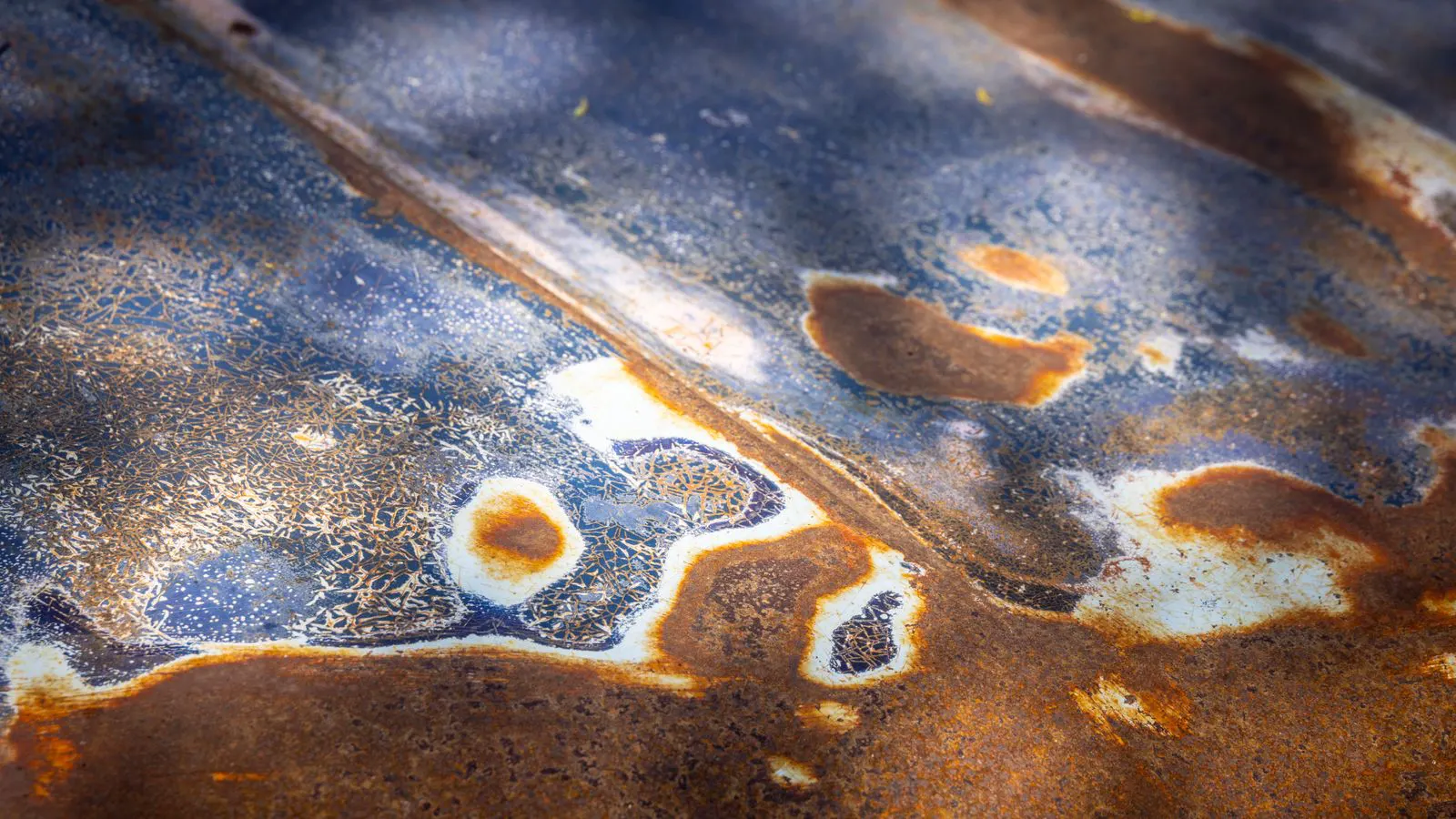
Blistering on zinc plated parts differs from other common finish defects. True blistering involves the plating lifting away from the base metal. The surface shows small, dome-like bubbles. The bubbles may be clear, white, or slightly colored depending on the base metal and plating thickness.
Under magnification, the edges of the blister often curl upward. The metal underneath may appear darker or exposed. In severe cases, the blister ruptures, leaving a crater with a raised rim.
White rust, a related issue, appears as a white, chalky powder on the surface. It does not form bubbles. White rust sits on top of the finish. Blistering involves the finish itself.
Another common defect is plating lift. This occurs when the zinc layer peels off in larger sheets. Blistering is localized. Lift is widespread.
Inspecting parts under a 10x or 20x loupe helps distinguish these conditions. A flashlight angled across the surface reveals the three-dimensional nature of blisters. Flat white rust does not cast the same shadow.
Common Causes of Zinc Plating Blistering
Zinc plating blistering rarely happens for no reason. The plating process creates a thin, protective layer. That layer traps whatever is on the base metal before plating. If moisture, salts, or oils remain, they cause the finish to fail later.
The most frequent cause is trapped moisture. Parts that were rinsed with tap water or deionized water that was not properly dried before storage hold moisture. That moisture migrates to the plating interface. It creates tiny gas pockets. The gas expands, pushing the zinc layer away from the steel.
Salt contamination is another major driver. Parts that contact seawater, salt water, or high-humidity environments absorb chloride ions. Chlorides are aggressive. They accelerate corrosion at the plating base metal interface. The resulting corrosion gases expand and blister the finish.
Improper storage conditions accelerate the problem. Storing plated parts in direct sunlight or near heat sources raises the temperature. Heat increases the rate of chemical reactions. It also causes condensation when the parts cool down at night.
Packaging materials can contribute to the issue. Plastic bags trap moisture. If parts are packed in sealed polyethylene bags without desiccant, humidity builds up. Condensation forms inside the bag. The parts sit in a wet environment for weeks or months.
Inadequate drying after plating is a common process failure. Plating tanks often have rinse water with slight alkalinity or salt content. If the rinse water is not changed frequently, salts build up. Parts leave the tank carrying those salts. Without a proper dry-off or passivation step, the salts remain.
Inspecting for Zinc Plating Defects
Before deciding on a fix, you need a clear diagnosis. A visual check is a good start. Hold the part up to a bright light. Look for any change in reflectivity. Blistered areas often look matte or cloudy compared to the shiny surrounding finish.
Use a magnifying glass or a digital microscope. Examine the suspect areas. Count the number of blisters. Note their size and spacing. Random, small blisters often point to moisture. Large, irregular blisters may indicate a plating process issue.
Check the base metal. Look for rust spots on the steel itself. If the steel is rusting, the plating failed to protect it. This is more serious than surface blistering. It means the finish has already been breached.
Test for conductivity. A multimeter can check for open circuits if the plating has lifted significantly. This is more relevant for electrical components than for structural fasteners.
Document the findings. Take photographs. Note the part number, the date of receipt, and the storage history. This record helps trace the problem back to the plating vendor or the storage facility.
Corrective Actions for Blistered Parts
Fixing existing blistering is difficult. The plating layer is compromised. You cannot simply paint over a blistered area and expect long-term corrosion protection. The underlying metal is already at risk.
For small, isolated blisters, a local repair may be possible. Clean the area with a fine abrasive or a solvent wipe. Remove the blistered zinc. Expose the clean base metal. Apply a thin layer of a compatible coating. This is a temporary measure. It is not a standard plating fix.
For widespread blistering, the parts usually need rework. The process involves stripping the damaged plating. This can be done through chemical stripping or mechanical abrasion. Chemical stripping is more controlled but requires careful handling. Mechanical abrasion, like blasting or sanding, is faster but removes more material.
After stripping, the parts must be cleaned again. Remove all oils, salts, and old plating residues. Passivate the steel if appropriate for the application. Then replating is necessary.
Replating requires a new plating bath. The bath chemistry must be verified. If the original plating failed due to process errors, the same errors will likely recur. Work with the plating vendor to review their process. Check rinse water quality, drying procedures, and plating time.
For critical parts, consider a different finish. If the environment is harsh, a thicker plating or a different metal may be better. Nickel underplating can add a barrier layer. Hard chrome can provide a tougher surface.
Prevention Through Storage and Handling
Prevention is far easier and cheaper than correction. The goal is to keep moisture and salts away from the plated surface.
Store parts in a dry environment. Maintain humidity levels below 60 percent relative humidity. Use dehumidifiers in the storage area. Monitor humidity with a hygrometer. Record the readings daily.
Use breathable packaging. Avoid sealed plastic bags. If you must use plastic for protection from dust, use a breathable fabric bag or a vented container. Place silica gel packets inside the packaging. Replace the desiccant regularly.
Avoid direct heat. Do not store parts on top of heaters or near direct sunlight. Keep the storage area cool and stable. Temperature fluctuations cause condensation. Condensation is the enemy of plated hardware.
Handle parts with clean hands. Oils from skin contain moisture and salts. They can attack the plating over time. Use nitrile gloves when handling zinc plated parts.
Rotate inventory. Use the oldest stock first. Do not let parts sit for years without inspection. Check parts that have been in storage for more than six months. Look for early signs of blistering or white rust.
Verifying Storage Conditions and Compliance
Buyers should ask questions about storage before shipment. Request a storage log from the vendor. Ask about humidity levels, temperature, and packaging materials.
Check the certificate of conformance. It should list the plating process, thickness, and any post-treatment steps. It should not necessarily list storage conditions, but it is a good starting point.
If the parts are for a specific industry, check the relevant standards. Many industries have specific requirements for fastener storage and corrosion protection. Refer to the standard for your specific application.
Do a salt spray test on a sample batch. This test simulates a corrosive environment. It can reveal weak points in the plating before they become a problem in the field. A short test duration may be enough to identify early failures.
Keep a sample of the original plating bath solution if possible. This can help the plating vendor diagnose process issues. It is a rare but useful tool for troubleshooting.
When to Reorder
If blistering is widespread or the parts are critical, reorder is the best option. Do not try to save a batch that has already failed.
Work with the plating vendor to identify the root cause. Share your storage data and inspection results. Ask for a process review. Request a corrected batch with improved drying and packaging.
Update your purchasing specifications. Include storage and handling requirements in the purchase order. Specify humidity limits and packaging materials. Make it clear that storage conditions are part of the quality agreement.
Train your receiving staff. Teach them to inspect parts upon arrival. Document any defects immediately. Do not accept parts with visible blistering without a formal review.
Summary of Key Actions
- Inspect parts under magnification to identify true blistering.
- Check for moisture, salts, and packaging issues as root causes.
- Strip and replate severely affected parts.
- Store parts in dry, cool, breathable packaging.
- Require storage documentation from vendors.
- Perform salt spray testing on samples.
- Reorder if damage is widespread or critical.
Frequently asked questions
Can I remove blistering with a solvent wipe?
No. Solvents remove surface contaminants but do not repair lifted plating. The zinc layer must be stripped and replated for a permanent fix.
Does white rust mean the plating is blistering?
No. White rust is surface corrosion. Blistering is the plating lifting from the metal. They are related but distinct defects.
How long can I store zinc plated parts safely?
There is no single answer. It depends on the environment. Keep humidity below 60 percent and use breathable packaging.
Is blistering covered by warranty?
Usually, yes, if it occurs within the warranty period. Check your contract. Document the defect with photographs and storage logs.
Can I prevent blistering by adding a clear coat?
A clear coat can help, but it is not a substitute for proper plating and storage. It adds a barrier but does not fix underlying moisture problems.